

Motor Insurance
Commercial Bike Insurance UAE: Ramadan 2026 Delivery Risks
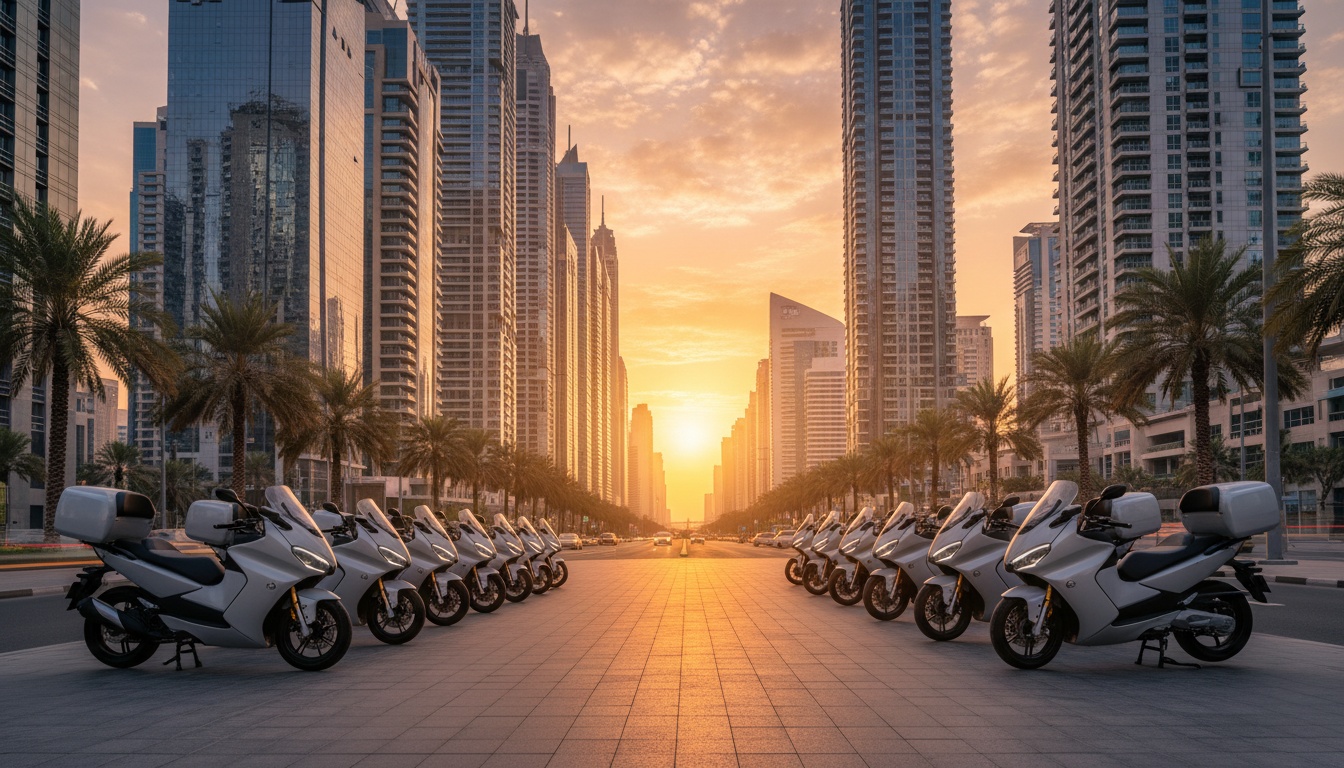
Ramadan 2026 brings a sharp rise in food delivery demand across the UAE — and with it, a surge in commercial motorcycle accidents. If you operate a delivery fleet or ride for an aggregator, understanding your commercial bike insurance obligations isn't optional. This guide breaks down the specific risks, liability gaps, and compliance steps every fleet operator needs before the Iftar rush begins.
Understanding Commercial Bike Insurance: Why Standard Cover Is Not Enough
Many delivery riders and even some fleet operators assume that a standard motorcycle insurance policy covers them during work hours. It does not. In the UAE, motor insurance policies are structured around declared vehicle use. If a bike is insured under "private" or "personal" use, any accident occurring during a commercial delivery is grounds for full claim rejection.
Commercial bike insurance must explicitly state "Delivery" or "Courier" use in the policy schedule. This is not a minor technicality — it is the single most common reason delivery rider claims are denied in the UAE.
Fleet operators should also note that insurers may apply a higher deductible (excess) for commercial riders under the age of 25. This directly affects your cost-per-claim during high-volume periods like Ramadan. Before the holy month begins, verify every bike in your fleet has the correct commercial classification.
If you're managing renewal for a delivery fleet, the No-Claims Discount UAE 2026 guide explains how claims history affects your next cycle's premiums — a critical read ahead of peak season.
The 2026 Ramadan Risk Profile: Analyzing Peak Accident Windows and Fatigue Factors
Road safety data consistently identifies the 2 PM to 4 PM window as the highest-risk period for delivery riders during Ramadan. At this point, fasting riders experience low blood sugar, reduced reaction time, and decision fatigue — all while navigating peak pre-Iftar traffic.
The 2026 Ramadan calendar falls during a period of elevated seasonal shopping and dining activity, amplifying road congestion compared to previous years. Third-Party at Fault claims represent nearly 65% of reported accidents during the holy month, meaning your riders are frequently victims — but without proper commercial cover, your fleet still bears the financial burden.
The RTA's Delivery Rider Manual outlines mandatory safety protocols for commercial motorcyclists. Critically, insurers can reject claims if riders are found to have violated these guidelines at the time of an incident. Non-compliance with RTA regulations is treated as contributory negligence in UAE claims assessments.
Fatigue-related incidents also spike in the final hour before Iftar (around 6:30–7:00 PM). Fleet managers should consider adjusted shift structures during this window, as some insurers factor rider hours into commercial policy risk ratings. For context on how traffic violations feed into your premium, see this breakdown of 2025 traffic fines and their impact on 2026 UAE insurance renewal.
Comprehensive vs. Third-Party Liability for Delivery Fleets: A Performance Comparison
Choosing between comprehensive and third-party liability cover for your delivery fleet is not simply a cost decision — it is a risk management decision that determines your operational continuity after an accident.
| Feature | Private Motorcycle Cover | Commercial Delivery Cover |
|---|---|---|
| Business Use / Delivery | Excluded (Claim Rejection Risk) | Fully Covered (Aggregator Friendly) |
| Passenger Liability | Usually Included | Often Excluded for Delivery Bikes |
| Premium Structure | Fixed Annual Rate | Variable Based on Fleet Size and Claims History |
| Loss of Use Cover | Rarely Available | Available on Select Commercial Plans |
| Excess for Under-25 Riders | Standard | Higher Deductible Applied |
"Loss of use" coverage — which compensates fleet operators for revenue lost while a damaged bike is off the road — is only available through commercial policies. During Ramadan, when every available bike generates peak revenue, this cover can be the difference between absorbing a setback and absorbing a loss.
Third-party liability alone leaves your fleet exposed to own-vehicle repair costs and the lost income from an idle bike. For high-volume Ramadan operations, comprehensive commercial cover is the operationally sound choice.
Fleet operators comparing their options can explore motor insurance plans on eSanad to find aggregator-friendly commercial cover with the correct use classifications already built in.

Compare & Choose on eSanad
Essential Checklist: Mitigating Delivery Risks and Lowering Renewal Premiums
Reducing accidents during Ramadan directly lowers your claims frequency — which directly lowers your renewal premium. Here is a practical pre-Ramadan checklist for fleet operators:
- Verify policy use classification — Confirm every bike is insured for "Delivery" or "Courier" use before Ramadan begins.
- Audit rider age profiles — Identify riders under 25 and ensure their higher excess is budgeted for.
- Distribute RTA Delivery Rider Manual guidelines — Non-compliance voids claims. Document all briefings.
- Review shift schedules — Reduce solo rider exposure during the 2 PM–4 PM and pre-Iftar windows.
- Confirm loss-of-use coverage — Ensure your commercial policy compensates for idle bikes during peak season.
- Request a mid-year claims review — Ask your insurer for a claims performance report before renewal discussions begin.
For additional renewal strategy, the RTA No-Claims Certificate Verification Guide 2026 walks through the documentation you'll need to support lower premium negotiations.
Get a Free Quote Now
Conclusion
Bottom line: Commercial bike insurance in the UAE is not interchangeable with private motorcycle cover — especially during Ramadan 2026, when delivery volumes, fatigue risks, and third-party liability exposures all peak simultaneously. Fleet operators who verify correct policy classifications, adjust rider schedules around the 2 PM–4 PM danger window, and secure loss-of-use cover will be far better positioned to manage costs and claims. Compare and secure the right commercial motor cover at eSanad before the rush begins.
Short Summary: Commercial bike insurance risks surge during Ramadan 2026 — here's what UAE fleet operators and delivery riders must know to stay covered.
Meta Description: Commercial bike insurance UAE: understand Ramadan 2026 delivery risks, peak accident windows, and fleet liability before the Iftar rush hits.
Slug: commercial-bike-insurance-uae-ramadan-2026-delivery-risks
FAQ
Does standard motorcycle insurance cover food delivery during Ramadan?
No. Standard private motorcycle policies explicitly exclude commercial and delivery use. Any claim arising from a delivery activity under a personal-use policy will be rejected by UAE insurers. You must hold a policy that declares "Delivery" or "Courier" use.
How does a high claim rate during Ramadan affect my fleet insurance renewal?
A high claims frequency during Ramadan directly increases your risk rating at renewal. Insurers may raise premiums, apply higher excess levels, or restrict coverage terms. Maintaining low incident rates — and documenting safety protocols — is the most effective way to negotiate competitive renewal rates.
What are the RTA regulations for delivery bike riders during fasting hours?
The RTA's Delivery Rider Manual sets mandatory safety standards for commercial motorcyclists, including helmet requirements, load limits, and prohibited riding behaviors. Non-compliance with these guidelines at the time of an accident can be used to challenge or void an insurance claim. Visit rta.ae for the full guidelines.
Is "Loss of Use" coverage available for commercial delivery bikes in the UAE?
Yes, but only through commercial motorcycle insurance policies — not standard private cover. Loss of use compensates fleet operators for lost revenue while a damaged bike is undergoing repairs, making it particularly valuable during high-demand periods like Ramadan.
Are delivery riders covered for accidents occurring during Iftar rush hours?
Coverage depends entirely on the policy type. Riders holding valid commercial delivery insurance are covered at all hours, including the pre-Iftar rush. Riders on private-use policies are not covered for any accident occurring while they are performing a delivery, regardless of the time.
Editorial note: This article is for general information and does not constitute insurance advice. Always confirm terms with your insurer.