

Insurance
Digital Health Insurance UAE 2026: Emirates ID Verification
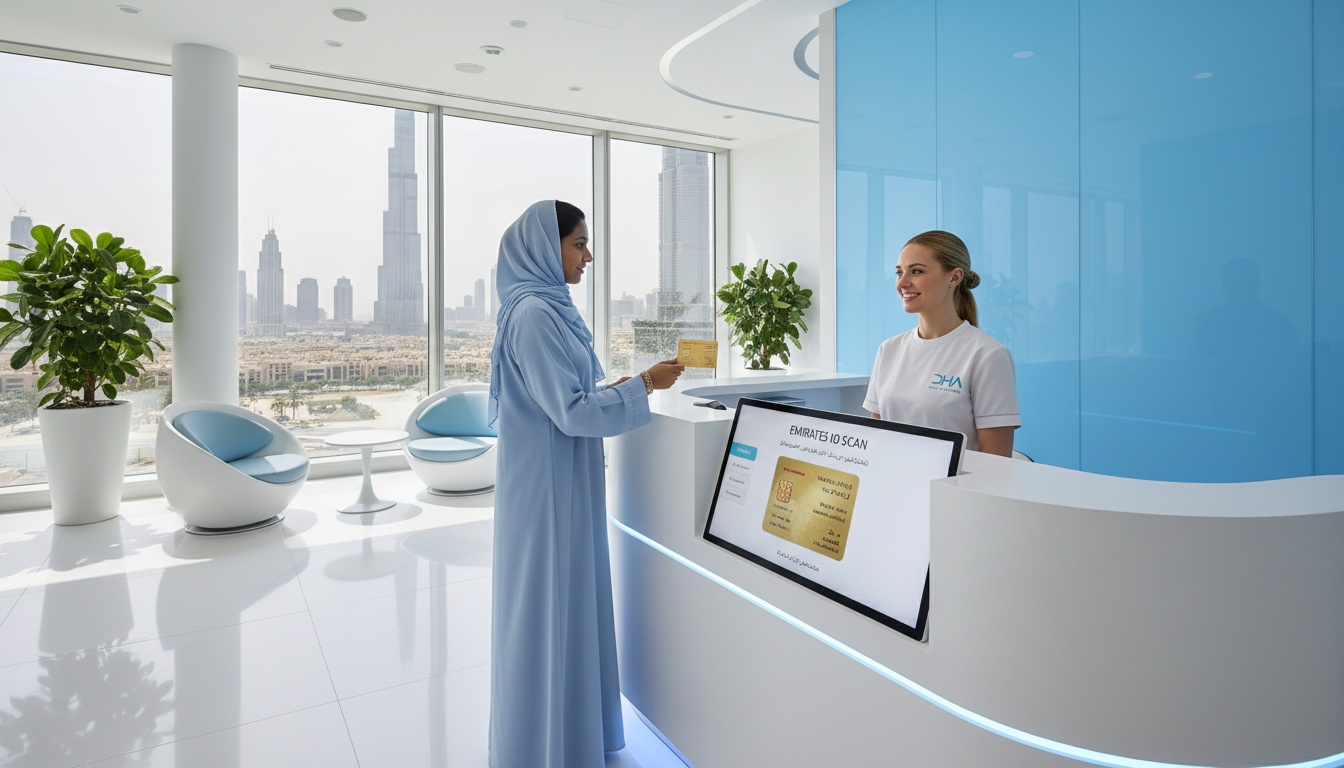
Going cashless was just the beginning — now UAE residents are going cardless for health insurance too. In 2026, physical insurance cards are officially out, and Emirates ID-linked digital verification is in. Whether you're managing health insurance for your family or coordinating employee benefits, this guide walks you through exactly what changes, and how to navigate it confidently.
Understanding the 2026 Digital Shift: Why the UAE Is Retiring Physical Insurance Cards
The UAE's move toward fully digital insurance verification isn't sudden — it's the culmination of years of infrastructure investment by the Dubai Health Authority (DHA) and the Department of Health Abu Dhabi (DOH). In 2026, the mandate is clear: physical health insurance cards are no longer the primary verification tool.
At the heart of this shift is the Emirates ID, now biometrically linked to every active insurance policy in the country. The Unified Digital Health Licensing platform — which covers over 200,000 healthcare professionals — now enables real-time policy verification at the point of care. Residency visa renewals, medical screenings, and insurance renewals are all integrated into a single digital record.
For Golden Visa holders, this is especially relevant. If you've been reviewing Golden Visa health insurance requirements for 2026, you'll know that compliance gaps can trigger visa complications. Digital integration makes those gaps instantly visible — to both the insurer and the authority.
Navigating the New Ecosystem: How to Access Healthcare Using Emirates ID and Digital Wallets
Walking into a clinic in 2026 looks different. Instead of handing over a plastic card, you present your Emirates ID — physical or digital via the UAE Pass app — and the clinic's system pulls your active policy, network tier, co-payment rules, and benefit limits in real time.
Here's how it works in practice:
- Dubai (Nabidh platform): Clinics access your unified health record and insurance details via the DHA-mandated Nabidh system. All licensed facilities are connected.
- Abu Dhabi (Malaffi platform): DOH-regulated providers use Malaffi for the same function. Your Emirates ID is scanned, and your DOH-registered policy appears instantly.
- Other Emirates: MOHAP (Ministry of Health and Prevention) oversees verification in Sharjah, RAK, and beyond, using the national unified health record framework.
For dependents — children, sponsored parents, or domestic workers — their Emirates ID or residency visa number links directly to the primary policyholder's plan. This eliminates the old problem of forgotten family member cards.
If you've recently switched jobs and are worried about coverage continuity, the Continuity of Care Certificate process in 2026 is also now handled digitally through your insurer's portal.
Digital vs. Traditional: A Breakdown of the 2026 Insurance Verification Landscape
| Feature | Traditional System (Pre-2026) | Digital-Only Framework (2026) |
|---|---|---|
| Primary Verification | Physical Insurance Card | Emirates ID / Biometric Link |
| Dependent Access | Separate physical cards | Linked via residency/visa number |
| Network Confirmation | Manual check or call insurer | Real-time via Nabidh / Malaffi |
| Claim Initiation | Paper forms at clinic | Digital via insurer app or portal |
| Dispute Resolution | Phone/email with insurer | Digital dispute portal (2026 framework) |
| Visa/Renewal Integration | Separate manual submission | Auto-linked to digital insurance record |
| Out-of-Pocket Cap Visibility | Policy document only | Live display at point of care |
The 2026 Patient Rights framework also introduced updated out-of-pocket caps and a digital dispute resolution pathway — meaning if a claim is wrongly rejected, you can escalate online rather than wait weeks for a written response. For context on why claims get rejected in the first place, see our guide on health insurance claim rejections in the UAE.
Insurers operating in the UAE must now also comply with enhanced 2026 cybersecurity protocols mandated by the UAE Central Bank, ensuring your biometric and policy data is protected end-to-end.
Compare & Choose on eSanad
Essential Checklist: Preparing Your Family or Employees for a Paperless Insurance Experience
Whether you're an individual, a parent sponsoring dependents, or an HR manager covering a workforce, here's your practical action plan:
For Individuals:
- ✅ Confirm your Emirates ID is linked to your active policy (check via your insurer's app or UAE Pass)
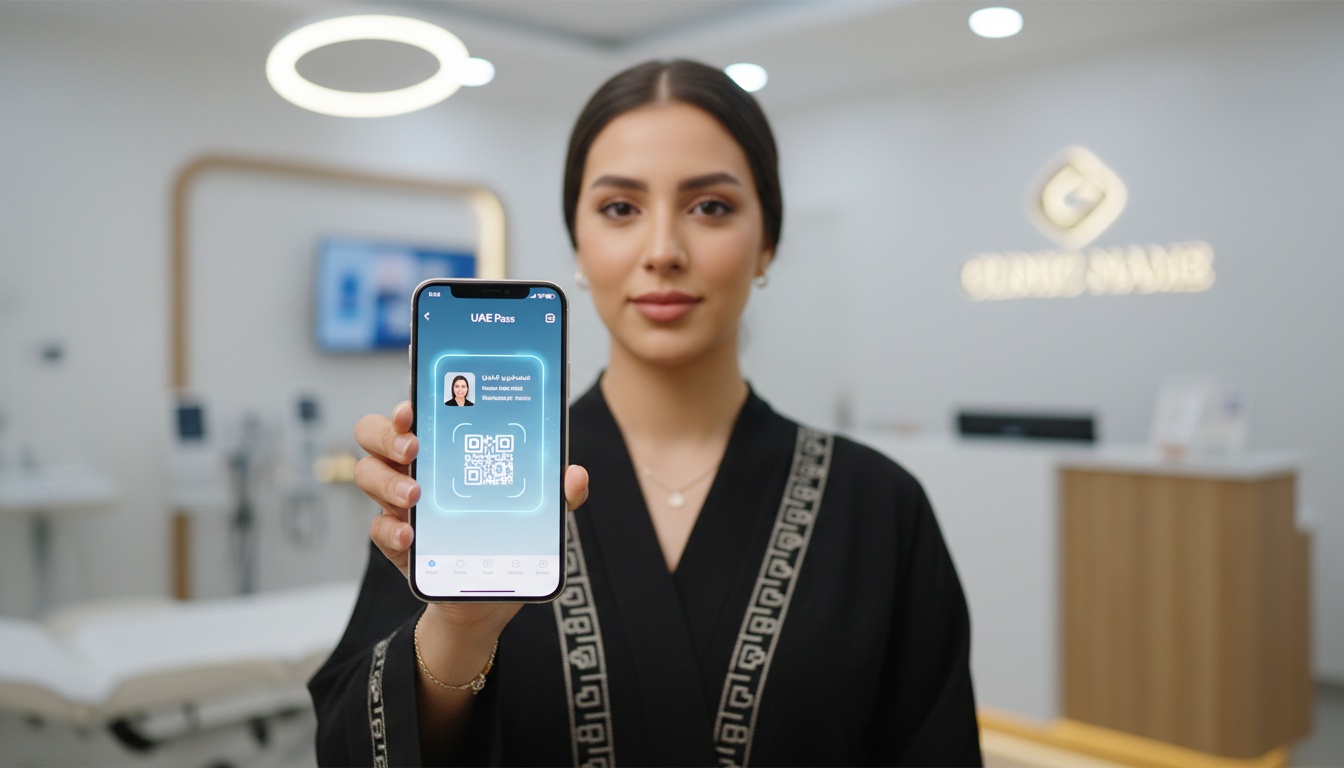
- ✅ Download the UAE Pass app and activate your digital ID
- ✅ Save your insurer's 24/7 helpline — critical if a clinic cannot locate your record
- ✅ Know which platform governs your emirate: Nabidh (Dubai) or Malaffi (Abu Dhabi)
For Families and Sponsored Dependents:
- ✅ Verify each dependent's residency number is linked to the family policy
- ✅ For senior parents, ensure chronic medication coverage details are accessible digitally — review co-pay rules for sponsored parents in 2026
- ✅ Keep a screenshot of each member's digital policy summary as a backup
For Employers / HR Teams:
- ✅ Update your group policy administrator to confirm all staff Emirates IDs are mapped
- ✅ Brief employees on how to use UAE Pass at healthcare facilities
- ✅ Establish a clear internal process for new joiners to activate digital coverage from Day 1
Get a Free Quote Now
Conclusion
Bottom line: The 2026 digital insurance shift in the UAE replaces physical health cards with Emirates ID-linked verification across the Nabidh and Malaffi platforms — making real-time coverage access faster and more reliable for residents, expatriates, and families. Preparing now means fewer disruptions at the clinic door.
Explore and manage your health insurance options on eSanad to ensure your policy is fully compliant with the 2026 digital framework.
Short Summary: The UAE's 2026 digital insurance mandate replaces physical cards with Emirates ID-linked verification — here's how to navigate it.
Meta Description: Digital health insurance UAE 2026 is here. Learn how Emirates ID replaces physical cards via Nabidh and Malaffi systems. Get your policy ready today.
Slug: digital-health-insurance-uae-2026-emirates-id-verification
FAQ
Do I still need to carry a physical health insurance card in 2026?
No. Physical cards are no longer the primary verification method in the UAE. Your Emirates ID — physical or via UAE Pass — now links directly to your active policy and is accepted at all licensed healthcare facilities.
How do I access my insurance details if my phone battery dies?
Your physical Emirates ID card alone is sufficient for clinic verification, as the Nabidh and Malaffi systems pull your policy data from the national database. You do not need your phone to be active.
Will my Emirates ID automatically link to my new insurance policy?
Your insurer is required to register your policy against your Emirates ID number when the policy is issued. However, it's worth confirming this with your provider — especially after a job change or plan renewal.
Is the digital insurance system the same for Dubai and Abu Dhabi?
No. Dubai operates under the DHA's Nabidh platform, while Abu Dhabi uses the DOH's Malaffi system. Both use Emirates ID as the verification key, but they are separate databases. Cross-emirate interoperability is still developing in 2026.
What should I do if a clinic says they cannot find my digital record?
Ask the clinic to call your insurer's provider relations line. Under the 2026 Patient Rights framework, providers must attempt full digital verification before denying coverage. You can also escalate via your insurer's digital dispute portal.
Editorial note: This article is for general information and does not constitute insurance advice. Always confirm terms with your insurer.