

Travel Insurance
DIY Umrah 2026: Avoid Travel Insurance Gaps and Pitfalls

Planning a self-booked Umrah through apps like Nusuk or Maqam in 2026? Thousands of UAE residents are embracing the flexibility of DIY pilgrimages — but most don't realise the dangerous insurance gaps hiding behind that convenience. In this guide, you'll learn exactly what the mandatory Saudi visa insurance misses, and how to secure proper travel insurance before you travel.
Understanding the DIY Umrah Ecosystem: Apps, Visas, and Mandatory Insurance in 2026
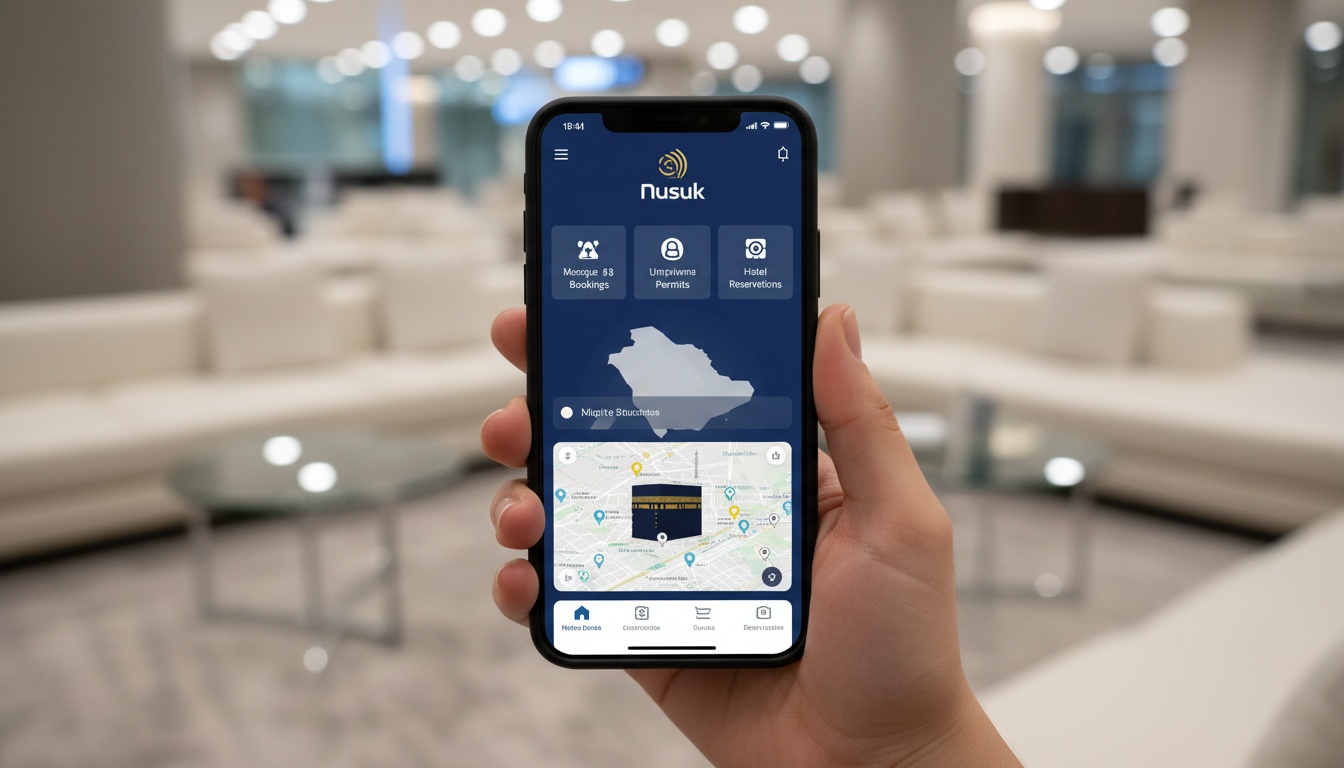
The Saudi Ministry of Hajj and Umrah has made independent Umrah planning increasingly accessible. Platforms like Nusuk (the official portal at haj.gov.sa) allow pilgrims to obtain permits, book accommodation, and manage travel logistics without an agency. UAE residents — both nationals and expats — are booking in record numbers for the 2026 season.
When you apply for an Umrah visa through these channels, a small mandatory insurance fee is automatically included in the application cost. This is overseen by the Saudi Central Bank (SAMA) and is designed to provide baseline emergency medical cover within the Kingdom of Saudi Arabia.
However, many pilgrims assume this insurance is comprehensive. It is not. The mandatory coverage is limited to emergency medical treatment inside KSA's borders — and it covers nothing else.
For UAE residents with pre-existing conditions, it's equally important to understand how health declarations work abroad — a topic explored in detail in our guide on Golden Visa Travel 2026: Health Insurance Rules Abroad.
Top Insurance Pitfalls of Self-Booked Umrah via Mobile Apps
DIY Umrah bookings introduce a specific set of risks that traditional agency packages quietly absorb. Here are the most common pitfalls UAE residents face:
1. No Trip Cancellation Cover Nusuk and similar apps do not include trip cancellation protection. If you fall ill before departure, lose your job, or face a family emergency, you cannot recover your flight or hotel costs without a separate travel insurance policy.
2. Zero Baggage Protection Lost, stolen, or delayed luggage is not covered under the mandatory visa insurance. Given the crowds during peak Umrah season, baggage risks are significant. Our article on Travel Insurance Cash vs Card Theft: UAE Refunds 2026 highlights how easy it is to lose valuables in transit.
3. Fraudulent or "Ghost" Bookings Third-party DIY apps that are not officially verified by the Saudi Ministry of Hajj and Umrah may list non-existent hotels. Standard travel insurance won't cover losses caused by fraudulent platforms. Our guide on Fake Accommodation Scams 2026: UAE Travel Insurance Cover explains what policies actually protect you.
4. No Emergency Medical Evacuation The mandatory Saudi insurance does not cover medical evacuation back to Dubai or Abu Dhabi. If you experience a serious cardiac event or accident in Makkah, repatriation to a UAE hospital must be arranged — and funded — independently.
5. Religious Pilgrimage Exclusions Some UAE-issued travel policies contain exclusions for religious pilgrimages. Always declare "Umrah" as your purpose of travel when purchasing cover to ensure your policy isn't voided.
Comparing Mandatory Saudi Visa Insurance vs. Comprehensive UAE Travel Insurance
Understanding the gap is clearest when you see it side by side.
| Feature / Benefit | Mandatory Visa Insurance | Comprehensive UAE Policy |
|---|---|---|
| Medical Emergency Limit | Basic (limited to KSA) | Up to AED 500,000+ globally |
| Emergency Medical Evacuation | Not included | Included (back to UAE) |
| Trip Cancellation / Interruption | Not covered | Covered |
| Flight Delay Compensation | Not covered | Covered (usually 6+ hour delays) |
| Lost / Stolen Baggage | Not covered | Covered (up to policy limit) |
| Pre-Existing Conditions | Generally excluded | Covered if declared at purchase |
| 24/7 Assistance Helpline | Limited | Full international assistance |
The difference is stark. The mandatory fee — often equivalent to around SAR 100 — provides a safety net, not a safety blanket. UAE residents travelling on a self-booked Umrah need a comprehensive travel insurance policy that fills every column in that table.
Also worth reading: our detailed comparison of Hajj 2026 Travel Insurance vs Nusuk Permit Coverage UAE for pilgrims planning both journeys.
Compare & Choose on eSanad
Essential Checklist: Securing Your DIY Umrah Against Medical and Travel Risks
Before you finalize your Nusuk booking, run through this checklist:
- ✅ Purchase a separate UAE travel insurance policy that explicitly covers Umrah travel (check for pilgrimage exclusions)
- ✅ Declare pre-existing medical conditions at the time of purchase — omitting them can void all claims
- ✅ Verify your booking app is officially recognized by the Saudi Ministry of Hajj and Umrah (haj.gov.sa)
- ✅ Complete the 2026 digital health declaration on Nusuk before departure
- ✅ Confirm medical evacuation cover is included in your UAE policy, specifically for repatriation to a UAE hospital
- ✅ Check baggage and cash theft limits — standard policies may cap lost cash at AED 500
- ✅ Save your insurer's emergency hotline to your phone before boarding
- ✅ Keep all receipts and documentation for any purchases or medical visits in KSA
Get a Free Quote Now
Conclusion
Bottom line: The mandatory insurance bundled with your Saudi Umrah visa covers basic emergencies inside KSA — nothing more. DIY app-based bookings through Nusuk or Maqam are convenient, but they leave critical gaps in trip cancellation, baggage protection, and medical evacuation cover. UAE residents planning a self-booked Umrah in 2026 must secure a separate comprehensive travel insurance policy before departure. Compare your options and buy with confidence at eSanad's travel insurance page.
Short Summary: Learn why the mandatory Saudi visa insurance falls short for UAE residents on DIY Umrah trips and how to close the coverage gap in 2026.
Meta Description: Planning a DIY Umrah via Nusuk in 2026? Discover the travel insurance gaps UAE residents must close before departure. Get covered today.
Slug: diy-umrah-2026-travel-insurance-pitfalls-uae
Explore eSanad →
FAQ
Is the insurance included with my Umrah visa enough for medical emergencies?
No. The mandatory Saudi visa insurance only covers basic emergency medical treatment within KSA. It does not include medical evacuation, repatriation to the UAE, or treatment for pre-existing conditions. UAE residents should purchase a separate comprehensive travel insurance policy.
Does my UAE credit card travel insurance cover DIY Umrah bookings?
Most UAE credit card travel insurance policies exclude religious pilgrimages or require travel to be booked using that specific card. Always verify with your card provider before travel — and consider a dedicated Umrah travel policy as a safer alternative.
Can I get a refund if my Umrah app booking is canceled and I have no separate insurance?
Without trip cancellation insurance, refunds depend entirely on the platform's own cancellation terms. Many third-party DIY apps have non-refundable policies. Comprehensive travel insurance covering trip cancellation is the only reliable safety net.
Are pre-existing medical conditions covered under the mandatory Saudi insurance?
Generally, no. The mandatory visa insurance is designed for acute emergencies only. Pre-existing conditions are typically excluded. To get coverage for chronic conditions like diabetes or heart disease, you must declare them when purchasing a private UAE travel policy.
What is the difference between a Hajj/Umrah rider and standard travel insurance?
A Hajj/Umrah rider is an add-on to a standard travel policy that removes religious pilgrimage exclusions. Standard travel insurance may void claims if your trip purpose is classified as a religious pilgrimage. Always confirm your policy explicitly covers Umrah before purchasing.
Editorial note: This article is for general information and does not constitute insurance advice. Always confirm terms with your insurer.