

Motor Insurance
Eid 2026 UAE Highway Pile-Ups: Fault and Insurance Rules
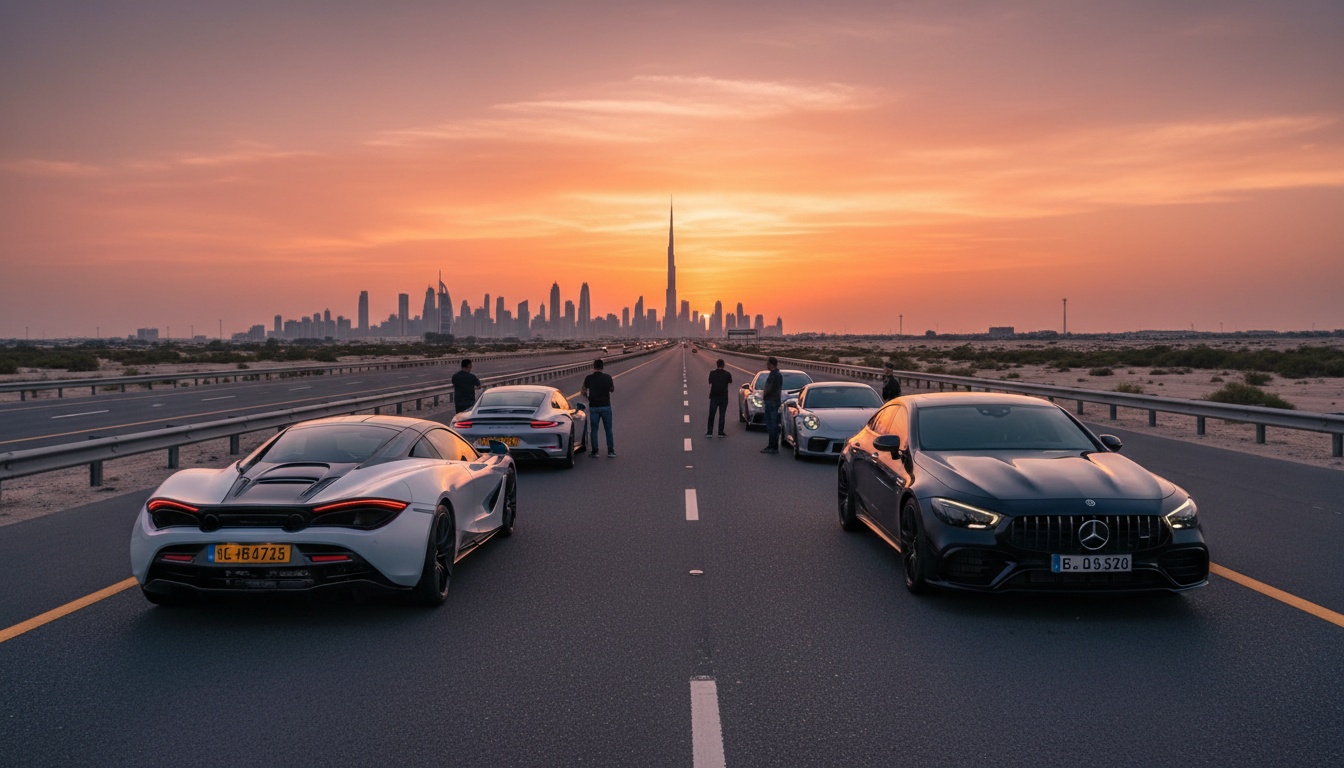
Eid Al Fitr 2026 means packed highways — and unfortunately, multi-vehicle accidents spike on UAE roads like the E11 and E311 every holiday season. Understanding how Dubai Police and Abu Dhabi Police assign fault in chain-reaction collisions could be the difference between a successful insurance claim and a rejected one. Here's what every driver needs to know before hitting the road. You can also compare motor insurance plans on eSanad before you travel.
The Anatomy of a Highway Pile-Up: How UAE Authorities Define Multi-Vehicle Collisions
A multi-vehicle collision in the UAE is any incident involving three or more vehicles in a sequential or simultaneous impact. During Eid holidays, traffic density on inter-emirate highways increases by up to 40%, according to data published by the Roads and Transport Authority (RTA).
UAE authorities classify pile-ups using two core report types:
- Green Report: A minor accident where no injuries are recorded and drivers agree on fault. Drivers are legally required to move vehicles to the hard shoulder immediately to avoid traffic obstruction — failure to do so can add a penalty to your record.
- Red Report: Issued when injuries occur, fault is disputed, or the accident involves more than two vehicles with complex liability. A Red Report requires a police officer on scene and triggers a formal investigation.
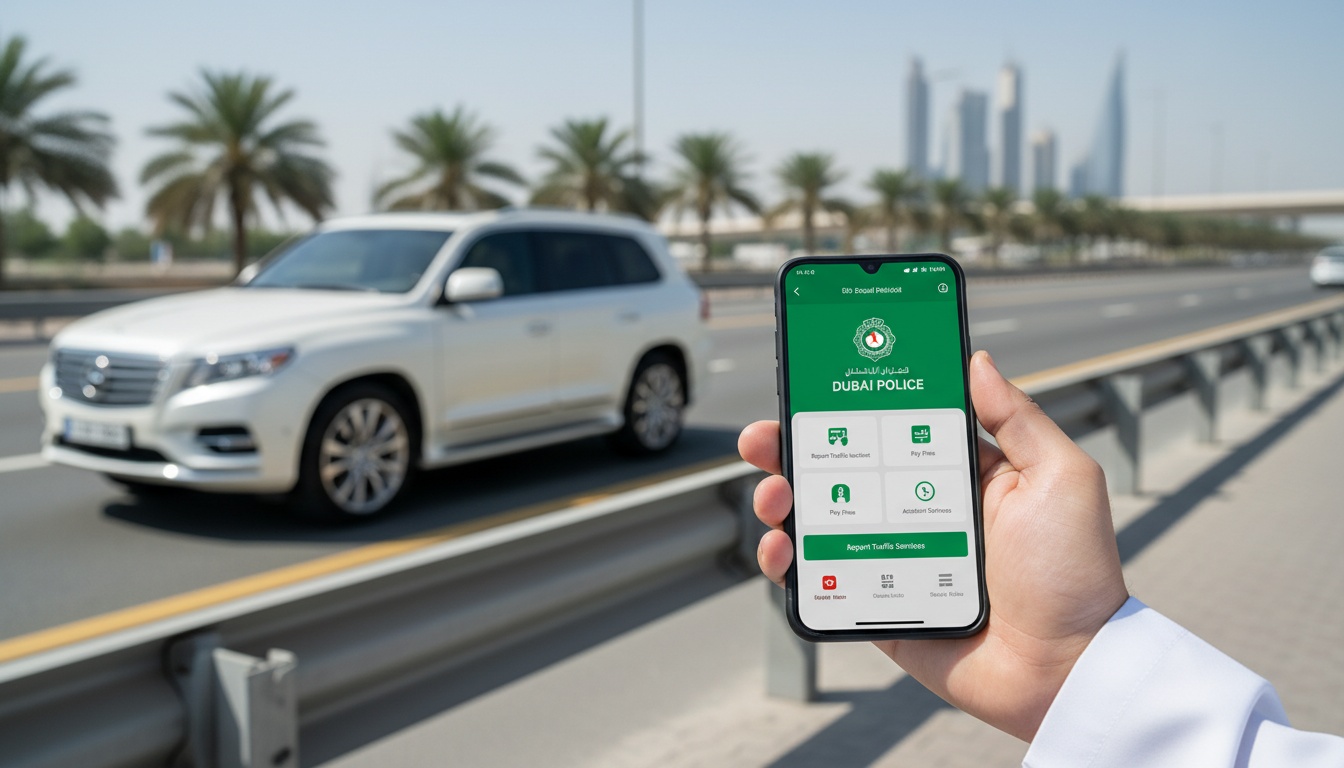
The Saaed system in Abu Dhabi and the Dubai Police app both allow digital accident reporting for simple incidents, but highway pile-ups almost always escalate to a Red Report, requiring Abu Dhabi Police or Dubai Police physical attendance.
Determining Fault: The UAE Rule of Rear-End Liability
The primary legal framework governing pile-up fault in the UAE is Article 52 of Federal Law No. 21 of 1995 (UAE Traffic Law), which mandates maintaining a safe following distance. In practice, this creates what insurers call the "Rule of Rear-End Liability": the driver who fails to maintain adequate distance and rear-ends another vehicle is presumptively at fault.
| Scenario Type | Likely At-Fault Party | Insurance Outcome (Policyholder) |
|---|---|---|
| Simple Chain Reaction (Car A hits B, B hits C) | Car A (triggered impact) | Car B and C claim against Car A's third-party liability |
| Sudden Stop Without Hazard Lights | Middle vehicle may share fault | Partial liability split; claim may be reduced |
| Multi-Lane Merging Collision During Pile-Up | Lane-changing driver | At-fault for vehicles struck during unsafe merge |
In a sandstorm or heavy rain — common during Eid travel — insurers may invoke Force Majeure clauses, which can reduce or eliminate individual driver liability if visibility was objectively zero. However, this does not automatically cover vehicle damage; your policy type determines repair coverage.
Understanding how your policy responds to disputed fault is critical. If your vehicle has aftermarket modifications, also review body kit modifications and car insurance renewal rules for UAE 2026, as undisclosed modifications can void claims.
Insurance Impact: Comprehensive vs. Third-Party Claims in Chain Reactions
Your coverage type fundamentally changes how a pile-up claim is processed.
Third-Party Only (TPL): Covers damage you cause to others. If you are the rear vehicle in a chain reaction, TPL pays for the car in front. However, your own vehicle repairs are not covered — a costly gap when driving on high-speed Eid highways.
Comprehensive Motor Insurance: Covers your vehicle regardless of fault position. This is essential for middle-car scenarios where you absorb impact from both sides. For owners of newer Chinese EVs like BYD, MG, or Geely, non-agency repair limits for Geely and Haval in the UAE 2026 can significantly affect out-of-pocket costs if your policy defaults to non-agency repair.
New Car Replacement Clauses: Vehicles less than 6–12 months old may qualify for new car replacement if declared a total loss. Confirm this in writing with your insurer — it is especially relevant for 2025–2026 model-year Chinese EVs purchased recently.
A Red police report directly impacts your No Claims Bonus (NCB). Review no-claims discount UAE 2026 accident forgiveness rules to understand how a pile-up finding affects your renewal premium.
Compare & Choose on eSanad
Essential Checklist: Immediate Steps After an E11 or E311 Multi-Car Accident
Acting correctly in the first 10 minutes of a pile-up protects both your safety and your insurance claim.
- Activate hazard lights immediately — legally mandatory under UAE Traffic Law.
- Move to the hard shoulder if the vehicle is driveable — failure to clear the lane is a Green Report violation.
- Call 999 (Dubai Police) or 999 (Abu Dhabi Police) for any injury or multi-vehicle incident.
- Document everything — photograph all vehicles, licence plates, road markings, and visible damage before any vehicle moves.
- Collect witness contacts — independent witnesses significantly strengthen disputed liability cases.
- Do not admit fault verbally — UAE courts and insurers assess fault via police reports, not driver statements at scene.
- Notify your insurer within 24 hours — most UAE policies require prompt notification as a claims condition.
- Request the official police report reference number before leaving the scene.
For EV owners, also note battery damage reporting — check EV panoramic roof insurance claims in the UAE 2026 for guidance on how structural EV damage is assessed differently.
Get a Free Quote Now
Conclusion
Bottom line: In UAE highway pile-ups during Eid 2026, fault is determined primarily by Article 52 safe-following-distance rules, police report classification, and sequence of impact — not by who was driving the most expensive car. Comprehensive motor insurance is your strongest protection as a middle-car victim, and acting correctly on scene preserves your claim.
Compare and renew your motor insurance on eSanad before Eid travel to ensure you're fully covered for highway incidents.
Short Summary: Learn how UAE authorities assign fault in Eid 2026 highway pile-ups and how your motor insurance responds to chain-reaction claims.
Meta Description: Eid 2026 highway pile-ups explained: how UAE police assign fault, Red vs Green reports, and how comprehensive motor insurance protects you in chain reactions.
Slug: eid-2026-highway-pile-ups-fault-uae-multi-vehicle-accidents
FAQ
How does the UAE minor accident rule apply in a pile-up involving more than five cars?
Incidents involving more than two vehicles, injuries, or disputed fault automatically qualify for a Red Report, bypassing the minor accident self-reporting system. A police officer must attend and produce an official determination.
Will my insurance cover agency repairs if I am the middle car in a chain collision?
Only if your comprehensive policy includes an agency repair clause. Many standard policies default to non-agency repair after the first year. Confirm this before renewal — especially important for newer Chinese brands where parts availability varies.
Does a Red police report affect my No Claims Bonus in a multi-car crash?
Yes. A Red Report where you are found partially or fully at fault will typically result in NCB loss at renewal. Some insurers offer accident forgiveness for the first incident — check your policy terms.
What happens if the car that triggered the pile-up is unidentified or flees?
File a police report immediately. Under UAE insurance regulations overseen by the Central Bank of the UAE, comprehensive policyholders may be able to claim for their own damage, though third-party recovery against an unidentified driver is not possible.
Is total loss handled differently for new Chinese EV brands like BYD or Geely in mass accidents?
Yes. Total loss thresholds and replacement valuations for newer Chinese EV brands are still being standardised by UAE insurers. Agency repair policies and new car replacement clauses are particularly important to verify for 2025–2026 model-year EVs before an Eid road trip.
Editorial note: This article is for general information and does not constitute insurance advice. Always confirm terms with your insurer.