

Health Insurance
Eid Al Fitr 2026 Non-Network Emergency Health Insurance Guide
Eid Al Fitr 2026 brings joy, travel, and family gatherings — but when clinics close and emergencies strike, knowing your health insurance rights becomes critical. This guide explains exactly how UAE families can access non-network emergency care during the holiday, navigate reimbursement claims, and protect themselves financially when their regular network isn't available.
Understanding the 'Emergency Only' Clause in UAE Health Insurance
Every UAE health policy — from basic Mandatory Health Insurance (MHI/LSP) to premium comprehensive plans — contains an "Emergency Only" clause governing non-network access. Understanding it before Eid weekend could save your family thousands of dirhams.
Under regulations from the Dubai Health Authority (DHA) and the Department of Health Abu Dhabi (DoH), a medical emergency is defined as any condition threatening life, limb, or vital organ function that requires immediate intervention. Examples include chest pain, severe breathing difficulty, fractures, or high fever with altered consciousness in children.
Crucially, federal law mandates that all UAE-licensed hospitals must stabilize emergency patients regardless of network status. Your insurer cannot deny emergency stabilization coverage simply because a facility is out-of-network. However, non-emergency presentations — such as routine GP consultations or prescription refills — are generally not covered at non-network facilities, even if your regular clinic is closed for Eid.
For families transferring coverage between emirates, the rules around network access can differ. The Health Insurance Transfer Dubai to Abu Dhabi 2026 Guide explains how DHA and DoH regulations apply to cross-emirate policyholders.
Step-by-Step Guide to Accessing Non-Network Care During Eid 2026
If a genuine emergency occurs during the Eid holiday and your in-network hospital is unreachable, follow these steps:
- Go to the nearest 24/7 emergency room. All licensed public and private hospitals in the UAE are legally required to provide emergency stabilization — do not delay care due to network concerns.
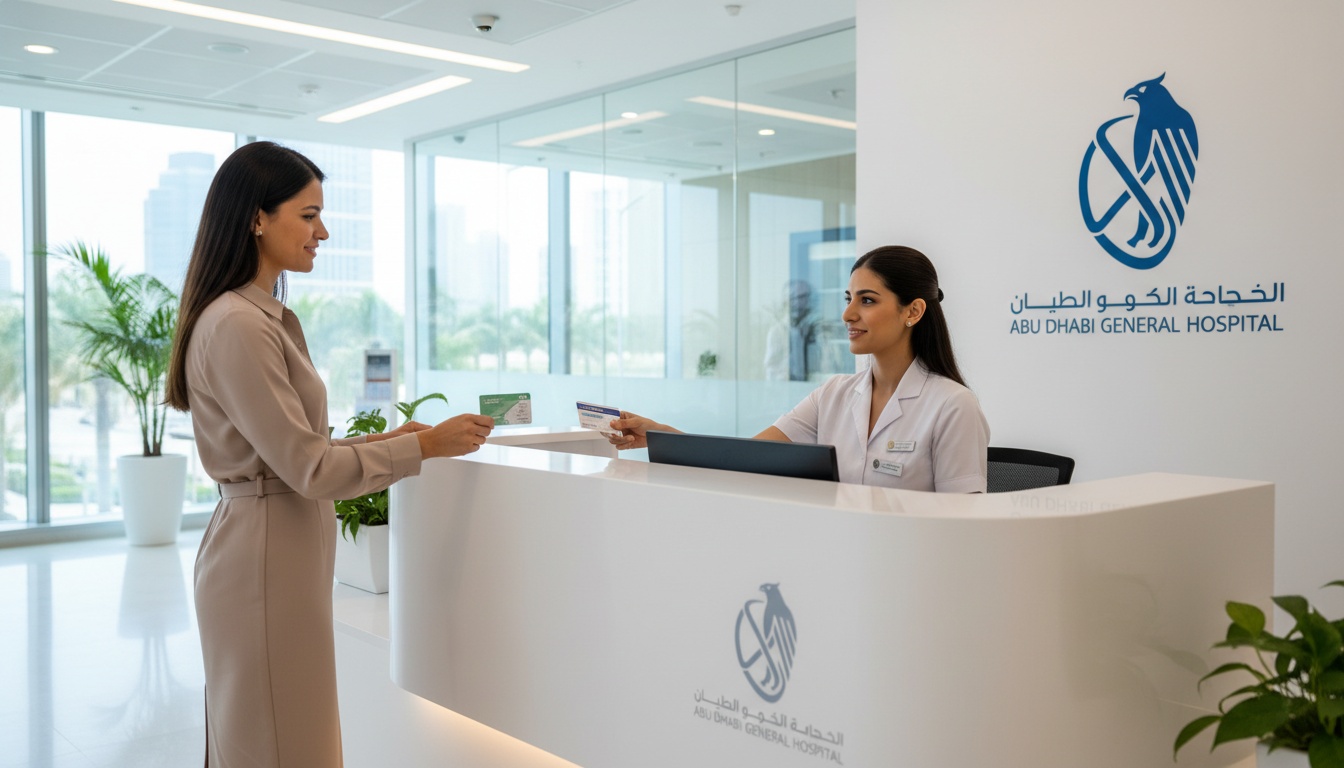
- Present your Emirates ID and insurance card immediately. Even at non-network facilities, some hospitals can attempt real-time verification through your TPA's emergency hotline.
- Request a stamped medical report at discharge. This document is mandatory for any reimbursement claim. Ensure it clearly states the diagnosis, treatment provided, and emergency classification.
- Collect all original itemized invoices and receipts. Photocopies are generally not accepted by Third Party Administrators (TPAs).
- Call your insurer's 24/7 emergency line. Numbers appear on the back of your insurance card. Notify them within 24–48 hours of admission where possible — late notification can complicate claims.
- Submit your claim within the policy window (typically 30–120 days from the date of treatment).
For Golden Visa holders whose coverage requirements differ, review the Golden Visa Travel 2026: Health Insurance Rules Abroad article for additional guidance.
Reimbursement vs. Direct Billing: Navigating the Financials
Understanding the financial mechanics of non-network care is essential for Eid preparedness. The table below compares what you can expect:
| Feature | In-Network (Direct Billing) | Non-Network (Reimbursement) |
|---|---|---|
| Upfront Payment | Co-payment only | Full bill amount |
| Documentation Required | Emirates ID only | Medical report + itemized invoices |
| Approval Process | Real-time via TPA portal | Retrospective review by TPA |
| Reimbursement Timeline | N/A | 15–45 business days post-submission |
| Coverage Cap | Policy limits apply | Reasonable and Customary (R&C) rates |
The key financial risk with non-network reimbursement is the Reasonable and Customary (R&C) cap. Your insurer will reimburse only up to the rate they deem standard for a given procedure — if a private hospital charges AED 8,000 for an ER visit that R&C benchmarks at AED 5,000, you absorb the AED 3,000 difference.
For families monitoring rising healthcare costs, our analysis of UAE Medical Inflation 2026 explains why R&C caps matter more than ever this year.
Compare & Choose on eSanad
Essential Checklist for Family Emergency Preparedness in the UAE
Preparation before Eid Al Fitr weekend eliminates panic during an actual emergency. Use this checklist:
- ☑ Save your TPA's 24/7 emergency hotline in every family member's phone
- ☑ Photograph your insurance card (front and back) and store in a shared cloud folder
- ☑ Identify the nearest licensed 24/7 ER to your holiday location — public and private
- ☑ Check if your plan includes telehealth for non-emergency holiday consultations
- ☑ Confirm your reimbursement claim window — it varies from 30 to 120 days by insurer
- ☑ Review your policy's R&C schedule so you know potential out-of-pocket exposure
- ☑ Ensure children's vaccinations are current — our Child Vaccination Schedule 2026 UAE Insurance Coverage Guide outlines what's typically covered under family plans
- ☑ Pack an emergency health folder with Emirates IDs, insurance cards, and any chronic medication prescriptions
Get a Free Quote Now
Conclusion
Bottom line: Non-network emergency coverage during Eid Al Fitr 2026 is your legal right under UAE federal law — every hospital must stabilize emergencies regardless of your insurer's network. However, reimbursement caps, documentation requirements, and upfront payment obligations mean that preparation is essential. Review your policy, save emergency contacts, and know your nearest 24/7 ER before the holiday begins.
Short Summary: Learn how UAE families can access and claim non-network emergency health cover during Eid Al Fitr 2026 under DHA and DoH rules.
Meta Description: Understand non-network emergency health insurance rights for UAE families during Eid Al Fitr 2026. DHA rules, reimbursement steps, and a family checklist.
Slug: eid-al-fitr-2026-non-network-emergency-health-insurance-uae
Explore eSanad →
FAQ
What qualifies as a medical emergency under DHA and DoH rules?
Both the DHA and DoH define a medical emergency as a sudden condition that poses an immediate threat to life, limb, or vital organ function — including chest pain, stroke symptoms, severe trauma, or acute respiratory distress. Routine illnesses that can wait for a clinic appointment generally do not qualify, even during public holidays.
Will my insurance cover a non-emergency visit if my network clinic is closed for Eid?
Generally, no. UAE health insurance policies cover non-network facilities for emergencies only. If your condition is non-urgent, your insurer's telehealth service or a covered 24/7 pharmacy consultation is the recommended route during the Eid Al Fitr holiday period.
How long do I have to submit a reimbursement claim after an Eid emergency?
Submission windows vary by insurer and TPA, typically ranging from 30 to 120 days from the date of treatment. Check your Certificate of Insurance or call your TPA directly — missing the deadline usually means forfeiting the reimbursement entirely.
Do basic plans (LSP) cover non-network emergency stabilization?
Yes. Under UAE insurance regulations, even the most basic Mandatory Health Insurance plan must cover emergency stabilization at any licensed UAE hospital. However, the R&C reimbursement cap on basic plans is lower, meaning out-of-pocket costs can be significant at premium private hospitals.
What should I do if a non-network hospital demands a cash deposit during an emergency?
Pay the deposit, retain every receipt, and immediately call your insurer's 24/7 emergency line. Insurers can often issue a payment guarantee letter or intervene directly with the hospital's billing department. All deposits and payments should be documented for your reimbursement claim submission.
Editorial note: This article is for general information and does not constitute insurance advice. Always confirm terms with your insurer.