Motor Insurance
EV Charger Liability: UAE Motor Insurance and Station Damage 2026
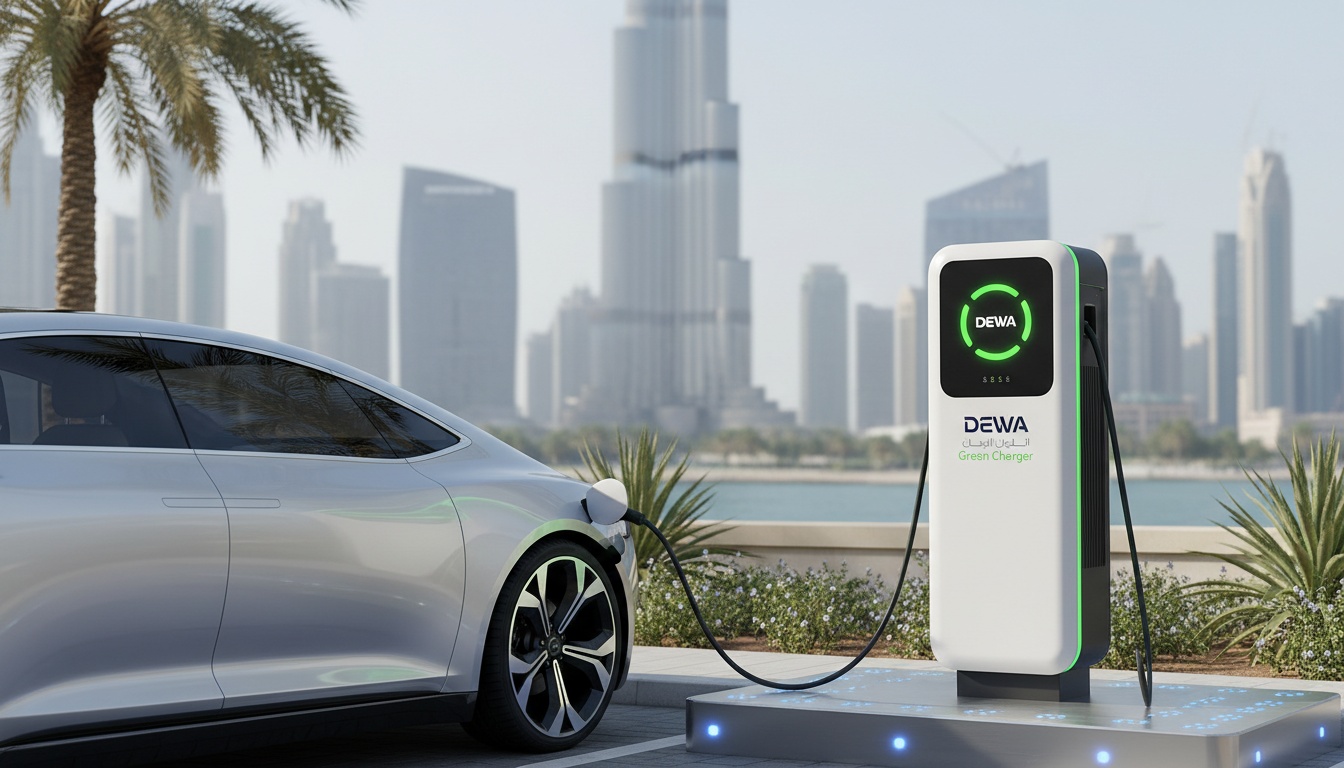
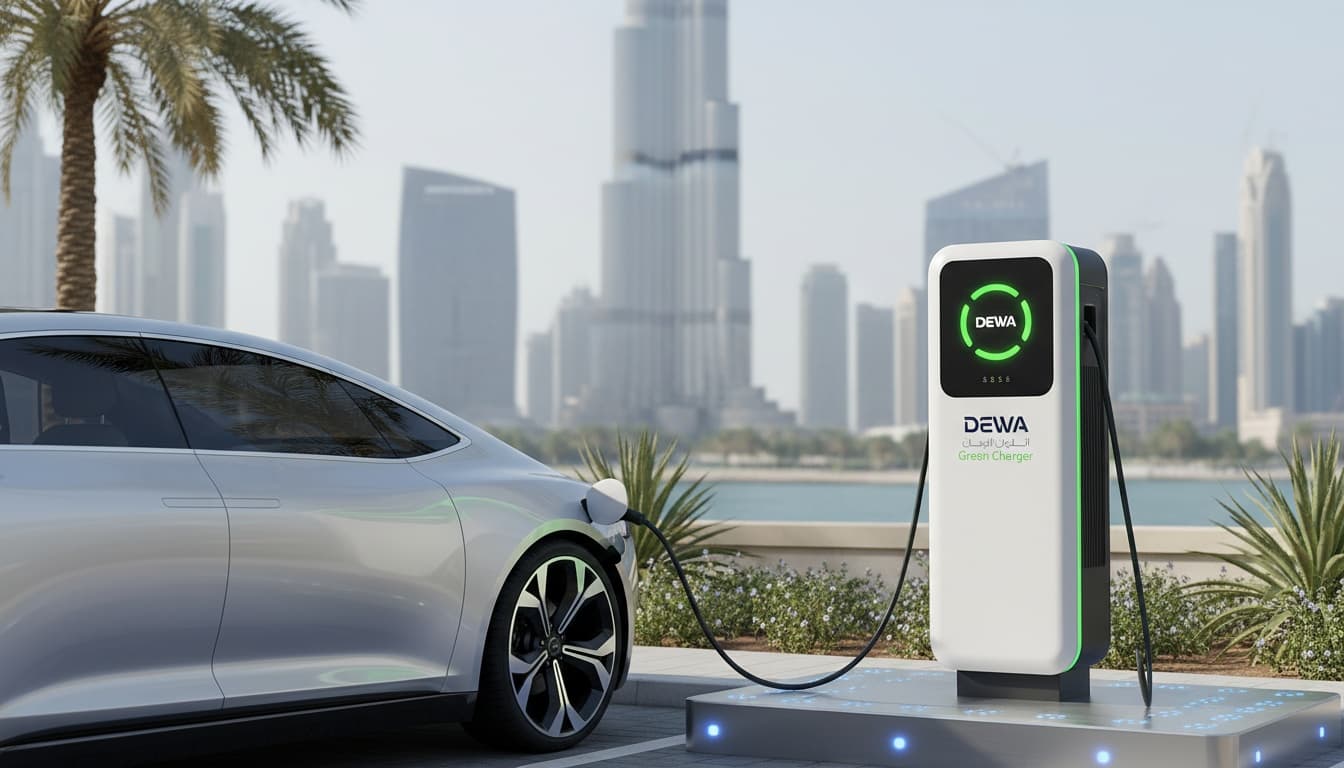
The UAE's electric vehicle revolution is accelerating in 2026, with Tesla, BYD, MG, and Geely dominating Dubai and Abu Dhabi roads. But as charging infrastructure expands across villas, parking lots, and public stations, a critical question emerges: who pays when things go wrong? Whether you accidentally reverse into a DEWA Green Charger, your home wall-box malfunctions and damages your EV, or a power surge fries your battery mid-charge, understanding the insurance liability nexus between your motor insurance and property coverage is essential. This article decodes the legal and financial responsibilities UAE EV owners face in 2026.
Introduction
Understanding EV Charging Liability: The Legal Intersection of Property and Petrol-Free Power
The UAE's insurance framework treats electric vehicles under the same Unified Motor Policy regulations as traditional cars, but charging infrastructure introduces a unique liability challenge. Under RTA and UAE Central Bank guidelines, a charging station — whether public or private — is classified as third-party property when struck or damaged by a vehicle.
Here's the critical distinction in 2026:
- Motor Insurance Coverage: Protects against damage your vehicle causes to third-party property (TPL) or damages sustained by your vehicle (Comprehensive)
- Home/Property Insurance: Covers physical damage to installed charging equipment at your residence
- Product Liability: Falls under manufacturer warranties when charger defects cause vehicle or property damage
The 2026 UAE National Electric Vehicles Policy (MOEI) mandates that all residential charging installations must be performed by ESMA-certified contractors and approved by DEWA (Dubai) or ADDC (Abu Dhabi). Using non-certified equipment can void insurance claims entirely.
Practical Implications:
- If you collide with a public charging station, your Third-Party Liability (TPL) insurance should cover repairs
- If your home charger sparks a fire damaging your vehicle, your property insurance and manufacturer warranty typically apply
- Cable theft while charging is covered under Comprehensive motor insurance as an accessory
For a deeper understanding of coverage types, see our guide on comprehensive vs third-party car insurance in UAE.
Scenario Breakdown: Who Pays for Damage to Public vs. Private Charging Stations?
Understanding liability starts with identifying the location and ownership of the charging point. Let's examine the most common 2026 scenarios:
Scenario 1: You Hit a Public DEWA/ADDC Green Charger
Liability: You (the driver)
Insurance Coverage: Your Third-Party Liability (TPL) or Comprehensive motor policy
Impact on NCB: Yes, filing a claim may affect your No Claims Bonus
The RTA treats public charging stations identically to street furniture, bollards, or lamp posts. Your motor insurance's TPL component covers repair costs up to your policy limit (typically AED 500,000 minimum in 2026). However, expect your premium to increase at renewal if you file a claim.
Scenario 2: Faulty Home Charger Damages Your Tesla
Liability: Equipment manufacturer or installer
Insurance Coverage: Homeowners/Villa insurance + manufacturer warranty
Motor Insurance Role: None, unless fire spreads to the vehicle cabin (then Comprehensive "Fire & Theft" applies)
If a wall-box charger malfunctions and damages your EV's battery or electrical system, this falls under product liability and property insurance. DEWA's 2026 installation guidelines require all home chargers to carry ESMA certification — non-compliant units void both motor and home insurance claims.
Scenario 3: Guest's EV Catches Fire While Charging at Your Villa
Liability: Shared between property owner and vehicle owner
Insurance Coverage: Your villa's building insurance + guest's Comprehensive motor policy
Critical Factor: Was the charger professionally installed and maintained?
If the fire originated from the charging equipment, your property insurer investigates installation compliance. If the vehicle's battery was defective, the guest's motor insurer handles the claim. This is why 2026 regulations require annual electrical inspections for residential charging points.
Scenario 4: Shopping Mall Charger Overcharges and Destroys Your Battery
Liability: Commercial facility operator
Insurance Coverage: Operator's Public Liability insurance
Your Motor Insurance Role: Subrogation target if you share fault
Commercial operators like those in Dubai Mall or Yas Mall carry Public Liability coverage. However, if you ignored warning signs or used an incompatible charger against manufacturer specifications, their insurer may pursue subrogation against your motor policy.
Looking for the best EV insurance rates?
Compare Plans on eSanad
Compare & Choose on eSanad
Comparison of Coverage: Comprehensive Motor Insurance vs. Third-Party Liability (TPL) for EV Incidents
Not all motor insurance policies treat EV charging incidents equally. Here's how coverage differs in 2026:
| Incident Scenario | TPL Coverage | Comprehensive Coverage | Liability Determination |
|---|---|---|---|
| Vehicle hits public DEWA/ADDC Green Charger | ✅ Covered (up to policy limit) | ✅ Covered + own vehicle damage | Driver liable for station repair costs |
| Faulty home charger causes car fire | ❌ Not covered | ✅ Covered under Fire & Theft (if flame reaches cabin) | Property insurance + manufacturer warranty primary |
| Vandalism to residential wall-box charger | ❌ Not covered | ❌ Not covered (this is property, not vehicle) | Home/villa contents insurance |
| Charging cable stolen while plugged in | ❌ Not covered | ✅ Covered as vehicle accessory | Vehicle owner files motor claim |
| Power surge damages battery during charge | ❌ Not covered | ⚠️ Covered only if charger was ESMA-certified | Utility provider or charger operator liable if equipment approved |
| Tripping hazard from cable injures pedestrian | ✅ Covered under TPL bodily injury | ✅ Covered | Vehicle owner liable if cable placement violated RTA parking rules |
Key 2026 Coverage Gaps to Watch:
- Battery Degradation: Normal wear from charging is NEVER covered — only sudden catastrophic failures from external causes
- Non-Certified Chargers: Any claim involving ESMA non-compliant equipment will be rejected
- Commercial Use: If you operate a private charging service without commercial insurance, personal motor policies won't respond
To better understand how your current policy handles EV-specific risks, check your car insurance status online.
Get a Free Quote Now
A 2026 Safety Checklist: Protecting Your EV Investment and Your Home Terminal
Avoid liability nightmares with these essential precautions:
Before Installing a Home Charger:
- Verify ESMA Certification: Only use chargers listed on the Emirates Authority for Standardization and Metrology (ESMA) approved equipment database
- Hire Licensed Contractors: DEWA and ADDC require professional installation — DIY voids insurance and violates building codes
- Update Home Insurance: Notify your property insurer about the new electrical installation and request building coverage adjustment
- Request Load Calculation: Ensure your villa's electrical panel can handle the charger's amperage without risking fire
When Using Public Charging:
- Inspect Station Condition: Report damaged equipment to RTA (Dubai: 8009090) or ADDC (Abu Dhabi: 026941666) before connecting
- Follow Manufacturer Guidelines: Never force incompatible connectors or exceed your vehicle's maximum charging rate
- Monitor Charging Sessions: Stay within visual range or use apps that alert you to faults
- Document Everything: Photos of station condition, charge start time, and any error messages protect you in disputes
Annual Maintenance Requirements (2026 UAE Regulations):
- Electrical Safety Inspection: Required annually for residential charging points — certificate must be provided to insurers upon renewal
- Cable Integrity Check: Replace frayed or damaged charging cables immediately
- Software Updates: Keep your EV's charging management system updated to prevent compatibility issues with newer stations
Conclusion
Bottom line: In 2026, EV charging liability in the UAE operates at the intersection of motor, property, and product liability insurance. Your Third-Party Liability motor policy covers damage you cause to charging stations, while Comprehensive coverage protects your vehicle from fire and theft during charging. However, damage to home charging equipment itself falls under property insurance, and using non-ESMA certified equipment can void all claims. Always ensure professional installation, maintain annual electrical certifications, and understand exactly what your motor insurance covers before plugging in.
Get Your Motor Insured Instantly
FAQ
Does my UAE car insurance cover the charging cable if it is stolen while in use?
Yes, if you have Comprehensive motor insurance, charging cables are typically covered as vehicle accessories. However, you must file a police report and provide proof of ownership. Third-Party Liability (TPL) policies do not cover theft. Check your policy's accessory coverage limit, which usually ranges from AED 2,000 to AED 5,000 in 2026.
Will hitting a public charging station affect my No Claims Bonus (NCB)?
Yes. Colliding with a public charging station is treated identically to hitting any third-party property. Filing a claim will reset or reduce your NCB, potentially increasing your premium by 15-30% at renewal. Consider paying minor damages out-of-pocket if the repair cost is less than your excess plus future premium increases.
Am I liable if a guest's EV catches fire while charging at my villa?
Liability depends on the fire's origin. If your home charger was faulty or improperly installed, your property insurance may be liable. If the vehicle's battery was defective, the guest's motor insurance and the vehicle manufacturer are responsible. Always ensure your charger has current ESMA certification and annual electrical safety inspections to minimize your liability exposure.
Does comprehensive insurance cover battery damage caused by a power surge during charging in the UAE?
Coverage depends on the charger's certification status. If you used an ESMA-approved charger installed by a licensed contractor, and a power surge from DEWA/ADDC's grid damages your battery, your Comprehensive policy's electrical damage clause may cover repairs. However, if you used a non-certified charger, the claim will likely be denied. Always keep installation certificates and maintenance records.
Is a specialized 'EV-only' insurance rider required for station liability in 2026?
No, specialized riders are not mandatory in 2026, but they are increasingly recommended. Standard Comprehensive and TPL policies cover basic charging-related incidents, but EV Enhancement Riders offered by top UAE insurers provide higher limits for charging equipment damage, battery replacement, and rental car coverage during extended repairs.
What happens if a non-RTA approved charger damages my vehicle?
Claims will be denied by both your motor insurer and the charger manufacturer. The UAE's 2026 regulations require all charging equipment to meet ESMA standards and RTA operational approvals. Using non-compliant equipment violates your insurance policy's terms and may result in total loss of coverage, leaving you personally liable for all repair costs.
Editorial note: This article is for general information and does not constitute insurance advice. Always confirm terms with your insurer.