

Motor Insurance
EV Charging Station Damage Liability UAE Ramadan 2026
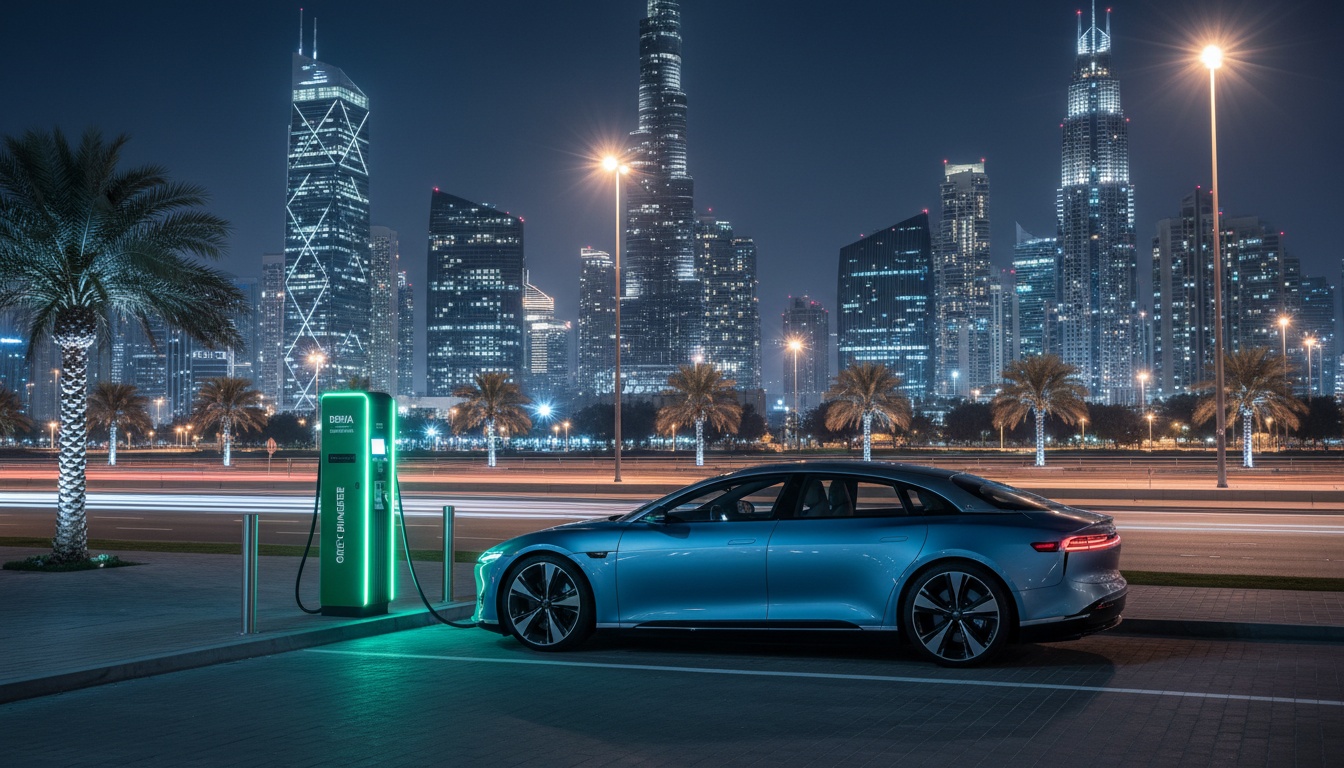
Ramadan 2026 brings a dramatic shift in EV charging behaviour across the UAE, with post-Iftar queues stretching at DEWA and ADDC Green Charger stations from Dubai to Abu Dhabi. For EV owners, understanding who pays when charging accidents happen — and how your motor insurance in the UAE responds — has never been more critical. This guide covers etiquette, liability law, and practical claims steps.
Why EV Charging Dynamics Change During Ramadan 2026
During Ramadan, daily routines in the UAE shift significantly. Commuters fast through daylight hours, compress errands into evening windows, and crowd motorways during Iftar and Suhoor rushes. For EV drivers, this means public charging infrastructure — particularly DEWA's Green Charger network and ADDC stations — experiences peak demand between 8 PM and 3 AM.
This congestion creates friction: cables stretched across walkways, vehicles parked at occupied bays, and hurried Iftar-hour top-ups. The risk of physical damage to charging hardware rises accordingly. A tripped cable can snap a connector; a reversing vehicle in a dark Suhoor-hour rush can clip a charging pedestal.
Understanding the legal landscape before an incident occurs is essential. The UAE Ministry of Energy and Infrastructure (MOEI) governs EV infrastructure standards, while the RTA oversees EV-related traffic incidents in Dubai. Knowing which authority to contact — and which insurance clause to invoke — saves critical time.
Comprehensive Coverage vs. Charging Station Liability: Who Pays for Damages?
This is where most EV owners in the UAE get caught off guard. "Charging station damage" is not a monolithic insurance event — liability depends entirely on the scenario.
Liability Breakdown: Charging Damage Scenarios
| Scenario | Primary Liability Holder | Insurance Impact (UAE Motor Policy) |
|---|---|---|
| Cable trip / physical station damage | Vehicle owner (negligence) | Claim under Third-Party Liability (TPL) |
| Vehicle charging port damaged by cable | Vehicle owner | Covered under Comprehensive if accidental |
| Faulty charger electrical surge | Station provider / manufacturer | Not covered by motor insurance; requires Professional Indemnity |
| Unauthorized home charger installation | Homeowner (negligence) | High risk of claim rejection if not ESMA-certified |
| Grey-market EV with non-GCC spec charger | Vehicle owner | Potential policy void; insurer may decline |
Damaging a public DEWA Green Charger pedestal is classified as Property Damage under the Third-Party Liability section of a UAE motor policy. Your insurer pays the station operator — but your no-claims discount may take the hit.
Comprehensive insurance covers damage to your own vehicle's charging port, but only under standard operational conditions. If your port is damaged because you used a non-GCC spec cable, the insurer may dispute the claim. Owners of Chinese EVs such as BYD or MG should also review our guide on Chinese SUV bumper repair and ADAS sensor costs UAE 2026, as charging-related incidents can trigger similar electrical diagnostics.
Private Home Charging vs. Public DEWA/ADDC Station Protocols
Not all charging environments carry the same liability exposure.
Public Stations (DEWA / ADDC Green Charger) DEWA and ADDC terms of service explicitly hold the user liable for physical damage resulting from negligence. If you drive off with the cable still connected, the cost of replacing the connector falls on you — and your TPL insurer. Filing a claim requires a police report (obtainable via the Dubai Police app) before approaching your insurer.
Private Home Chargers Home charging liability is a different conversation entirely. The UAE Central Bank's motor insurance framework does not classify home charger damage as a motor insurance event. A power surge damaging your wall-mounted unit is a property or home contents issue — not covered by your vehicle policy. However, if your vehicle's on-board charger is damaged by a surge from a faulty home unit, comprehensive motor insurance may respond — provided the charger carried valid ESMA certification.
For EV owners weighing the true costs of ownership, the Silent EV Accidents UAE 2026 liability guide offers important complementary reading on residential EV incidents.
Compare & Choose on eSanad
Essential Ramadan Charging Etiquette for UAE Motorists
Beyond liability, cultural and practical etiquette matters during the Holy Month. Follow these guidelines to respect fellow drivers and avoid unnecessary disputes:
- Apply the 80% Rule: Vacate the charger once your battery reaches 80% State of Charge (SOC). This one habit can free a bay 20–30 minutes faster during Iftar rush.
- Avoid peak hours where possible: Schedule top-ups between 11 AM and 3 PM (quieter fasting hours) rather than competing during the 8 PM–3 AM surge.
- Never ICE a charging bay: Parking a non-EV in a charging bay during Ramadan constitutes an RTA violation. Fines apply regardless of the hour.
- Secure cables after use: A loose cable across a pedestrian path is both a hazard and a liability trigger.
- Check for app-based booking: DEWA's EV Green Charger app allows slot reservations at select stations — use it.
Drivers planning Eid travel should also confirm cross-border EV coverage. Our guide on driving UAE to Saudi 2026 covers what your motor policy includes at GCC borders.
Get a Free Quote Now
Conclusion
Bottom line: Ramadan 2026 reshapes EV charging patterns across the UAE, creating real liability risks that standard motor insurance may not fully cover. Knowing whether your TPL or comprehensive policy responds — and whether your charging hardware meets ESMA standards — is the difference between a settled claim and an expensive dispute. Compare and review your EV motor insurance options on eSanad before the Iftar rush begins.
Short Summary: Understand EV charging station liability, Ramadan etiquette rules, and how UAE motor insurance responds to charger damage in 2026.
Meta Description: EV charging station damage during Ramadan 2026 in UAE — learn who pays, what motor insurance covers, and DEWA liability rules.
Slug: ev-charging-station-damage-liability-uae-ramadan-2026
FAQ
Is damage to a public EV charger covered by my UAE car insurance?
Yes — physical damage to a DEWA or ADDC station caused by your vehicle is covered under the Third-Party Liability (TPL) section of your UAE motor policy. A police report is required before filing the claim.
What are the peak EV charging hours to avoid during Ramadan in Dubai and Abu Dhabi?
Peak demand runs from approximately 8 PM to 3 AM — the post-Iftar and pre-Suhoor windows. Charging between 11 AM and 3 PM during fasting hours is significantly quieter.
Can I be fined for overstaying at a charging station during Iftar?
DEWA's terms of service permit operators to flag overstaying vehicles. While dedicated "charging overstay" fines are not universally codified, parking violations and RTA penalties can apply if you obstruct a bay beyond your session.
Will using a non-GCC spec charger void my vehicle's insurance in the UAE?
It may. Insurers can reject claims linked to non-ESMA-certified or non-GCC-spec charging hardware on the basis that the vehicle was operated outside standard conditions. Always use certified equipment.
Are Chinese EV brands like BYD and Geely treated differently in charging damage claims?
Not in principle — UAE motor insurance applies the same TPL and comprehensive framework regardless of brand. However, repair costs and parts availability for Chinese EVs can affect settlement timelines and amounts.
Editorial note: This article is for general information and does not constitute insurance advice. Always confirm terms with your insurer.