

Motor Insurance
Driving EV to Umrah 2026: Insurance and Towing Limits Guide

Planning to drive your electric vehicle from the UAE to Saudi Arabia for Umrah 2026? Before you hit the road, there's a critical insurance gap most EV owners miss — towing limits and recovery protocols that standard GCC extensions don't cover. This guide breaks down exactly what UAE EV owners need to know before crossing the Batha border, and how to compare motor insurance plans that actually protect you on a 1,000km+ desert journey.
Understanding GCC Insurance Extensions for EVs: UAE to Saudi Arabia
Most UAE drivers assume a comprehensive policy automatically extends to Saudi Arabia. Technically, GCC extensions do transfer Third Party Liability (TPL) coverage across the border — but for EVs, that's where the good news largely ends.
What your standard GCC extension typically covers:
- Third Party Liability for accidents in KSA
- Basic roadside assistance within limited distances
- Emergency towing — but usually by hook or wheel-lift
Here's the problem: EVs cannot be towed by conventional wheel-lift or chain methods. Doing so risks catastrophic damage to the electric motor, regenerative braking system, and drivetrain. Saudi roadside operators may not automatically dispatch a flatbed, and if your insurer hasn't specified flatbed-only recovery in writing, your claim for resulting mechanical damage can be denied.
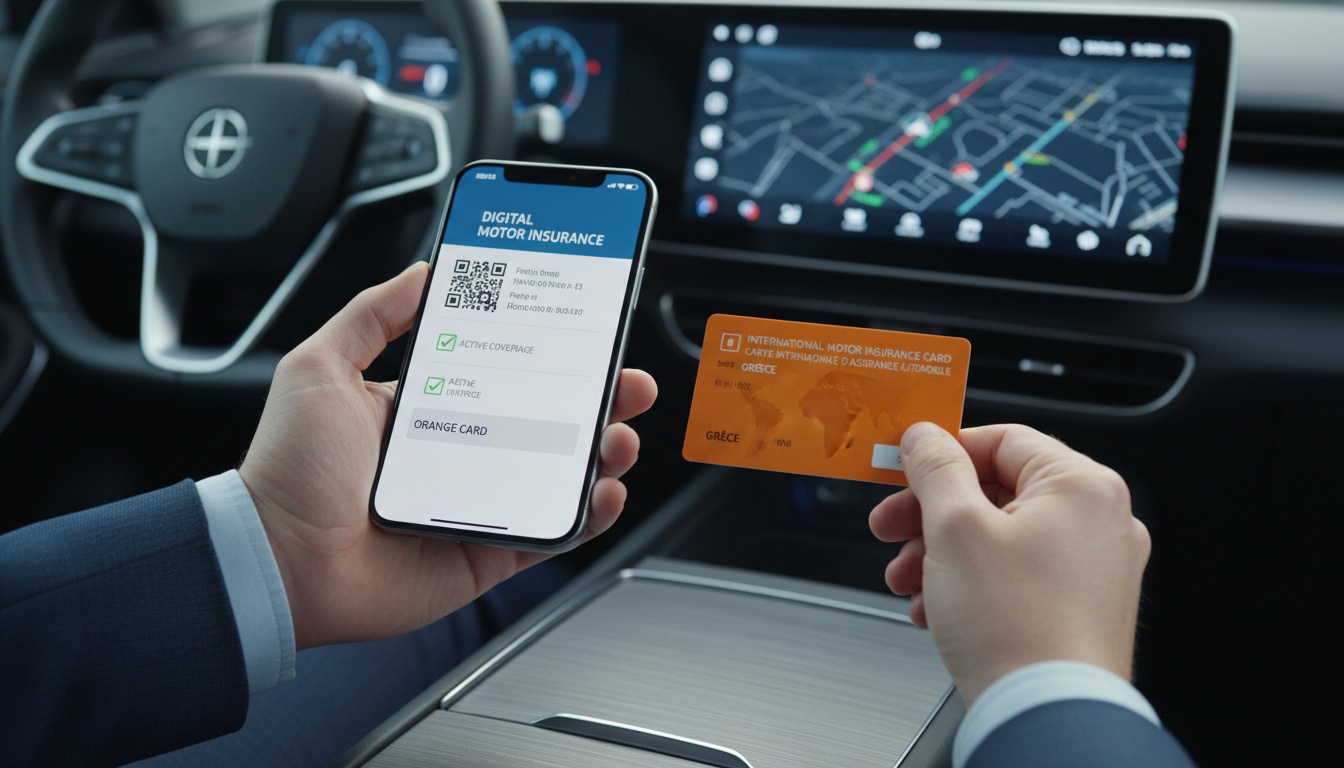
The Orange Card — the GCC equivalent of a cross-border insurance certificate — is mandatory at the Batha border crossing in 2026. Ensure yours is valid for Saudi Arabia and that it explicitly covers your EV model.
For broader EV-specific insurance considerations in the UAE, the Chinese EV chassis failures and UAE insurance claims 2026 guide covers how mechanical exclusions affect Chinese EV brands in particular.
EV Towing Limits: Flatbed Requirements and Distance Caps for 2026
This is the section most insurance comparison sites skip entirely. Standard GCC extension policies cap towing reimbursement by distance — typically 50km to 100km — and by AED value. Neither threshold comes close to covering a real-world EV breakdown between, say, Jeddah and the UAE border.
EV Towing and Recovery Coverage: UAE to KSA Comparison
| Feature | Standard GCC Extension | Premium EV-Specific Rider |
|---|---|---|
| Towing Method | Hook/Chain (Unsuitable for EVs) | Hydraulic Flatbed Only |
| Distance Limit | 50km–100km typically | Unlimited or 500km+ border-to-city |
| Battery Depletion Support | Rarely covered | Mobile charging or tow to nearest charger |
| Own Damage Coverage in KSA | Requires separate add-on | Included with EV rider |
| Agency Repair in KSA | Limited urban centers only | Pre-authorised network in major cities |
Why distance caps matter: A breakdown outside Makkah or on the Haramain Expressway could require flatbed transport to Jeddah (100km+), then a cross-border recovery to the UAE (another 1,300km+). A standard policy paying AED 500–800 for local towing leaves you personally liable for costs that routinely exceed AED 5,000–12,000 for EV-specific flatbed recovery.
Battery depletion is classified differently: Most insurers treat battery depletion as "driver negligence" or a "mechanical breakdown," not a roadside emergency. This exclusion is buried in policy wording. A premium EV rider explicitly includes on-site mobile charging dispatch or towing to the nearest charging station.
Also worth reviewing before your trip: EV flood damage claims in UAE 2026 and EV frunk cargo electronics coverage UAE 2026, both of which highlight how standard policies routinely exclude EV-specific incidents.
Comparing Roadside Assistance: Standard vs. Premium EV Coverage
When evaluating your coverage before an Umrah road trip, the distinction between roadside assistance and recovery is critical.
- Roadside assistance = on-site help (jump start, tyre change, fuel delivery). For EVs, this translates to mobile charging.
- Recovery = transporting your vehicle to a garage or across a border. For EVs, this must be flatbed-only.
Standard GCC extensions rarely distinguish between the two for EVs, defaulting to whichever option is cheapest for the insurer.
For Chinese EV brands specifically — BYD, MG, Zeekr, and Geely — authorised repair facilities in Saudi Arabia are concentrated in Riyadh and Jeddah. A breakdown on the Medina-Makkah highway could mean a 300km+ transport to reach an agency-approved garage. Confirm whether your insurer requires agency repairs for warranty validity.
Planning a similar spiritually significant journey? The Hajj 2026 travel insurance CFAR coverage guide for UAE residents offers complementary trip-protection advice.
Compare & Choose on eSanad
Essential Checklist for Driving Your EV to Umrah: 2026 Regulations
Use this checklist before departure to ensure full coverage:
- Confirm Orange Card validity — must list Saudi Arabia, valid for your full trip duration
- Verify flatbed towing clause — obtain written confirmation from your insurer
- Add an EV-specific rider — covers battery depletion, own damage in KSA, and extended recovery distance
- Check agency repair geography in KSA — confirm authorised garages exist along your route
- Pre-save recovery hotlines — save your insurer's 24/7 KSA emergency number before crossing the border
- Carry physical documents — Orange Card, policy schedule, and Umrah permit
- Plan charging stops — use PlugShare or ChargePoint to map GCC-compatible stations along the route
- Separate health insurance — the 2026 Umrah regulations require pilgrim health cover independently of vehicle insurance
Get a Free Quote Now
Conclusion
Bottom line: Driving an EV to Saudi Arabia for Umrah 2026 is absolutely achievable — but standard GCC insurance extensions leave dangerous gaps for EV owners, particularly around flatbed towing requirements, battery depletion support, and cross-border recovery distance caps. Upgrading to a premium EV-specific rider before you depart is the single most important insurance step you can take. Visit eSanad to compare, buy, and manage your motor insurance — all in one place.
Short Summary: UAE EV owners driving to Umrah 2026 need flatbed towing clauses and EV-specific riders — standard GCC extensions often fall short.
Meta Description: Planning to drive your EV to Umrah 2026? Discover the GCC insurance gaps, flatbed towing limits, and coverage checklist UAE EV owners must know.
Slug: ev-umrah-2026-insurance-towing-limits-uae-ksa
FAQ
Does my UAE comprehensive insurance automatically cover my EV in Saudi Arabia?
Your UAE comprehensive policy extends Third Party Liability to Saudi Arabia via a GCC extension and Orange Card. However, Own Damage coverage for your EV in KSA typically requires a separate add-on, and EV-specific recovery (flatbed towing, battery support) is rarely included in standard policies.
What happens if my EV battery dies on the highway between Batha and Makkah?
Under most standard policies, battery depletion is classified as driver negligence or mechanical breakdown — not a covered roadside emergency. A premium EV rider will include mobile charging dispatch or towing to the nearest charging station. Without it, you bear the full cost.
Are Chinese EV brands like BYD and MG covered for agency repairs in KSA?
Coverage depends on your insurer and their approved repair network in Saudi Arabia. Agency repair facilities for BYD, MG, and Zeekr in KSA are mainly in Riyadh and Jeddah. Confirm your policy's repair geography before departure to avoid warranty complications.
Is a flatbed trailer mandatory for towing an EV according to UAE and KSA insurance policies?
EVs should only be towed on hydraulic flatbeds to prevent motor and drivetrain damage. While not always explicitly mandated in policy wording, towing an EV by hook or wheel-lift and suffering resulting damage can void your claim. Always request flatbed-only recovery in writing.
What is the Orange Card and do I need it for an EV Umrah trip in 2026?
The Orange Card is the GCC motor insurance certificate that validates your coverage across member states including Saudi Arabia. It is mandatory at the Batha border crossing in 2026. Ensure it is valid for the full duration of your Umrah trip and lists your EV's details accurately.
Editorial note: This article is for general information and does not constitute insurance advice. Always confirm terms with your insurer.