

Motor Insurance
EV Valet Key Card Access and UAE Car Insurance 2026
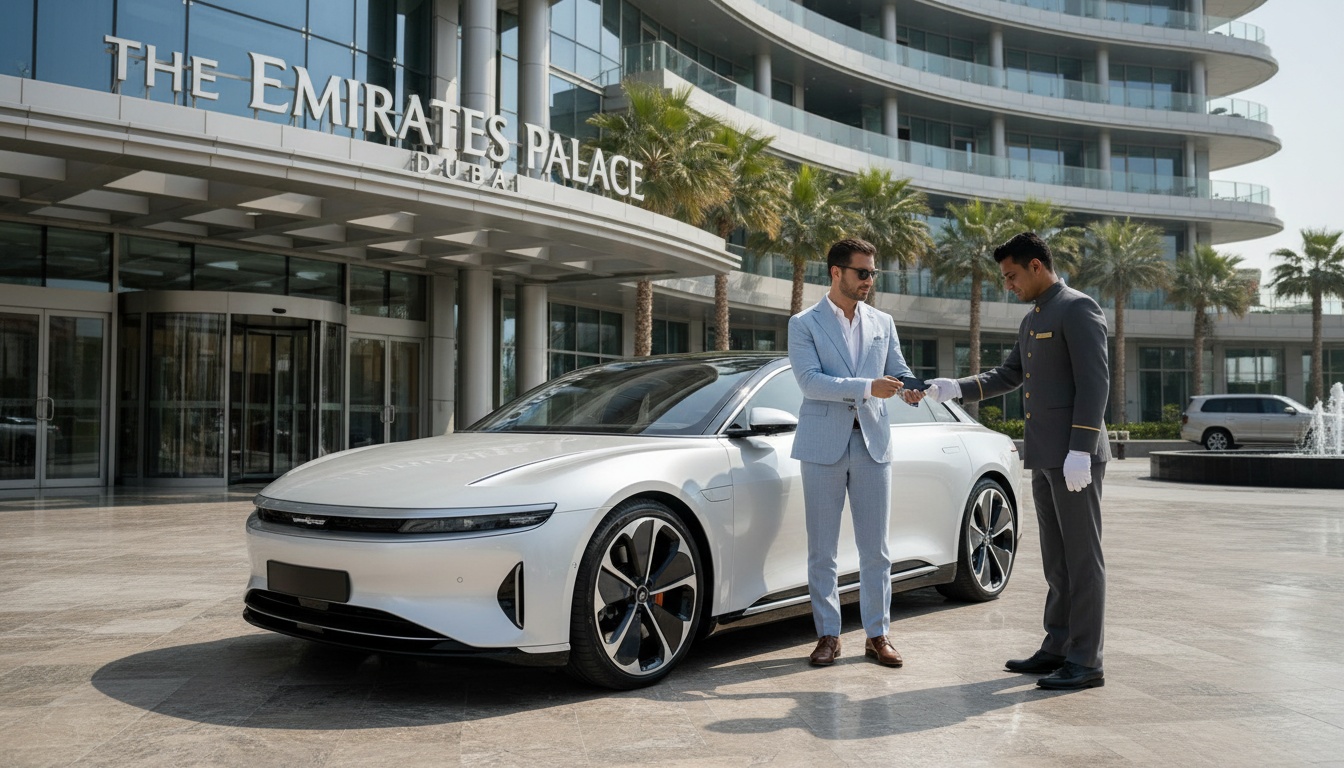
Handing your Tesla key card or tapping an app to grant valet access feels seamless — but what happens when that valet dents your bumper or drives off without permission? In 2026, UAE EV owners need to understand exactly how motor insurance in the UAE responds when no physical key is exchanged. This guide breaks down the legal gaps, coverage implications, and practical steps to protect yourself.
The Evolution of Access: Key Cards and App-Based Digital Keys in the UAE
The UAE's EV market has grown dramatically, with Tesla, BYD, MG, and Geely now commonplace in Dubai Mall parking decks and Abu Dhabi hotel forecourts. Alongside this shift, vehicle access has gone fully digital. Instead of a metal key, owners hand valets an NFC card, generate a temporary PIN, or — increasingly — tap a smartphone app to unlock and restrict the vehicle remotely.
This creates a new category of risk. Traditional UAE motor insurance policies were written when "handing over the keys" had a literal meaning. Today, the RTA (rta.ae) acknowledges digital access methods in its vehicle registration guidelines, but policy language across most comprehensive motor plans hasn't kept pace.
For EV owners interested in how software-related damage is handled more broadly, the guide on Chinese car infotainment screen damage insurance UAE 2026 offers useful parallel context on how insurers assess tech-specific claims.
Insurance Liability: Is a Valet Fail Covered Without a Physical Key?
The short answer: it depends on how you transferred access. UAE insurers in 2026 are drawing clearer distinctions between three scenarios:
| Access Method | Theft Liability Risk | Damage Claim Complexity | Insurance Status (Standard UAE Policy) |
|---|---|---|---|
| Physical Key Fob | Low (Standard) | Simple — proof of handover | Fully Covered |
| NFC Key Card | Low–Medium | Moderate — card transfer logged | Generally Covered |
| App Unlock (On-Site) | Medium | Moderate — digital audit trail needed | Usually Covered |
| Remote App Unlock | High | Complex — duty of care questioned | Potentially Disputed |
| Cyber-Theft via Valet App | Very High | Very Complex | Excluded (unless tech-rider added) |
Handing a key card directly to a valet on-site is broadly accepted as a transfer of custody. The challenge arises when owners remotely unlock their vehicle via a smartphone app for a valet they cannot physically supervise. In these cases, insurers may invoke "duty of care" clauses, arguing the owner did not take reasonable precautions.
Claims involving app-hacking or unauthorized feature access through valet portals are typically excluded from standard motor policies. The UAE Central Bank (centralbank.ae) has issued guidance encouraging insurers to clarify cyber-event exclusions in policy documentation — but most standard plans still require a separate technology rider for this coverage.
If you've recently had a valet incident and need to file, reviewing the guide to motor insurance claims for accident damage can help you understand what documentation insurers expect.
Managing Risk: Digital Valet Mode vs. Manual Handover Protocols
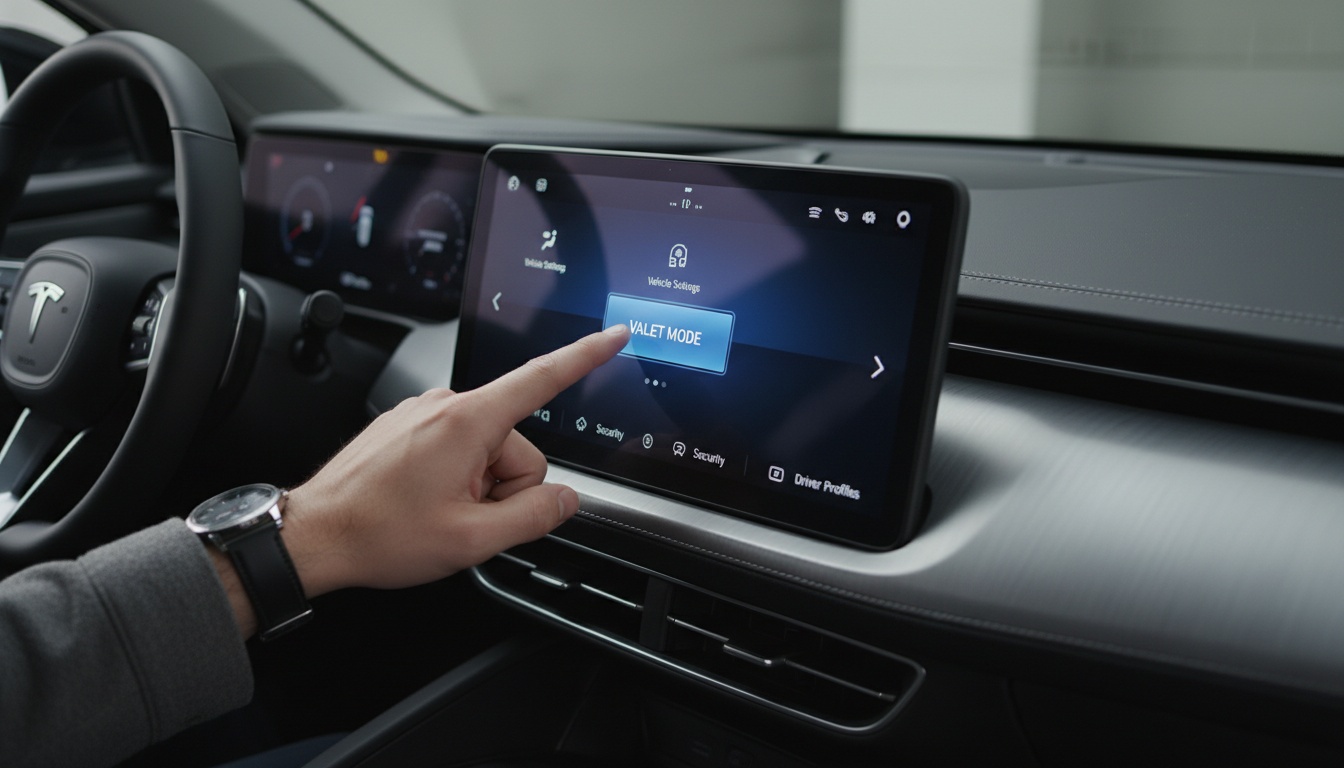
Most 2026 EVs sold in the UAE now include a dedicated Valet Mode. This software state limits top speed, restricts access to personal data, disables the glovebox, and logs all driving behavior. Tesla, BYD, and MG have each implemented versions recognized informally by UAE insurers as evidence of responsible handover.
The growth of Chinese EV brands in the UAE has introduced new standardized software-access protocols. Geely and Haval, for example, now publish UAE-specific valet guidelines within their owner apps. Understanding your brand's specific system matters — as explored in the Geely and Haval non-agency repair limits UAE 2026 guide, insurers treat these brands' software ecosystems with increasing nuance.
Manual handover protocols remain the safest option when Valet Mode isn't available. This means generating a one-time PIN rather than sharing your primary app credentials, and always collecting a valet ticket with the attendant's name and timestamp.
Compare & Choose on eSanad
Essential Checklist for EV Owners Using UAE Valet Services
Follow these steps every time you use valet parking in the UAE to protect your insurance coverage:
- Activate Valet Mode on your EV before arrival — not at the desk under pressure
- Hand over a key card or generate a one-time PIN rather than sharing app login credentials
- Avoid remote app unlocking unless the valet is physically present and visible to you
- Photograph your vehicle for pre-existing damage before handover — front, rear, and both sides
- Request a valet receipt with the attendant's name, time, and license plate confirmation
- Check your policy wording for "custody and control" and "authorized driver" definitions
- Ask your insurer whether a tech-rider is needed to cover cyber-access events
- Know your EV's data logs — these can serve as evidence if a dispute arises
EV owners can compare comprehensive motor insurance plans on eSanad to identify policies that include digital-access incident language and optional tech-riders.
Get a Free Quote Now
Conclusion
Bottom line: In 2026, UAE car insurance does generally cover valet-related damage — but the method of access matters enormously. Handing over a key card on-site is treated similarly to a physical key, while remote app unlocking creates coverage grey areas that insurers are increasingly willing to dispute. Cyber-theft via valet portals remains excluded from standard policies without a dedicated rider.
Protect yourself by activating Valet Mode, documenting every handover, and reviewing your comprehensive policy's digital-access language. Visit eSanad to compare, buy, and manage your EV motor insurance — all in one place.
Short Summary: UAE EV owners: understand how key cards and app access affect your motor insurance coverage when using valet parking in 2026.
Meta Description: Does UAE car insurance cover EV valet damage in 2026? Learn how key cards, app access, and Valet Mode affect your motor insurance claim rights.
Slug: ev-valet-key-card-app-access-uae-car-insurance-2026
FAQ
Does UAE car insurance cover damage if I only gave the valet a key card?
Yes, in most cases. Handing a key card to a valet on-site constitutes a transfer of custody and control under standard UAE Comprehensive Motor policies. Your insurer will typically process the damage claim normally, provided you have a valet receipt and documentation of the handover.
What happens if a valet crashes my EV while it is in Valet Mode?
Valet Mode limits vehicle behavior but does not change insurance liability. If the valet caused the accident while in authorized custody of your vehicle, your comprehensive policy should cover the damage. Activate Valet Mode and screenshot the confirmation before handover as supporting evidence.
Can an insurance claim be rejected if I remotely unlocked my car for a valet via the app?
Potentially, yes. Remote app-unlocking raises "duty of care" questions, as you were not physically supervising the handover. Insurers may argue you did not take reasonable precautions. To avoid disputes, always unlock the vehicle in person or use a key card instead.
Do Chinese EV brands like BYD or Geely have specific valet insurance requirements in the UAE?
Not formal requirements, but BYD and Geely have published UAE-specific valet app protocols that insurers increasingly recognize. Using these standardized access methods — rather than sharing primary credentials — strengthens your position in any claim scenario.
Who is responsible if a valet loses my Tesla key card in a Dubai mall?
The valet operator carries primary liability for lost access devices. However, you should immediately deactivate the lost card via the Tesla app and report it to mall security and Dubai Police. Your insurer will want documentation of deactivation timing to rule out unauthorized use after the loss.
Editorial note: This article is for general information and does not constitute insurance advice. Always confirm terms with your insurer.