

Motor Insurance
Flood History on Mulkiya: Comprehensive Insurance UAE 2026
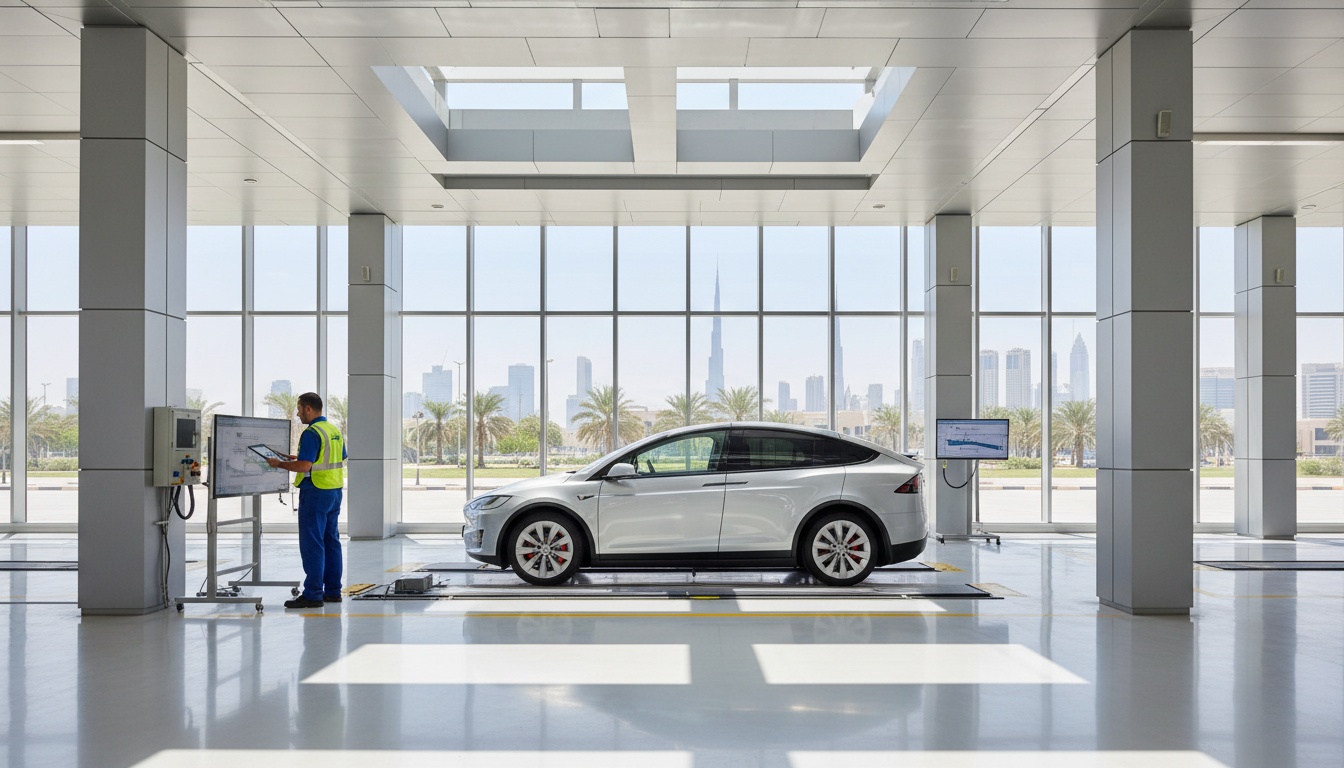
After the UAE's historic 2024 rainfall events, thousands of vehicle owners are now facing a critical question at renewal time: does a flood-damage record on your Mulkiya block comprehensive coverage in 2026? Thanks to the RTA and insurer database sync under new regulations, the answer is more complex — and consequential — than ever. You can compare motor insurance plans on eSanad to understand your real options before renewal.
The Digital Mulkiya: Understanding How Flood History is Recorded in 2026
The UAE's digital Mulkiya system has evolved significantly. In 2026, the Road and Transport Authority (RTA) now flags vehicles with verified flood damage through a permanent notation embedded in the vehicle's electronic file. This isn't a soft warning — it's a data point that every licensed insurer in the UAE can access in real time during the underwriting process.
The 2026 "Transparency Mandate" formally synced RTA inspection records with the UAE's unified insurance database, overseen by the Central Bank of the UAE. This means that when you apply for renewal, the underwriter instantly sees:
- Whether the vehicle underwent structural or mechanical repairs post-flood
- Whether a total loss was declared and the car re-registered
- The original claim amount and settlement category
The RTA technical inspection for 2026 renewals now includes a mandatory "Hydraulic Lock" check for all used vehicles — GCC and non-GCC alike. If engine internals show evidence of water ingestion that was never properly repaired, the vehicle can be denied a Mulkiya renewal entirely, before insurance even enters the picture.
For owners of Chinese EV models such as BYD or MG, the inspection also includes a battery cell integrity assessment. Learn more about how Chinese EV chassis failures can affect UAE insurance claims in 2026 before heading into renewal season.
Comprehensive vs. Third-Party: Eligibility Criteria for Flood-Affected Vehicles
Not all flood-damaged vehicles lose their right to comprehensive coverage, but the eligibility threshold has narrowed in 2026. Here is how the UAE insurance framework currently positions these vehicles:
| Damage Category | Mulkiya Status | Comprehensive Eligibility | Premium Loading Est. |
|---|---|---|---|
| Minor / Surface Water | Clear / No Notation | High (Standard) | 5% – 10% |
| Mechanical / Engine Repair | Structural Repair Recorded | Medium (Case-by-Case) | 25% – 40% |
| Total Loss Rebuilt | Salvage Title / Re-registered | Low (TPL Only) | N/A – Refusal Likely |
Under the 2026 Unified Motor Policy updates, insurers must explicitly list flood coverage limits within the schedule of benefits. If your vehicle falls into the "Structural Repair Recorded" category, expect underwriters to request a certified workshop inspection report before quoting.
Third-party liability (TPL) remains a legal right for all registered vehicles, regardless of flood history. Comprehensive coverage, however, is entirely at the insurer's discretion based on the vehicle's assessed risk profile. If you're unsure whether your vehicle qualifies, reviewing a comprehensive vs third-party UAE insurance guide can clarify your position before you apply.
Insurance Tiering: How UAE Insurers Categorize Previous Natural Disaster Claims
Since the April 2024 floods, UAE insurers have restructured their internal risk pools. In 2026, most major insurers operate a three-tier categorization for natural disaster claim history:
Tier 1 – Standard Risk: No flood claim on record, or a minor surface-water claim fully settled and closed. Eligible for comprehensive renewal at standard market rates with a modest loading of up to 10%.
Tier 2 – Elevated Risk: One or more flood claims involving engine, transmission, or electrical system repair. Comprehensive coverage offered case-by-case, with premium loading between 25% and 40%. Mandatory vehicle inspection required.
Tier 3 – High Risk / Declined: Total loss declaration followed by re-registration, or battery-level water exposure in EVs without certified remediation. Comprehensive coverage typically refused. TPL offered at standard rates.
Under 2026 UAE Central Bank regulations, insurers must now provide a written "Reason for Loading" if flood history contributes to a premium increase. This is a critical consumer protection — if you receive an inflated quote, you are entitled to a formal explanation.
Owners of Chinese EVs such as BYD, MG, or Chery with a flood history face additional battery integrity checks. Given the resale implications, also review Chinese SUV resale values and total loss payouts in UAE 2026 to understand how a flood notation affects your vehicle's insurable value.

Compare & Choose on eSanad
Critical Factors Influencing Your 2026 Motor Insurance Renewal Success
Several factors determine whether your renewal will succeed and at what cost:
Repair certification level: Agency-level repairs carry significantly more weight than independent workshop repairs during underwriting. Always obtain a repair completion certificate from an RTA-approved agency.
Time elapsed since the claim: A flood claim from 2024 still affects 2026 premiums, but vehicles with two clean inspection cycles since repair are treated more favorably by underwriters.
Vehicle age and market value: Insurers assess the current market value against potential claim exposure. Older vehicles with flood history may be declined simply because the sum insured cannot justify the risk.
EV-specific battery documentation: For BYD, MG, or other Chinese EV owners, a battery health report from an authorized service center is increasingly mandatory. Refer to the EV flood damage basement parking UAE insurance guide for step-by-step documentation advice.
No-Claims Discount (NCD) impact: A flood claim typically resets or reduces your NCD, affecting your base premium before any loading is applied.
Get a Free Quote Now
Conclusion
Bottom line: A flood history on your Mulkiya is no longer a manageable footnote — in 2026, it is a formally recorded data point that every UAE insurer accesses instantly. Your ability to secure comprehensive coverage depends on the severity of past damage, the quality of certified repairs, and the documentation you present at renewal. Act early, gather your repair certificates, and explore your options through a platform that compares multiple insurers at once.
Short Summary: Flood history on your UAE Mulkiya now permanently affects comprehensive insurance eligibility — here's what to do in 2026.
Meta Description: Flood history on your Mulkiya can block comprehensive car insurance in UAE 2026. Learn how RTA records affect renewal and what to do now.
Slug: flood-history-mulkiya-comprehensive-insurance-renewal-uae-2026
FAQ
Does a flood claim from 2024 still affect my premium in 2026?
Yes. UAE insurers retain claim history for a minimum of five years in their risk databases. A 2024 flood claim will influence your 2026 premium, though vehicles with two clean inspection cycles post-repair are treated more favorably.
Can the RTA refuse to renew my Mulkiya if the car has unaddressed flood damage?
Yes. The 2026 RTA technical inspection includes a hydraulic lock check. If unresolved flood damage is detected — particularly engine or structural damage — the RTA can withhold Mulkiya renewal until the vehicle passes a certified re-inspection.
Will comprehensive insurance cover my Chinese EV if it has a history of battery-level water exposure?
This depends on documented remediation. Insurers require a battery health certificate from an authorized service center. Without it, most insurers will either decline comprehensive coverage or classify the vehicle as Tier 3 (high risk).
Is it possible to remove a flood notation from a vehicle file after a certified repair?
Partial removal is possible. An RTA-certified agency repair, followed by a successful technical inspection, can update the vehicle's status. However, insurer risk databases may retain the original claim record independently of the RTA file.
What is the difference between a "Total Loss" and a "Flood-Damaged" status on the RTA system?
A "Flood-Damaged" status indicates the vehicle sustained water-related damage and was repaired. A "Total Loss" status means the insurer declared the vehicle beyond economic repair; if the owner retained and re-registered it, it carries a salvage flag — the most restrictive category for comprehensive insurance eligibility.
Editorial note: This article is for general information and does not constitute insurance advice. Always confirm terms with your insurer.