

Travel Insurance
Nepal Trekking 2026: Altitude Limits in UAE Travel Policies
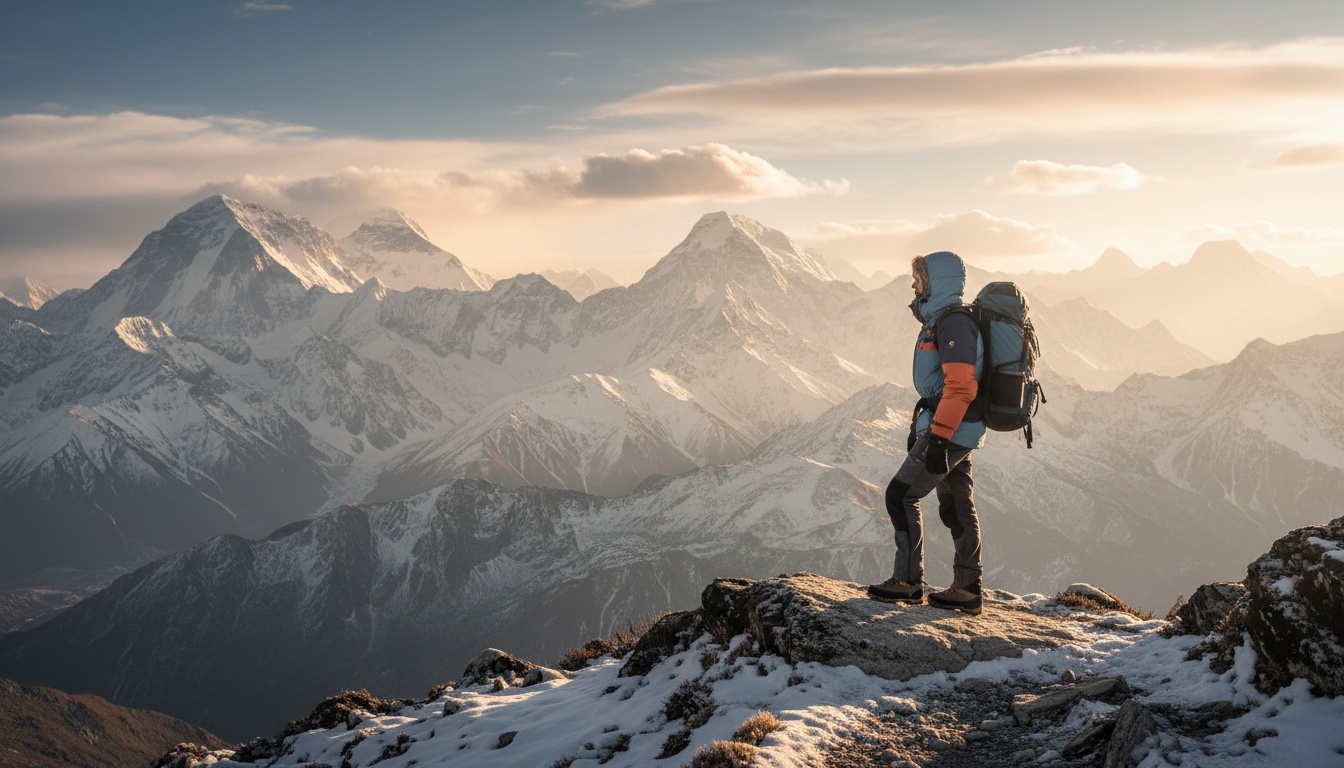
Planning a Nepal trek this spring? Before you lace up your boots, there's one thing more critical than your gear list: understanding the altitude exclusions buried in your UAE travel insurance policy. Most standard plans stop covering you well before you reach Everest base camp — and with 2026 Nepal trekking regulations adding new summit requirements, UAE residents face real financial exposure if they don't read the fine print.
Understanding Altitude Limits in UAE Travel Insurance Policies
Most UAE residents assume their "Worldwide" travel policy covers any destination — including the Himalayas. That assumption can cost tens of thousands of dirhams.
UAE-issued travel insurance policies typically include altitude exclusion clauses that cap medical coverage between 2,500m and 3,000m above sea level. Everest Base Camp alone sits at 5,364m. Beyond that limit, your emergency medical evacuation, search and rescue, and hospital coverage may be completely void.
Key points to understand:
- Standard exclusion language often reads: "This policy does not cover injuries or illness arising from activities at altitudes exceeding 3,000 metres unless an adventure rider is purchased."
- Search and rescue is a separate benefit from emergency medical repatriation — both must be explicitly listed.
- Helicopter evacuation from the Khumbu region routinely costs over $5,000 USD, and Nepali operators require upfront payment guarantees from insurers before dispatch.
The UAE Central Bank requires insurers to clearly disclose exclusion clauses in policy wording, so these limits are technically available to you — but they're rarely highlighted at point of sale.
For a broader look at what standard plans often miss, the guide on understanding exclusions in UAE multi-trip travel policies is an essential read before you book.
Nepal 2026 Trekking Regulations: What UAE Residents Need to Know
Nepal's government introduced a landmark regulation effective in 2026: climbers attempting Everest (8,849m) must now hold a 7,000m summit certificate, proving prior experience on a peak of equivalent altitude before a permit is granted. This change directly affects the insurance landscape for UAE-based adventure travelers.
Here's why this matters for your coverage:
- Attempting a qualifying 7,000m peak — such as Aconcagua or Denali — requires specialist mountaineering insurance, not a standard adventure add-on.
- The TIMS card (Trekkers' Information Management System) is still mandatory for all Nepal trekking routes, and some insurers now require proof of a valid TIMS card to process claims.
- Nepal's spring trekking season (March–May) is peak season for Lukla airport weather delays. Your policy must cover the full trip duration, including forced extensions caused by flight disruptions.
The Ministry of Foreign Affairs (MOFA UAE) advises residents to verify travel advisories and insurance requirements before departure to high-risk adventure destinations. You can check current guidance at www.mofa.gov.ae.
If you've already secured a Nepal permit and are now reviewing coverage gaps, the article on emergency evacuation coverage in international travel insurance offers a practical comparison of what evacuation policies actually pay.
Comparing Standard vs. Adventure Travel Insurance for High Altitude
Understanding exactly where your current plan draws the line is the fastest way to identify your gap.
Common Altitude Limits in UAE Travel Insurance Tiers
| Coverage Type | Typical Altitude Limit | Medical Evacuation Support |
|---|---|---|
| Standard Policy (Schengen/Worldwide) | Up to 2,500m–3,000m | Emergency medical only; no SAR |
| Adventure Sport Add-On | Up to 4,500m–6,000m | Evacuation included; SAR often excluded |
| Specialist Mountaineering Policy | 6,000m–8,849m | Full SAR, evacuation, and repatriation |
The gap between an adventure add-on and a specialist mountaineering policy is significant — both in price and in what's actually paid when things go wrong.
UAE residents planning a Manaslu Circuit or Island Peak climb need at minimum an adventure sport add-on. Those pursuing Everest or any 7,000m+ qualifying summit need a specialist mountaineering policy with explicit search and rescue language.
You can compare travel insurance plans on eSanad to identify which tiers include adventure riders and what altitude limits apply before you pay.

Compare & Choose on eSanad
Pre-Departure Checklist: Securing the Right Coverage for Nepal
Before your flight to Kathmandu, run through this checklist:
- Confirm your policy's altitude ceiling — request the full exclusion schedule in writing.
- Add an adventure sport rider if your plan caps at 3,000m; upgrade to specialist mountaineering cover for 7,000m+ routes.
- Verify "search and rescue" is explicitly included — not just "emergency medical repatriation."
- Check helicopter evacuation cover — confirm your insurer can issue a payment guarantee to Nepali operators, not just reimburse you afterward.
- Ensure duration covers delays — Lukla closures can add 2–5 unplanned days to any itinerary.
- Carry proof of your trekking route — GPS logs, permit copies, and TIMS cards are all accepted as claim documentation.
- Pre-existing conditions — altitude sickness history may be excluded; declare it upfront to avoid claim denial.
Also useful for UAE travelers navigating international coverage decisions: the overview on medical emergencies abroad for UAE residents covers how policy limits translate to real-world emergency costs.
Get a Free Quote Now
Conclusion
Bottom line: Nepal trekking in 2026 demands more than a standard UAE travel insurance policy. Altitude exclusions, the new 7,000m summit requirement, and helicopter evacuation costs can expose you to significant financial risk if your plan hasn't been upgraded to include adventure or specialist mountaineering cover. Review your policy's altitude limits now, add the right rider, and confirm search and rescue is explicitly included.
Short Summary: UAE travel policies cap altitude coverage at 2,500m–3,000m — here's how to upgrade before your 2026 Nepal trek.
Meta Description: Nepal trekking in 2026? Most UAE travel insurance policies exclude altitude above 3,000m. Learn what cover you actually need before you go.
Slug: nepal-trekking-2026-altitude-limits-uae-travel-insurance
Explore eSanad →
FAQ
Does my standard UAE travel insurance cover helicopter rescue in Nepal?
In most cases, no. Standard UAE travel policies exclude rescue operations above 2,500m–3,000m. Helicopter evacuation in Nepal requires an adventure add-on or specialist mountaineering policy with explicit search and rescue coverage.
What is the maximum altitude limit for most UAE-based travel policies?
Most standard UAE policies cap medical coverage at 2,500m to 3,000m. Adventure sport riders extend this to around 4,500m–6,000m. Only specialist mountaineering policies cover altitudes up to 8,849m.
Do I need specific insurance for the 7,000m summit requirement in 2026?
Yes. Nepal's 2026 Everest mandate requires climbers to have summited a 7,000m+ peak previously. Attempting those qualifying peaks also requires a specialist mountaineering policy, not a standard adventure add-on.
Are pre-existing altitude sickness conditions covered under UAE plans?
Generally no, unless declared at the time of purchase and accepted by the insurer. Undisclosed altitude sickness history is a common grounds for claim rejection. Always declare relevant conditions when buying your policy.
How do I prove my trekking route to the insurer if I need to claim?
Insurers typically accept a combination of GPS route logs, your Nepal trekking permit, TIMS card, and any guide or agency documentation. Keep digital copies accessible throughout your trek.
Editorial note: This article is for general information and does not constitute insurance advice. Always confirm terms with your insurer.