

Travel Insurance
Ramadan Umrah 2026 Travel Insurance for UAE Pilgrims
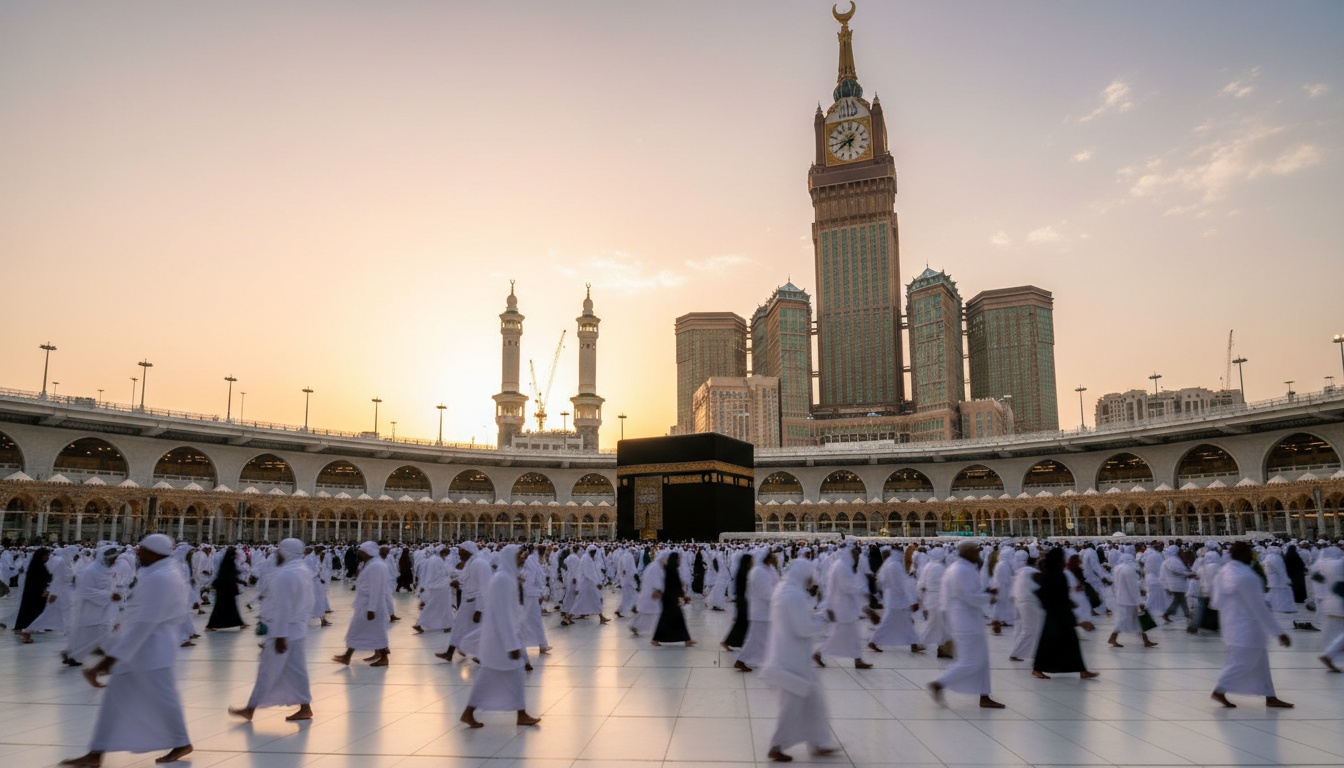
Performing Umrah during Ramadan 2026 is a spiritually profound journey — but fasting in Makkah's climate introduces real medical risks that many UAE pilgrims overlook. From dehydration-triggered heat exhaustion to Iftar-related digestive emergencies, understanding exactly what your travel insurance for Umrah covers could make the difference between a protected pilgrimage and a costly medical crisis.
Understanding Umrah Travel Insurance Requirements for UAE Residents in 2026
All pilgrims entering Saudi Arabia for Umrah are required under Saudi Ministry of Hajj and Umrah regulations to hold a valid health insurance policy. For UAE residents, this typically means obtaining the mandatory 90-day Saudi pilgrim insurance at the point of visa issuance — but this policy has critical limitations that are rarely explained upfront.
The mandatory Saudi coverage is designed for emergency stabilization only. It pays for initial treatment in a government facility but does not cover medical evacuation, specialist consultations, trip cancellations, or extended hospitalization. For elderly pilgrims and those with chronic conditions like diabetes or hypertension, this gap can be financially devastating.
UAE residents should also note that the UAE Ministry of Foreign Affairs (mofa.gov.ae) advises travelers to carry comprehensive private insurance regardless of destination-mandated minimums. Meningococcal vaccination is a non-negotiable entry requirement for Umrah — though the cost is preventive and almost never reimbursed by travel policies.
For frequent Saudi visitors, reviewing whether a single-trip or multi-trip travel insurance policy better suits your needs is a smart first step.
Common Ramadan Health Risks: What Your Insurance Covers During Fasting and Iftar
Ramadan 2026 falls in March, which brings milder temperatures than peak summer — but Makkah's heat and humidity remain significant, especially during the Tawaf and Sa'i rituals performed between dawn and sunset while fasting. The most common medically insured events pilgrims face include:
- Heat exhaustion and fainting from prolonged fasting and physical exertion during Umrah rituals
- Severe dehydration leading to kidney complications, particularly in pilgrims over 60
- Iftar digestive emergencies — food poisoning, gastroenteritis, or acute indigestion from large post-fast meals
- Diabetic episodes — hypoglycemia in pilgrims who fast against medical advice
- Cardiovascular events triggered by exertion and fluid loss
Most UAE private travel policies cover these events if they are "sudden and unforeseen." The critical phrase: a fasting pilgrim who collapses from heat exhaustion can typically claim, but a diabetic who fails to declare their condition before purchasing the policy may face a rejected claim. Understanding how to declare pre-existing conditions correctly is therefore essential before you travel.
If you experience food poisoning after Iftar, know that many UAE travel policies do cover this — but documentation is everything. Read our dedicated guide on food poisoning travel insurance claims for the exact steps to follow.
Mandatory Saudi Pilgrim Insurance vs. Private UAE Travel Policies: A Detailed Comparison
Understanding the gap between what is legally required and what actually protects you is the most important financial decision of your Umrah trip.
| Feature | Mandatory Saudi Pilgrim Policy | UAE Private Travel Insurance |
|---|---|---|
| Coverage Limit | Fixed emergency only | Up to AED 1,000,000+ |
| Medical Evacuation | Limited / basic | Full repatriation included |
| Trip Cancellation | Not covered | Included (incl. Ramadan flight delays) |
| Iftar Food Poisoning | Emergency stabilization only | Full outpatient and inpatient cover |
| Pre-Existing Conditions | Excluded | Covered if declared at purchase |
| Loss of Passport | Not covered | Covered (critical during final 10 days) |
| Hospital Network | Government facilities only | Private hospitals in Makkah and Madinah |
The Saudi Red Crescent provides excellent initial emergency response, but private hospitals in the Masjid al-Haram vicinity — which are faster and closer during the congested final ten days of Ramadan — will typically require your private insurer's guarantee of payment before proceeding with treatment.
Ramadan flight delays are also a real risk in 2026; understanding how flight price surges affect your UAE travel insurance helps ensure you are not left out of pocket if your departure is disrupted.

Compare & Choose on eSanad
Pre-Travel Checklist: Ensuring Comprehensive Coverage for Your Ramadan Umrah
Before you depart for Saudi Arabia this Ramadan, run through this checklist:
- Confirm your UAE travel policy covers Saudi Arabia — most comprehensive plans do, but verify the geographic scope.
- Declare all pre-existing conditions in writing at purchase — diabetes, hypertension, and heart conditions are the most common causes of Umrah claim denials.
- Check medical evacuation coverage — confirm full repatriation to the UAE is included, not just transfer to the nearest hospital.
- Carry your meningococcal vaccination certificate — required for entry; the cost is not reimbursable but is non-negotiable.
- Save your insurer's 24/7 emergency helpline offline on your phone — network access near the Haram can be unreliable during peak hours.
- Keep all original receipts from any pharmacy or clinic visit in Saudi Arabia — photocopies are routinely rejected in UAE insurance claims.
- Check passport validity and ensure your policy includes loss of passport cover, especially for the final ten crowded days of Ramadan.
Get a Free Quote Now
Conclusion
Bottom line: Ramadan Umrah 2026 travel insurance for UAE pilgrims is not a formality — it is essential financial protection against real, fasting-related medical risks in Makkah. The mandatory Saudi pilgrim policy covers only emergency stabilization, leaving dangerous gaps in evacuation, cancellation, and chronic condition coverage. Supplement it with a comprehensive private plan before you travel.
Short Summary: UAE pilgrims doing Umrah in Ramadan 2026 need more than the mandatory Saudi insurance — here's what comprehensive travel cover actually protects.
Meta Description: Planning Ramadan Umrah 2026 from UAE? Discover what travel insurance covers for fasting risks, Iftar illness, and Saudi insurance gaps. Get covered on eSanad.
Slug: ramadan-umrah-2026-travel-insurance-uae-pilgrims-fasting-coverage
Explore eSanad →
FAQ
Does travel insurance cover fainting or exhaustion caused by fasting during Umrah?
Yes — most UAE private travel insurance policies cover sudden medical emergencies including fainting and heat exhaustion, provided the event is unforeseen. Ensure your policy is active before departure and retain all hospital documentation for your claim.
Is the 90-day Saudi health insurance sufficient for UAE expats, or do I need extra cover?
The mandatory Saudi pilgrim insurance covers only emergency stabilization in government hospitals. UAE expats are strongly advised to purchase a comprehensive private travel policy that includes medical evacuation, trip cancellation, and private hospital access in Makkah and Madinah.
Will I be covered for food poisoning or digestive issues after Iftar?
Yes, if your UAE travel insurance policy includes medical expense coverage for sudden illness. Food poisoning following Iftar qualifies as an unforeseen medical event. Keep all receipts and a written medical diagnosis from the treating facility to support your claim.
Are pre-existing conditions like diabetes covered if complications arise while fasting?
Only if the condition was declared at the time of purchasing the policy. Undeclared pre-existing conditions are a leading cause of rejected claims. Always disclose diabetes, hypertension, or heart conditions fully and in writing before your policy is issued.
How do I find a network hospital in Makkah or Madinah that accepts my UAE insurance?
Contact your insurer's 24/7 emergency assistance line immediately upon needing care — they will identify a direct-billing network hospital near you. Save this number offline before departing the UAE, as connectivity near the Masjid al-Haram can be limited.
Editorial note: This article is for general information and does not constitute insurance advice. Always confirm terms with your insurer.