

Travel Insurance
Travel Insurance Altitude Limits for Spring 2026 Hikes
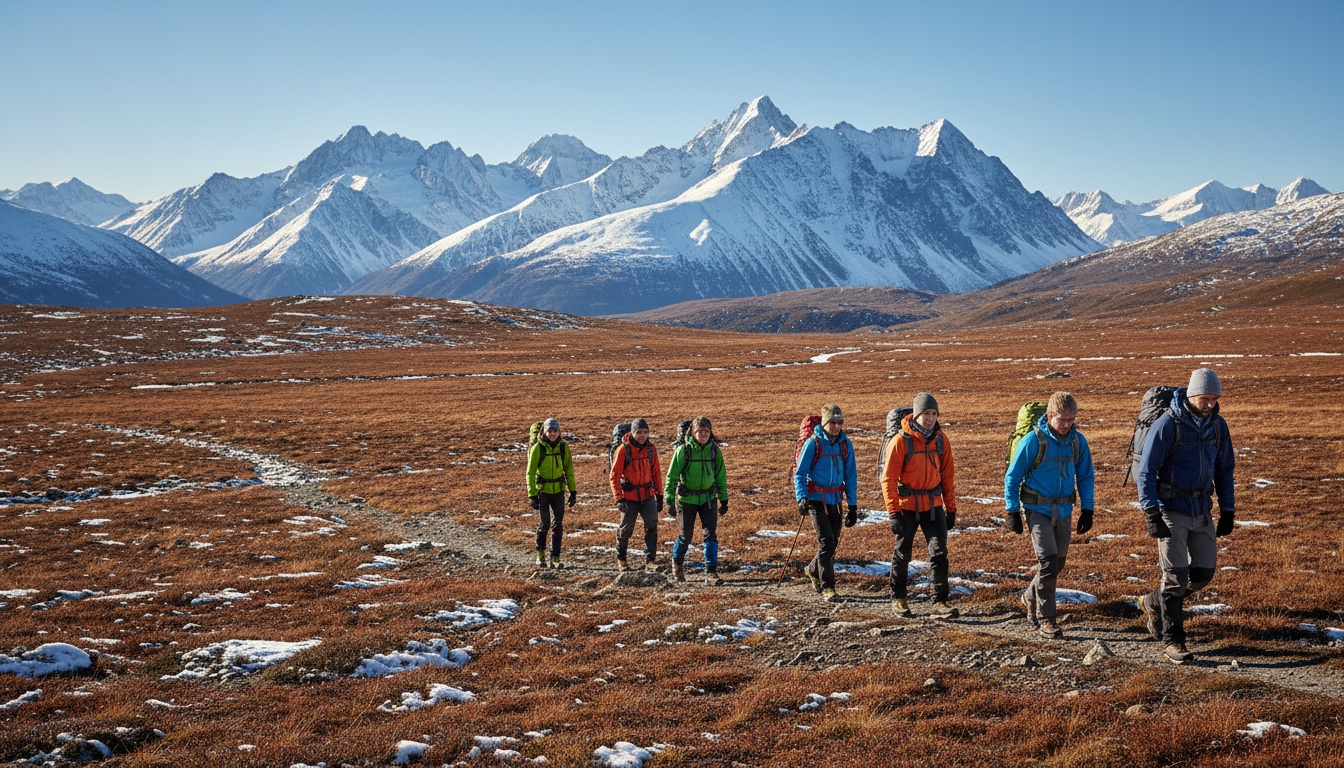
Planning a high-altitude trek this spring? Before you book your Everest Base Camp permit or Inca Trail slot, you need to know the hidden altitude gap buried in most UAE travel insurance policies. Many standard plans stop covering you at 2,500 meters — a threshold that popular 2026 destinations like Nepal, Peru, and Tanzania blow past entirely. Here's what to check before you lace up your boots and compare travel insurance plans on eSanad.
Understanding Altitude Limits in UAE Travel Insurance Policies
Most UAE-issued travel policies define "hiking" as a leisure activity — and cap that coverage at a specific elevation, typically between 2,000 and 3,000 meters above sea level. Cross that invisible line, and your medical expenses, emergency evacuation, and even repatriation costs may fall entirely outside your policy.
This isn't a minor technicality. Helicopter rescue from remote mountain terrain can cost upwards of $15,000 USD, and basic plans almost universally exclude it. The UAE Central Bank requires insurers to provide clear Policy Disclosure Statements (PDS) outlining exclusions — but these are often buried in fine print that travelers skip entirely.
There's also an important definitional split: insurers distinguish between leisure hiking (walking marked trails at moderate elevation) and mountaineering (routes involving ropes, crampons, or professional guides). Many trekkers assume they fall into the first category — and then discover after a claim that their insurer classified their Kilimanjaro summit attempt as mountaineering.
For a broader look at how basic plan exclusions can catch travelers off-guard, see our guide on extreme sports excluded from UAE travel plans.
Global Trekking Hotspots for Spring 2026 and Their Elevation Realities
Spring 2026 is shaping up to be a peak season for adventure travel. Nepal has opened its trekking corridors, Peru's Inca Trail permits are already selling out, and Tanzania's Kilimanjaro routes are experiencing record bookings from UAE-based travelers. The problem? Every one of these destinations sits far above the altitude ceiling in standard UAE travel insurance.
| Activity / Destination | Typical Elevation (Meters) | Coverage Status (Standard Policy) |
|---|---|---|
| Jebel Jais, UAE | 1,934m | Generally Covered |
| Swiss Alps Day Hike | ~2,200m | Borderline — Check Policy |
| Everest Base Camp, Nepal | 5,364m | Excluded — Requires Specialist Rider |
| Mount Kilimanjaro, Tanzania | 5,895m | Excluded — Requires Extension |
| Inca Trail High Pass, Peru | 4,215m | Excluded — Requires Extension |
| Annapurna Circuit Peak | 5,416m | Excluded — Requires Specialist Rider |
Spring permit requirements for trails like the Inca Trail and Kilimanjaro now frequently require proof of specific adventure or high-altitude insurance before you're allowed on the trail. Showing up with a basic UAE visa-linked policy will not satisfy these requirements.
If your spring plans include Europe's Alps at lower elevations, check our guide on Schengen visa insurance rules for 2026 to confirm your policy meets embassy requirements.
Standard Coverage vs. Extreme Sports Extensions in UAE Travel Insurance
Understanding what you're buying is the single most important step for any adventure traveler in 2026. Here's how the two tiers compare:
Standard Travel Insurance (UAE):
- Medical emergencies covered up to a set limit (often AED 250,000–500,000)
- Altitude ceiling: 2,000–3,000m depending on insurer
- No helicopter evacuation from remote terrain
- No search and rescue (SAR) cost coverage
- Pre-existing conditions, including respiratory issues, typically excluded
Adventure / Extreme Sports Rider:
- Altitude coverage extended to 5,500m–7,000m+
- Emergency helicopter evacuation explicitly included
- SAR costs covered (sometimes capped at $50,000–$100,000 USD)
- Altitude sickness (AMS) medical treatment covered
- Return of remains clause included for high-altitude incidents
The distinction matters enormously. If you've had previous respiratory conditions, those may also affect altitude sickness (AMS) claims even under adventure riders — so disclose fully when applying.
For context on why high medical cover is non-negotiable on international adventure trips, our USA summer trip medical cover guide outlines exactly how fast emergency costs accumulate abroad.
Compare & Choose on eSanad
Pre-Departure Checklist for Insuring High-Altitude Treks in Spring 2026
Before your expedition departs, work through this checklist:
- Confirm your policy's altitude ceiling — Get this in writing, not just from a sales agent verbally.
- Purchase an adventure sports rider — Standard policies won't cover Everest Base Camp, Kilimanjaro, or any route above 3,000m.
- Verify helicopter evacuation is explicitly covered — SAR costs must be listed, not implied.
- Check the "mountaineering" definition — If your route uses guides, fixed ropes, or crampons, confirm your insurer classifies it as covered trekking, not mountaineering.
- Disclose pre-existing conditions — Respiratory or cardiac history can affect both approval and AMS claim validity.
- Review the Return of Remains clause — Confirm it applies to remote high-altitude locations.
- Save emergency contacts offline — The Ministry of Foreign Affairs UAE (mofa.gov.ae) maintains country-specific travel advisories and emergency contact lists.
For readers also planning to insure helicopter rescue specifically in mountain destinations, our dedicated guide on hiking in Georgia and helicopter rescue cover covers this in detail.
Get a Free Quote Now
Conclusion
Bottom line: The altitude gap in UAE travel insurance is real, measurable, and directly relevant to every Spring 2026 trekker planning routes above 3,000 meters. Standard policies — including visa-linked cover — will leave you exposed on the trails that matter most. Upgrading to an adventure rider before departure is not optional; for destinations like Nepal, Peru, and Tanzania, it's a trail entry requirement.
Short Summary: Most UAE travel policies cap hiking cover at 2,500m — far below Spring 2026 destinations like Everest Base Camp or Kilimanjaro.
Meta Description: Spring 2026 trekkers: your UAE travel insurance may stop covering you at 2,500m. Learn the altitude gap and how to fix it before you go.
Slug: travel-insurance-altitude-limits-spring-2026-hiking-uae
Explore eSanad →
FAQ
What is the standard altitude limit for basic travel insurance in Dubai?
Most basic UAE travel insurance policies cap hiking coverage between 2,000 and 3,000 meters above sea level. Anything above that threshold — including popular destinations like Everest Base Camp or Kilimanjaro — typically requires a specialist adventure sports rider.
Does my UAE visa-linked travel insurance cover mountain rescue?
No. Visa-linked policies are entry-level products designed for travel disruptions and basic medical emergencies. They almost universally exclude helicopter rescue, search and rescue (SAR) costs, and high-altitude emergencies. You need a standalone travel policy with an adventure rider.
Is "trekking" defined differently than "hiking" in UAE insurance terms?
Yes, and this distinction causes many claim denials. Insurers typically define leisure hiking as walking marked trails at low-to-moderate elevation. Trekking involving guides, fixed ropes, crampons, or altitudes above 3,000m is often reclassified as mountaineering — which requires separate coverage.
Will my travel policy cover altitude sickness (AMS) medical expenses?
Only if your policy includes an adventure sports rider that explicitly lists acute mountain sickness (AMS) as a covered condition. Pre-existing respiratory conditions may also create complications with AMS claims, so full disclosure when purchasing is essential.
Do I need a separate rider for search and rescue (SAR) costs on high-altitude treks?
SAR costs are rarely included in standard travel insurance. They are typically available only as part of a specialist adventure extension. Given that SAR operations in Nepal or Peru can cost tens of thousands of dollars, this coverage is not optional for serious trekkers.
Editorial note: This article is for general information and does not constitute insurance advice. Always confirm terms with your insurer.