

Travel Insurance
Travel Insurance Price Hike 2026: Beat 25% Higher Premiums
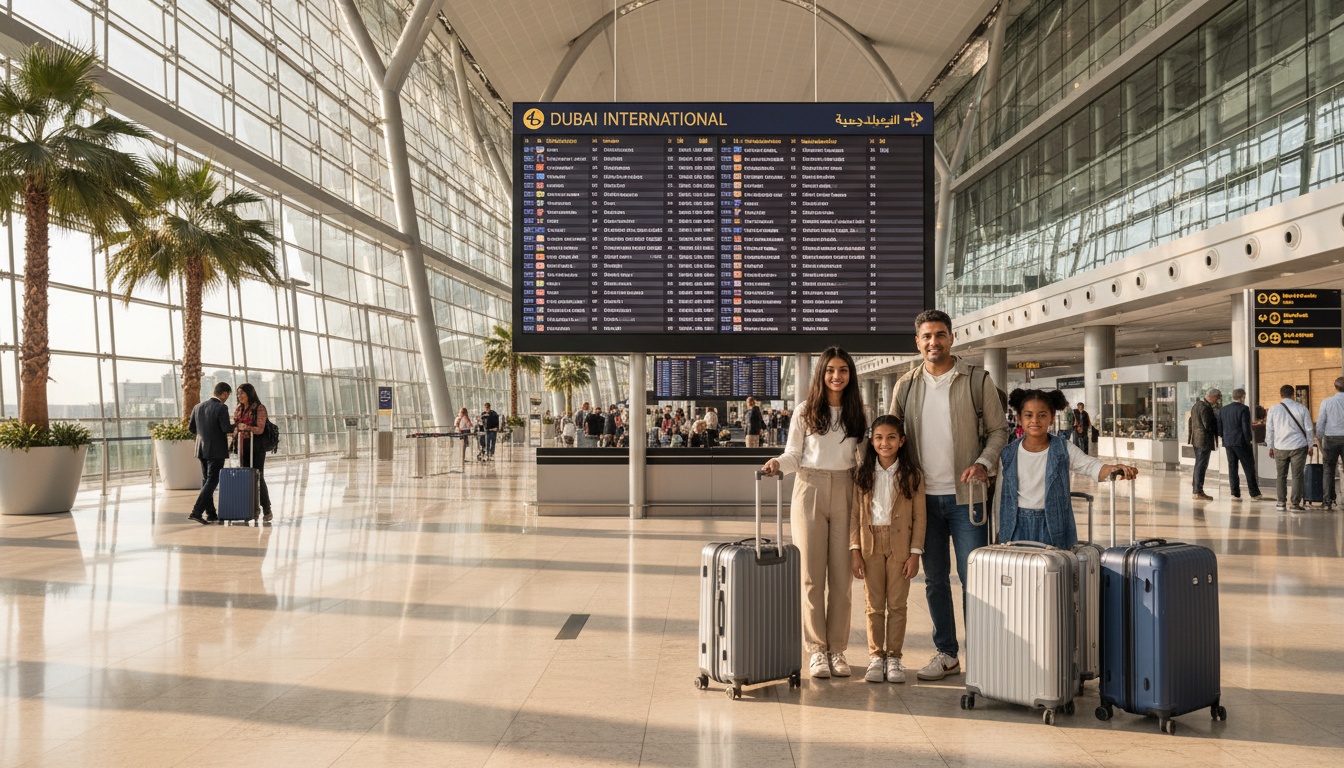
Travel insurance premiums in the UAE have surged by up to 25% in 2026, catching expats and frequent flyers off guard before peak travel season. Whether you're planning a Schengen trip, a US family holiday, or corporate travel, understanding what's driving this hike — and how to respond — can protect both your journey and your wallet. Compare your options at eSanad before your next booking.
Understanding the 2026 Travel Insurance Landscape in the UAE
The UAE travel insurance market entered 2026 in a state of significant transition. Following new consumer protection guidelines issued by the Central Bank of the UAE, insurers were required to widen mandatory minimum benefits and improve claims transparency. Simultaneously, the launch of Sanadak — the UAE's independent financial and insurance ombudsman — introduced compliance obligations that insurers have factored into their 2026 pricing models.
For UAE residents, this means travel policies that once seemed straightforward now carry higher base premiums — particularly for policies covering pre-existing medical conditions, trip cancellation, and emergency evacuation abroad.
It's also worth noting that inbound visitor insurance has seen parallel cost increases, reflecting the rising cost of private healthcare across the UAE. If you're a frequent traveler, reviewing your options early is critical.
Primary Drivers of the 25% Premium Hike: Medical Inflation and Reinsurance Costs
Global medical inflation has hit a 15-year high, and travel insurers are not immune. Hospitalization costs in the US, UK, and EU — the most common destinations for UAE travelers — have risen sharply, directly inflating the claims that insurers must settle.
Key factors behind the 2026 premium surge include:
- Global medical inflation: ICU and surgical costs abroad have risen 18-22% since 2024, particularly in the USA, where our guide on medical evacuation costs 2026 details why $50,000 in coverage is no longer sufficient.
- Reinsurance cost increases: Global reinsurers, who back local insurers' risk pools, raised rates in 2025-2026 following record catastrophic event payouts worldwide.
- Pre-existing condition riders: The sharpest price increases are on policies that cover chronic or pre-existing conditions, as claim utilization rates climbed significantly post-pandemic.
- Sanadak compliance costs: Administrative overhead to comply with Sanadak's reporting and dispute resolution framework has been passed, in part, to policyholders.
- Digital-only incentives: Insurers are introducing "Smart Premium" pricing where fully digital claims processing can reduce your rate by 5-8% — a tangible offset to the overall hike.
Understanding these drivers helps you evaluate whether a higher premium reflects genuine added protection — or simply cost pass-through.
Impact Analysis: Schengen Visas, Worldwide Coverage, and Student Travel
For UAE residents applying for Schengen visas, the mandatory minimum of €30,000 medical coverage remains non-negotiable under EU consulate requirements. As our detailed guide on Schengen travel insurance 2026 explains, that minimum is increasingly considered inadequate for actual medical costs in Western Europe — yet it still forms the baseline that drives pricing.
Here's how the 2026 hike maps across common UAE traveler profiles:
| Travel Category | Typical 2025 Premium (AED) | Estimated 2026 Premium (AED) | Key Protection Benefit |
|---|---|---|---|
| Schengen Area (Individual, 14 days) | 180 | 225 | €30,000 medical, trip cancellation |
| Worldwide incl. USA/Canada (Individual, 14 days) | 420 | 525 | USD 500,000 medical, evacuation |
| Annual Multi-Trip (Frequent Flyer, worldwide) | 1,100 | 1,375 | Unlimited trips, 90-day per trip cap |
Student travelers face a double impact: universities in the UK and EU now require higher minimum medical limits, and UAE student travel policies have been revised upward accordingly. For families planning group travel, the UAE family travel insurance spring break guide is essential reading before departure.

Compare & Choose on eSanad
Strategic Comparison: Single-Trip vs. Annual Multi-Trip Policies in 2026
With premiums rising across the board, the single-trip vs. annual multi-trip decision has never been more financially significant. If you travel three or more times per year internationally, an annual multi-trip policy almost always delivers superior value — and in 2026, it can effectively lock in your premium before further mid-year adjustments.
Key considerations:
- Single-trip policies remain cost-effective for one annual family holiday but offer no protection against mid-year price increases for subsequent trips.
- Annual multi-trip policies now offer a genuine financial hedge. Our annual multi-trip travel insurance break-even guide shows that UAE residents taking three or more international trips break even by the second trip.
- Credit card travel insurance: Many UAE bank cards include basic travel cover, but these rarely meet Schengen minimum standards and almost never cover pre-existing conditions or adequate medical evacuation limits. Do not rely on card insurance as your primary policy.
For corporate professionals, employer-provided group travel insurance should also be reviewed — many group policies have not yet been updated to reflect 2026 medical cost benchmarks.
Get a Free Quote Now
Cost-Saving Checklist: Navigating the New Pricing Reality
Despite the 2026 premium hike, there are proven strategies to reduce your travel insurance cost without compromising essential coverage:
- Buy annual multi-trip early — lock in current rates before Q2 adjustments.
- Opt for digital-only claims processing — insurers offering Smart Premium pricing can reduce your cost by up to 8%.
- Increase your deductible — a higher voluntary excess (AED 200-500) can meaningfully lower premiums on single-trip policies.
- Declare pre-existing conditions accurately — non-disclosure leads to claim rejections, not savings. Accurate disclosure ensures proper pricing from the outset.
- Compare plans on eSanad — eSanad's travel insurance platform allows side-by-side comparison of UAE-regulated policies across multiple insurers in minutes.
- Check visa requirements first — Schengen and UK applications have specific insurance mandates. Our guide on UK ETA travel insurance claim gaps outlines what's often missed.
- Bundle family members — family plans typically offer a lower per-person rate than individual policies combined.
Explore eSanad →
Conclusion
Bottom line: The 25% travel insurance premium increase in 2026 is driven by a combination of global medical inflation, reinsurance cost escalation, and new UAE regulatory compliance requirements under the Central Bank and Sanadak. UAE residents can manage this impact by switching to annual multi-trip policies, leveraging digital premium discounts, and comparing plans early. Visit eSanad to compare, buy, and manage your travel insurance — all in one place.
Short Summary: UAE travel insurance premiums rose 25% in 2026 — here's why and how to stay covered without overpaying.
Meta Description: Travel insurance in UAE is 25% more expensive in 2026. Discover the causes and smart strategies to cut costs without losing coverage.
Slug: travel-insurance-price-hike-2026-uae-premiums
Get Your Travel Insured Instantly
FAQ
Why has travel insurance in the UAE increased by 25% in 2026?
The increase reflects a combination of global medical inflation at a 15-year high, higher reinsurance costs, and new UAE Central Bank and Sanadak compliance requirements that insurers have built into their 2026 pricing.
Does my UAE credit card travel insurance still provide sufficient coverage in 2026?
Generally, no. Most UAE credit card travel policies do not meet Schengen minimum standards (€30,000 medical cover) and rarely include adequate medical evacuation limits or pre-existing condition coverage. A standalone travel policy is strongly recommended.
Will higher premiums affect my Schengen or UK visa application?
The premium amount does not affect your visa application — but the coverage level does. Schengen consulates require a minimum €30,000 medical coverage. Ensure your policy certificate clearly states this, regardless of the premium paid.
Can I lower my travel insurance premium by increasing the deductible?
Yes. Opting for a higher voluntary excess (deductible) is one of the most effective ways to reduce premiums. A deductible of AED 200-500 can lower single-trip policy costs noticeably without removing core protections.
When is the best time to buy travel insurance to avoid 2026 price spikes?
Buy as early as possible, ideally in Q1 2026. Annual multi-trip policies purchased now may lock in current rates for the full year, before any mid-year insurer pricing reviews take effect.
Editorial note: This article is for general information and does not constitute insurance advice. Always confirm terms with your insurer.