

Motor Insurance
Classic Car Fire Insurance UAE: Wiring vs External Causes
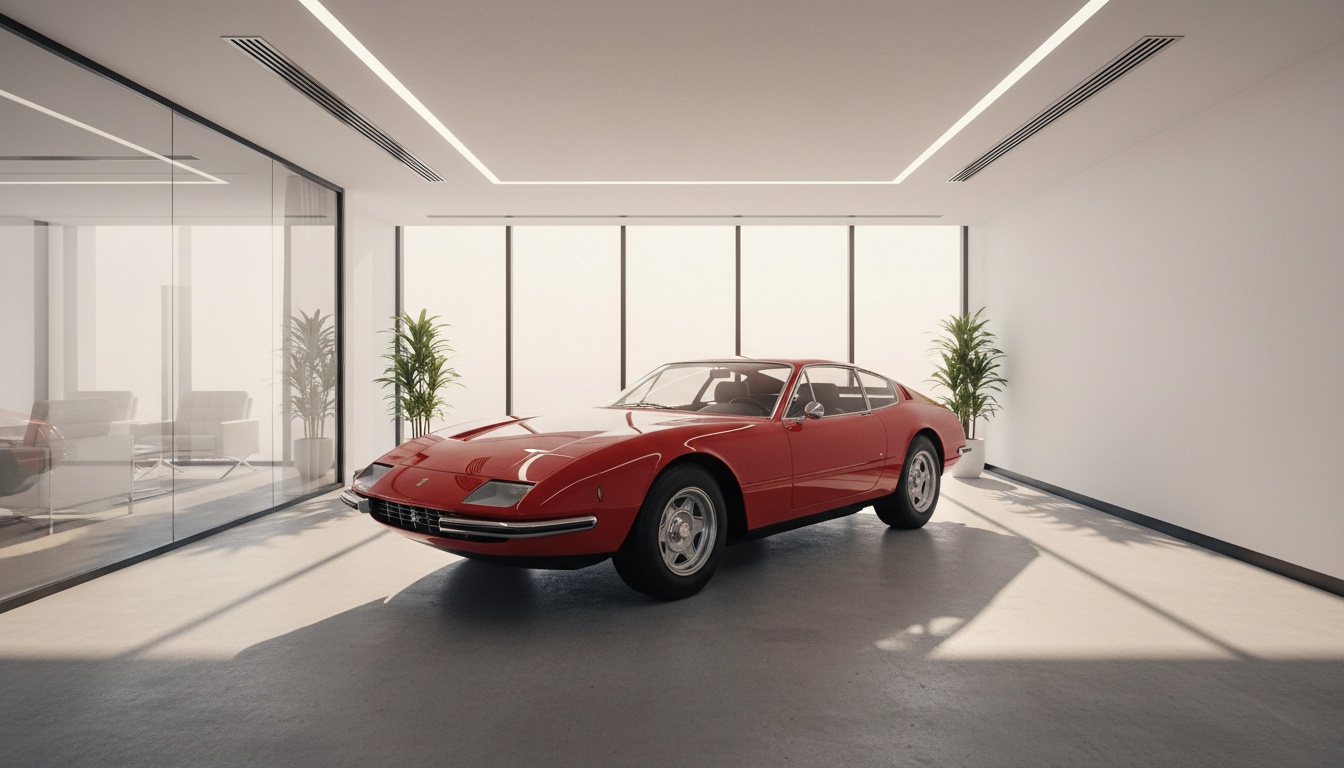
A vintage car fire in the UAE is a collector's worst nightmare — but whether your insurer pays out depends on one critical distinction: did the fire start from inside or outside your vehicle? Understanding how UAE motor policies handle wiring failures versus external ignition could save you hundreds of thousands of dirhams. Explore your [classic car insurance options on eSanad](https://www.esanad.com/motor-insurance) before the next summer season arrives.
The Science of Vintage Ignition: Why 1970s Wiring Fails in UAE Temperatures
Classic cars built before 1990 were engineered for temperate climates — not the 50°C summers that UAE residents experience regularly. Rubber insulation on vintage wiring harnesses becomes brittle and cracks after years of thermal cycling. In Dubai or Abu Dhabi, this degradation accelerates dramatically.
The most common failure points in pre-1990 vehicles include:
- Cotton-braided or rubber-coated wire harnesses that lose flexibility and develop micro-fractures
- Fusebox connections that corrode due to humidity fluctuations between air-conditioned garages and outdoor heat
- Fuel delivery systems with degraded rubber hosing positioned near heat-generating components
When cracked insulation allows conductors to touch bodywork or other wires, a short-circuit can ignite surrounding materials within seconds. The tragedy is that this failure mode is predictable — and preventable.
According to the Ministry of Interior's (moi.gov.ae) vehicle safety guidelines, owners of vehicles over 20 years old bear heightened responsibility for maintaining electrical system integrity. For UAE collectors thinking about registration, the classic vehicle insurance requirements outlined by the RTA are your starting framework.
Defining Fire Coverage: Mechanical Fault vs. External Ignition Sources
This is where UAE policy language becomes decisive. The UAE Unified Motor Insurance Policy — regulated by the Central Bank of the UAE (centralbank.ae) — contains a "Gradual Operating Cause" exclusion. This clause means damage arising from gradual deterioration or mechanical/electrical breakdown is typically not covered, even if fire ultimately results.
However, there is a crucial carve-out: if fire ensues from an otherwise excluded mechanical failure, some comprehensive policies will cover the fire damage itself. Always verify this specific language with your insurer.
Fire Source vs. Insurance Coverage Eligibility in the UAE
| Cause of Fire | Classification | Likely Coverage Outcome |
|---|---|---|
| Short-circuit from perished insulation | Mechanical/Internal Failure | Often Excluded (Maintenance Issue) |
| Fuel line leak ignited by external ambient heat | Accidental Fire | Usually Covered (Comprehensive) |
| Vandalism or third-party negligence | External Malicious Act | Covered (Police Report Required) |
| Lightning strike igniting fuel system | Natural External Cause | Covered (Comprehensive) |
| Electrical fire from non-approved modification | Owner Negligence | Typically Excluded |
For a deeper understanding of how policy types affect your claim outcome, reviewing comprehensive vs third-party coverage distinctions is essential before purchasing a vintage vehicle policy.
The 2026 Claims Landscape: Evaluating Agreed Value in Total Loss Fire Events
When a classic car is declared a total loss following a fire, the valuation method your policy uses determines how much you receive. In 2026, UAE collectors face two primary options:
Market Value policies pay out what a comparable vehicle would sell for at the time of loss — problematic for rare classics where the open market is thin and prices fluctuate wildly.
Agreed Value policies lock in a pre-determined payout negotiated at policy inception, typically supported by an independent appraisal. For UAE collectors, this is the gold standard. A 1972 Ford Mustang restored with period-correct parts has a value that no depreciation table can capture fairly.
Understanding the distinction is critical — the agreed value vs market value guide explains exactly how to negotiate the right settlement basis before disaster strikes.
Key documentation insurers require following a fire total loss:
- Original purchase contract and restoration invoices
- Independent valuation certificate from an RTA-approved appraiser
- Police report (mandatory for all fire incidents under UAE law)
- Photographs of the vehicle before and after the incident
- Workshop report identifying the fire's probable origin
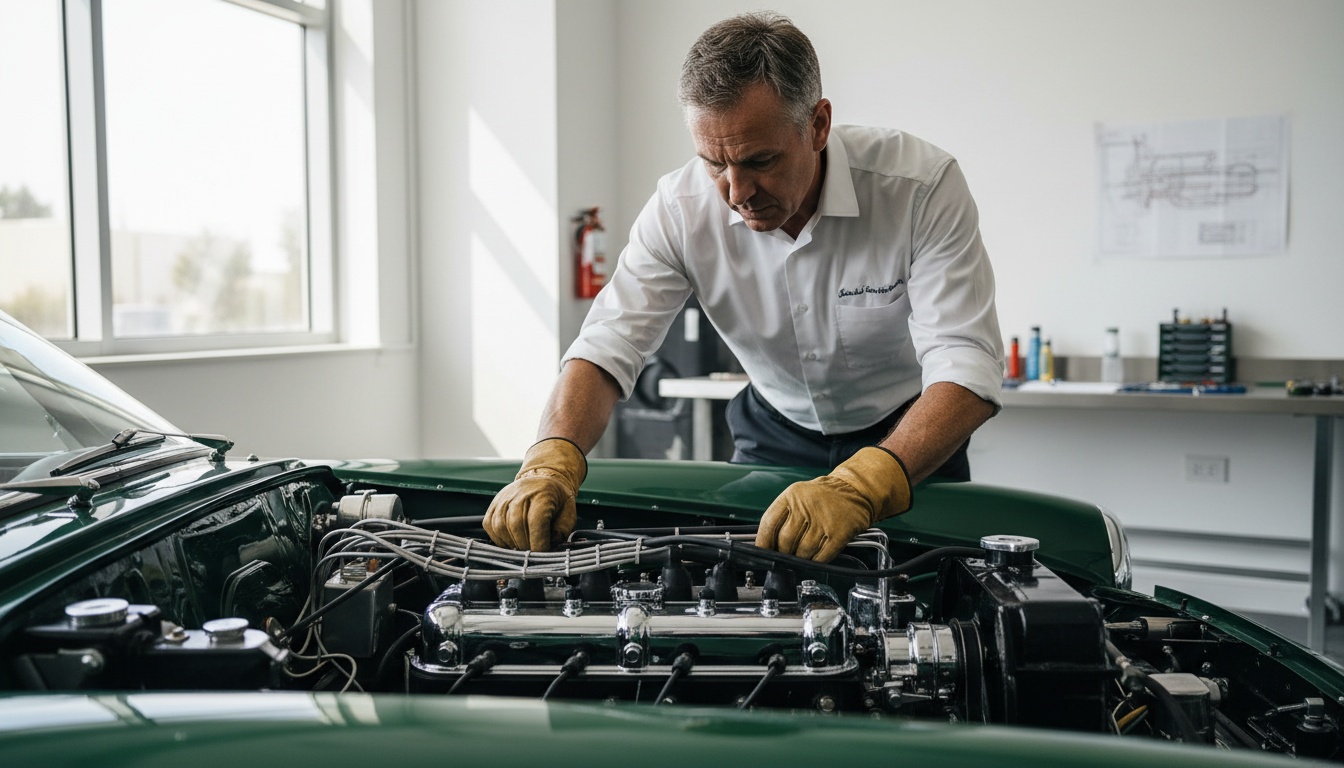
Evidence that your wiring was professionally restored by an RTA-approved garage is particularly powerful in disputes where insurers attempt to invoke the Gradual Deterioration exclusion.
Compare & Choose on eSanad
Essential Checklist: Preventive Measures and Registry-Compliant Modifications
Prevention is the most cost-effective classic car insurance strategy in the UAE. Here is what collectors should implement before the summer heat peaks:
- Replace aging wiring harnesses with modern equivalents using heat-resistant PVC insulation — have invoices ready to demonstrate maintenance diligence
- Install an automatic fire suppression system — many GCC classic insurers now require one as a condition of coverage
- Carry a certified fire extinguisher in the cabin — this is mandatory for several UAE classic car insurance providers
- Upgrade fuel lines to braided stainless-steel options rated above 100°C
- Store the vehicle in a temperature-controlled garage — ambient heat alone can trigger fuel vapour ignition near compromised wiring
- Fit a battery isolation switch to eliminate short-circuit risk when the vehicle is parked
If you are considering a lithium-ion battery conversion for a vintage vehicle, be aware that most standard classic policies do not cover EV conversion risks without explicit endorsement. Review how non-standard EV components affect UAE insurance before proceeding.
Get a Free Quote Now
Conclusion
Bottom line: In the UAE, classic car fire claims live or die on one question — was the fire caused by gradual internal deterioration or a sudden, external event? Maintaining your vehicle's electrical systems, choosing an Agreed Value policy, and documenting every restoration step are your three most powerful protections. Compare classic and vintage motor insurance plans on eSanad to find coverage that truly matches your vehicle's worth.
Short Summary: Learn how UAE classic car fire claims differ based on wiring faults vs external causes, and how to protect your vintage vehicle in 2026.
Meta Description: Classic car fire insurance UAE 2026 — understand wiring faults vs external causes, agreed value claims, and how to protect your vintage vehicle.
Slug: classic-car-fire-coverage-old-wiring-vs-external-causes-uae-2026
FAQ
Does a standard UAE motor policy cover electrical fires in cars over 30 years old?
Not automatically. The UAE Unified Motor Policy often excludes damage from gradual electrical deterioration. However, if fire physically ensues, some comprehensive policies cover the resulting damage. Always confirm this specific clause with your insurer.
Will upgrading my classic car's wiring harness void my insurance policy?
Generally, no — professional rewiring by an RTA-approved garage typically strengthens your claim position. Always notify your insurer of significant modifications and retain all invoices.
Is a fire caused by UAE summer heatwave considered an External Cause?
Ambient heat alone is rarely classified as a standalone external cause. However, if external heat ignites a fuel leak not attributable to poor maintenance, it may qualify as accidental fire under a comprehensive policy.
What documentation proves a fire was not caused by poor maintenance?
Dated invoices from RTA-approved workshops, an independent fire investigation report, pre-incident photographs, and a structured maintenance log are the strongest evidence package for UAE insurers.
How does Agreed Value differ from Market Value in a classic car fire claim?
Agreed Value pays a pre-negotiated fixed sum regardless of depreciation — ideal for rare classics. Market Value pays the vehicle's open-market price at time of loss, which often undervalues restored or rare vehicles significantly.
Editorial note: This article is for general information and does not constitute insurance advice. Always confirm terms with your insurer.