

Travel Insurance
Adventure Hiking 2026: Altitude Limits in UAE Travel Plans
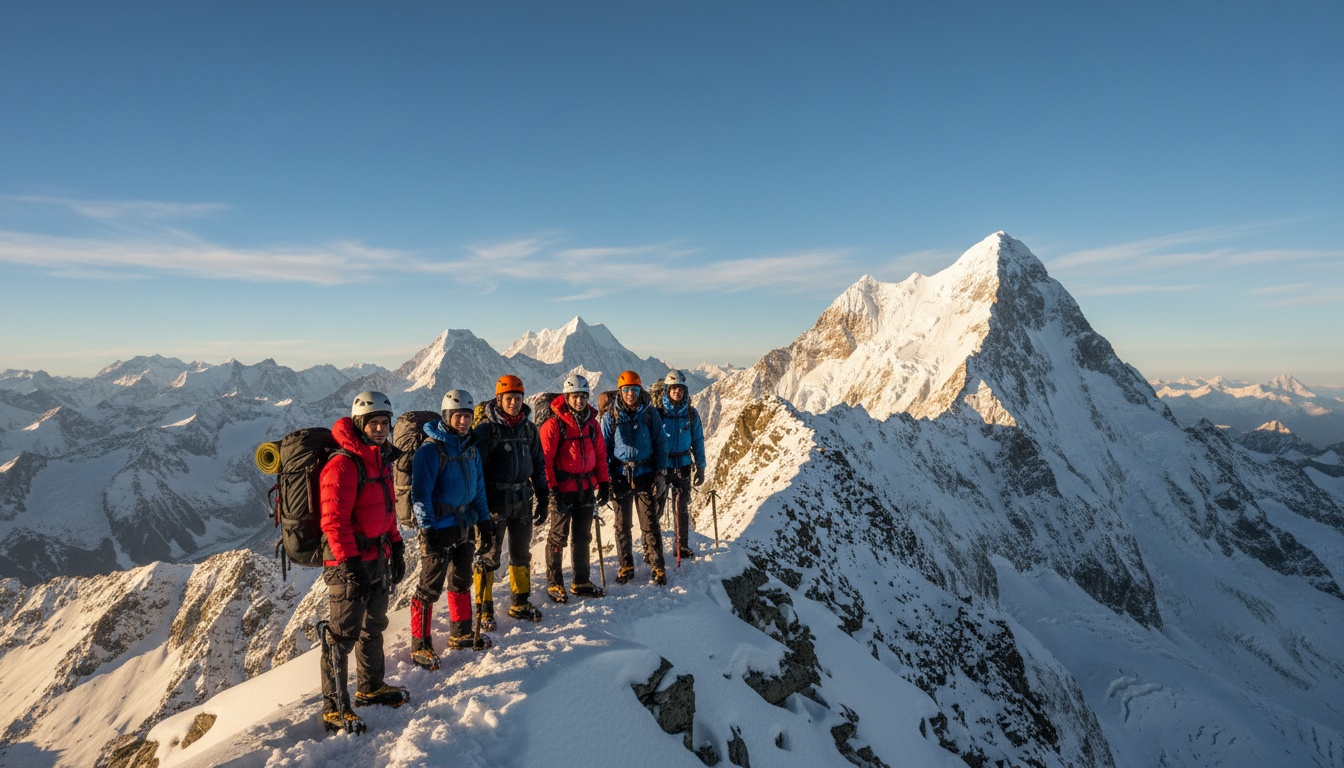
Planning to summit Kilimanjaro or trek to Everest Base Camp from Dubai this year? Before you book, understand that most standard UAE travel insurance policies in 2026 cap "leisure" hiking at just 3,000 meters — leaving high-altitude adventurers dangerously underinsured. This guide breaks down exactly what's excluded, what's covered, and how to get proper protection for your 2026 expedition. Compare adventure travel plans on eSanad.
Understanding the Altitude Limit: Why 3,000 Meters is the 2026 Insurance Threshold
The 3,000-meter altitude cap isn't arbitrary. Insurers classify it as the approximate threshold where Acute Mountain Sickness (AMS), High Altitude Pulmonary Edema (HAPE), and evacuation complexity increase significantly. Above this elevation, risks compound — and so do claim costs.
In 2026, the UAE's Central Bank has mandated clearer "Key Facts Statements" for travel insurance products, requiring insurers to explicitly disclose activity exclusions in plain language. This is a win for consumers, but many UAE residents still purchase basic or visa-linked plans without reading the fine print.
UAE wadis and Hajar Mountain trails — popular weekend treks — typically sit well below this threshold. However, international destinations like Nepal, Peru, Tanzania, and Georgia regularly take trekkers above 4,000 to 5,000 meters. If you're planning such a trip, read our guide on Hiking Georgia 2026: Helicopter Rescue and UAE Insurance for a real-world look at evacuation costs.
Beyond the Horizon: Common Trekking Exclusions in Standard UAE Travel Plans
Standard UAE travel plans frequently exclude the following when hiking above defined altitude thresholds:
- Technical climbing equipment use — Policies often void coverage the moment you attach crampons, use fixed ropes, or hire a certified mountain guide for technical ascent.
- Acute Mountain Sickness (AMS) — Insurers may classify AMS as a "foreseeable condition" if you failed to document proper acclimatization, allowing them to deny claims.
- Search and Rescue (SAR) — This is either a sub-limit (often capped at AED 25,000–50,000) or entirely excluded. Actual SAR operations in the Himalayas or Andes can exceed AED 150,000.
- Air ambulance / helicopter evacuation — Costs from remote high-altitude regions can easily surpass AED 200,000, far beyond what basic plans cover.
- Unregistered expedition participation — Some policies exclude treks not led by licensed operators registered in the destination country.
Credit card travel insurance — a common fallback for UAE residents — is particularly weak here. Review Credit Card Travel Insurance UAE 2026: Full Payment Rule to understand why card-linked plans almost universally exclude adventure activities above 3,000 meters.
It's also worth noting that extreme sports exclusions extend beyond mountains. See Eid 2026: 5 Extreme Sports Excluded from UAE Travel Plans for a broader look at activity exclusions affecting UAE travelers.
Comparing Coverage: General Travel Insurance vs. Specialized Adventure Riders
The gap between standard and adventure-grade coverage is significant. Here's how typical policies compare for UAE residents in 2026:
| Activity Type | Standard Policy Altitude Limit | Adventure Rider Required? | Search and Rescue Included? |
|---|---|---|---|
| Leisure Hiking (UAE Wadis, Hajar Mountains) | Up to 3,000m | No | Partial (sub-limit) |
| Technical Trekking (3,000m–5,000m) | Not covered | Yes | Only with rider |
| High-Altitude Mountaineering (5,000m+) | Not covered | Yes (specialist policy) | Only with specialist policy |
Specialized adventure riders — available as add-ons through platforms like eSanad — extend medical and evacuation coverage for high-altitude activities, include SAR with meaningful limits, and cover equipment loss for technical gear. They also typically require you to declare your maximum intended altitude upfront, which becomes the binding coverage ceiling.
For those planning multi-destination expeditions, reviewing Choosing Between Single-Trip and Multi-Trip Travel Insurance may also help optimize your coverage structure and cost.
Compare & Choose on eSanad
The 2026 High-Altitude Checklist: From Search and Rescue to Medevac Logistics
Before departing on any trek above 3,000 meters from the UAE in 2026, work through this checklist:
- Confirm altitude coverage ceiling — Get written confirmation from your insurer of the exact altitude your policy covers. Verbal assurances are not binding.
- Verify SAR sub-limits — Ensure Search and Rescue coverage is at least AED 100,000. Anything lower is unlikely to cover a real Himalayan or Andean operation.
- Document acclimatization — Keep a dated log of your ascent profile. AMS claims are routinely denied when insurers argue the ascent was reckless or too rapid.
- Check medevac network — Confirm your insurer has an active assistance network in your destination country. Remote areas of Nepal and Peru require pre-arranged evacuation partnerships.
- Declare all technical equipment use — If you plan to use ropes, crampons, or ice axes, your standard plan is void. Upgrade before departure.
- Review your medical evacuation baseline — For context on what adequate emergency medical cover looks like, see USA Summer Trip 2026: Why You Need $500k Medical Cover.
- Purchase before departure — Adventure riders cannot be added mid-trip. Secure full coverage before you leave the UAE.
Get a Free Quote Now
Conclusion
Bottom line: In 2026, the altitude gap in standard UAE travel insurance is a genuine financial and safety risk for anyone trekking above 3,000 meters. Standard plans — including Schengen-compliant and credit card policies — were not designed for technical trekking or high-altitude mountaineering, and claim denials in this category are rising. Visit eSanad to compare adventure travel insurance options, add the right rider, and head for the peaks with genuine peace of mind.
Short Summary: Standard UAE travel plans cap hiking at 3,000m in 2026 — here's what high-altitude trekkers must know before departing.
Meta Description: UAE travel insurance excludes high-altitude trekking above 3,000m in 2026. Learn what's covered, what's not, and how to get proper adventure protection.
Slug: altitude-limit-exclusion-adventure-hiking-uae-travel-insurance-2026
Explore eSanad →
FAQ
Does my UAE credit card travel insurance cover trekking in Nepal or Peru?
Almost certainly not for altitudes above 3,000 meters. Credit card travel insurance in the UAE is typically designed for standard leisure travel and explicitly excludes technical trekking, mountaineering, and related SAR costs. Always purchase a dedicated adventure travel policy before high-altitude expeditions.
What is the difference between "hiking" and "mountaineering" in a UAE policy?
In standard UAE policy wording, "hiking" refers to unguided, non-technical walking on marked trails below a defined altitude (usually 2,500–3,000m). "Mountaineering" involves technical elements — ropes, crampons, guides, or altitudes above the policy threshold — and triggers exclusion clauses in most basic plans.
Will travel insurance cover a helicopter evacuation for Acute Mountain Sickness?
Only if your policy explicitly includes SAR and helicopter evacuation coverage with sufficient limits. Basic UAE travel plans cap or exclude this entirely. AMS may also be denied if insurers deem the ascent rate "reckless" and lack of acclimatization documentation confirms it.
How do I declare my maximum intended altitude to a UAE insurer?
During the policy application or rider purchase process, you will be asked to state your planned maximum altitude. Declare the absolute highest point of your intended route — not your average altitude. This declared figure becomes your coverage ceiling and is binding in the event of a claim.
Does "Worldwide" coverage automatically include high-altitude adventure activities?
No. "Worldwide" refers to the geographic scope of the policy — the countries where it is valid — not the activities covered. A worldwide plan still applies all standard activity exclusions, including altitude limits. Adventure activities require explicit inclusion, not just geographic coverage.
Editorial note: This article is for general information and does not constitute insurance advice. Always confirm terms with your insurer.