

Motor Insurance
Chinese SUV Resale Values and Total Loss Payouts UAE 2026
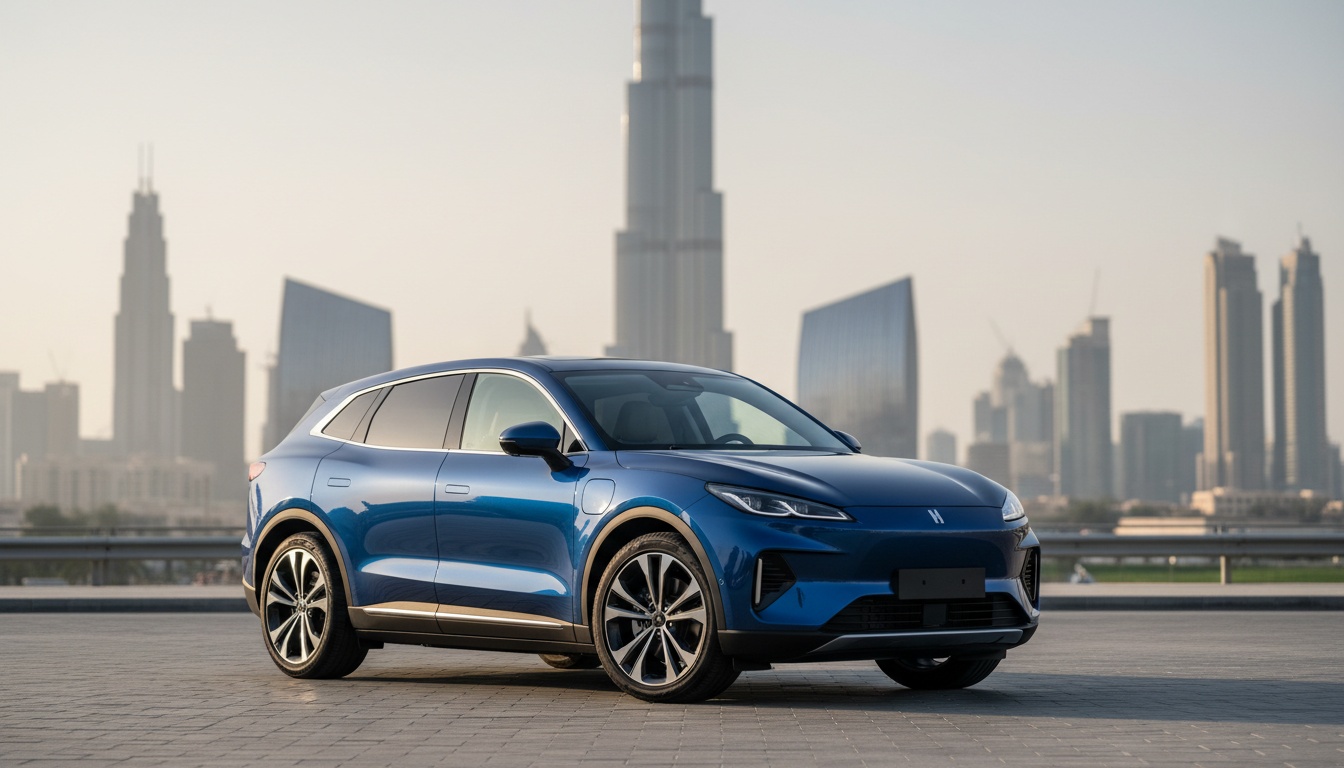
Owning a Chinese SUV in the UAE offers exceptional value — until a serious accident forces an insurance settlement. In 2026, rapid depreciation on brands like MG, BYD, Haval, and Geely is creating a dangerous "depreciation gap" where total loss payouts fall short of outstanding loan balances. Understand how insurers calculate market value and compare motor insurance plans before it's too late.
Understanding Total Loss Payouts in the UAE: Market Value vs. Insured Sum
Most UAE motorists assume their insurance payout equals the sum insured printed on their policy schedule. This assumption can be costly. Under UAE motor insurance practice — governed by the UAE Central Bank, which absorbed the Insurance Authority — total loss is typically declared when repair costs exceed 50% of the vehicle's current market value, not the original purchase price.
There are two types of total loss:
- Actual Total Loss: The vehicle is completely destroyed or unrecoverable.
- Constructive Total Loss (CTL): The car exists but repairing it is economically unviable relative to its market value.
The critical phrase is "market value at the time of the accident." Your insurer will reference local classified platforms, dealer valuations, and auction data — not your invoice. If you purchased a Chinese SUV for AED 95,000 and its market value has dropped to AED 62,000 eighteen months later, your payout is based on AED 62,000.
For financed vehicles, the gap between the insurance payout and the outstanding bank balance can leave owners personally liable for thousands of dirhams — a risk especially acute with fast-depreciating Chinese brands.
The 2026 Outlook for Chinese SUV Resale Values: MG, BYD, and Haval Trends
The UAE's Chinese car market has exploded since 2022. However, 2025-2026 data reveals a concerning pattern: Chinese brands are hitting their "depreciation floor" significantly faster than Japanese competitors. Contributing factors include the flood of second-hand Chinese EVs entering the resale market in 2026, brand perception gaps, and limited certified pre-owned networks.
For context on how structural vehicle issues can compound insurance challenges, see our guide on Chinese EV chassis failures and UAE insurance claims 2026.
| Vehicle Category | Est. Depreciation (Year 3) | Insurance Payout Impact | Financial Risk Level |
|---|---|---|---|
| Chinese Electric SUV (BYD/Geely) | 45–55% | Payout well below loan balance | Very High |
| Chinese ICE SUV (MG/Haval) | 35–45% | Moderate shortfall if financed | High |
| Japanese ICE SUV (Toyota/Honda) | 20–28% | Payout closely tracks loan | Low–Moderate |
The influx of second-hand Chinese EVs into the UAE market in 2026 is pulling resale benchmarks down even for newer models. A BYD Atto 3 purchased in early 2024 may already carry a market value 40–50% below its original price by early 2026 — meaning any total loss claim in this window exposes financed owners to significant negative equity.
Comparing Payout Factors: Agency Repair vs. Non-Agency Depreciation Slopes
One often-overlooked variable in total loss calculations is whether your policy includes agency repair coverage. While agency repair primarily governs how your car is fixed, it indirectly affects total loss outcomes by influencing the assessed market value of your vehicle.
A Chinese SUV serviced exclusively through the brand's authorized dealership network retains a marginally higher resale value than one repaired at non-agency workshops. This is because service history and genuine parts documentation matter to resale buyers. Our detailed breakdown of agency repair for Chinese cars in UAE 2026 explains whether the premium is worth paying.
Non-agency vehicles depreciate along a steeper slope in the UAE's resale market. Adjusters know this and will reference comparable non-agency vehicles when valuing your car. The practical result: the same model with agency history may receive a 5–10% higher payout than an identical car without it.
Additionally, undeclared modifications can actively reduce your payout. Owners with paint protection film or wraps should review the risks covered in our guide on undeclared PPF and wraps causing UAE claim denials in 2026.

Compare & Choose on eSanad
How to Protect Your Investment: Gap Insurance and Agreed Value Policies
If you've financed a Chinese SUV, two policy structures can shield you from negative equity after a total loss:
1. GAP Insurance (Guaranteed Asset Protection) GAP insurance covers the difference between your insurer's market value payout and the outstanding loan balance. For a BYD or MG financed over four years, this gap can realistically reach AED 15,000–30,000 in the first 24 months.
2. Agreed Value Policies Unlike standard market value policies, agreed value cover locks in a specific payout figure at policy inception. This eliminates settlement disputes but typically costs more in annual premiums. Agreed value is harder to obtain for Chinese brands as some insurers are reluctant to agree values on fast-depreciating vehicles.
Practical Checklist:
- Confirm whether your policy uses "market value" or "agreed value" language
- Ask your broker explicitly about GAP insurance availability for your brand
- Maintain full agency service records to support higher resale valuations
- Photograph and document your vehicle's condition annually
- Review your policy at eSanad's motor insurance platform to compare agreed value options across multiple insurers
For renewal timing and documentation tips, see our Motor Insurance Renewal Guide 2026.
Get a Free Quote Now
Conclusion
Bottom line: Chinese SUVs offer compelling value at purchase, but their accelerated depreciation in the UAE creates a real financial trap when total loss occurs — especially for financed buyers in the first two years. Understanding that insurers pay market value, not the sum insured, and pairing your policy with GAP insurance or agreed value cover is essential protection in 2026.
Short Summary: Chinese SUVs depreciate faster in UAE — understand how this impacts your 2026 total loss insurance payout and how to protect yourself.
Meta Description: Chinese SUV resale values in UAE are dropping fast in 2026. Learn how total loss payouts are calculated and how to avoid a costly depreciation gap.
Slug: chinese-suv-resale-value-total-loss-payout-uae-2026
FAQ
How does the UAE Central Bank regulate total loss car insurance payouts?
The UAE Central Bank, which now oversees insurance regulation, requires insurers to base total loss settlements on documented market value and provide transparent calculations. Policyholders can dispute settlements by submitting dealer valuations and classified market evidence.
Why is the resale value of Chinese cars lower than Japanese brands in the UAE?
Chinese brands are newer to the UAE market with smaller certified pre-owned networks, shorter brand trust histories, and an influx of second-hand units in 2026 that is pushing resale benchmarks down faster than established Japanese competitors.
Can I negotiate the total loss offer for my Chinese SUV with my insurer?
Yes. You can counter an insurer's market value assessment with documented evidence — current classified listings, dealer quotes, and auction data for comparable models. Insurers are required to engage with valid counter-evidence.
What is the "Market Value" clause in a UAE motor insurance policy?
The market value clause means your payout is based on what your car would realistically sell for on the open UAE market on the day of the accident — not the price you paid or the sum insured on your schedule.
Will GAP insurance cover the difference for a total loss on a financed BYD or MG?
Yes, if structured correctly. GAP insurance is specifically designed to cover the shortfall between the insurer's market value payout and your remaining loan balance. Confirm GAP availability with your broker at policy inception, as not all UAE insurers offer it as standard.
Editorial note: This article is for general information and does not constitute insurance advice. Always confirm terms with your insurer.