

Travel Insurance
Eid Al Fitr 2026: Protecting Non-Refundable Travel Bookings

The Eid Al Fitr 2026 holiday period, expected in late March to early April, represents one of the UAE's busiest travel seasons. With flight and hotel prices surging by 40-60% during this peak window, thousands of UAE residents are already locking in non-refundable bookings to secure better rates. But what happens when illness, airline disruptions, or unforeseen emergencies force you to cancel? Understanding how travel insurance protects your high-value, non-refundable investments is critical—especially when a single family booking can exceed AED 15,000.
Understanding Trip Cancellation Coverage: How UAE Travel Insurance Protects Non-Refundable Assets
Trip cancellation coverage is designed to reimburse prepaid, non-refundable travel expenses when you cannot travel due to a covered reason. For UAE residents, this typically includes medical emergencies, death of an immediate family member, jury duty, or severe weather disrupting transportation.
What qualifies as a "non-refundable asset"?
- Airline tickets purchased at non-flexible rates
- Hotel reservations with no-cancellation-allowed policies
- Prepaid tour packages and excursions
- Event tickets and conference registrations
- Cruise deposits and cabin assignments
According to UAE Central Bank regulations, all licensed insurers must provide a clear Product Disclosure Statement (PDS) outlining exactly which cancellation scenarios are covered and which are excluded. Most policies exclude "change of mind," pre-existing medical conditions (unless declared and covered), and cancellations due to wars or civil unrest unless specifically included as a policy add-on.
The General Civil Aviation Authority (GCAA) of the UAE oversees airline consumer protections, but airline waivers are separate from insurance. While Emirates or Etihad might offer rebooking for operational delays, they typically won't refund your hotel or tour costs. That's where comprehensive travel insurance becomes essential for protecting the full scope of your Eid investment.
The Eid 2026 Rush: Common Scenarios Where Non-Refundable Bookings Are At Risk
The 2026 Eid Al Fitr period presents unique risks that can derail even the most carefully planned trips. Understanding these scenarios helps UAE families evaluate their coverage needs.
Scenario 1: Medical Emergency Before Departure You've booked non-refundable tickets to London for AED 12,000. Two days before departure, your spouse is hospitalized with acute appendicitis. Standard trip cancellation coverage will reimburse your prepaid, non-refundable costs—provided you purchased the policy before the illness occurred and can provide medical documentation from a licensed UAE physician.
Scenario 2: Airline Insolvency or Operational Collapse In 2024, several low-cost carriers in the Middle East suspended operations with minimal notice. If your Eid flight is cancelled due to airline bankruptcy, trip cancellation coverage can reimburse your non-refundable ticket costs. However, you'll need to file claims quickly and provide proof of the airline's closure from GCAA or similar aviation authorities.
Scenario 3: Visa Denial After Booking UAE residents applying for Schengen or UK visas sometimes face unexpected rejections. If your visa application is denied through no fault of your own (fraudulent applications are excluded), many UAE travel policies will cover your non-refundable bookings. For detailed visa requirements for UAE travelers, understanding which destinations require advance insurance is critical.
Scenario 4: Severe Weather or Natural Disasters Hurricanes, floods, or volcanic eruptions can make destinations uninhabitable or inaccessible. If your destination is placed under a Ministry of Foreign Affairs (MOFA) "Do Not Travel" advisory before your departure, most UAE policies will honor trip cancellation claims.
Scenario 5: Employer-Mandated Schedule Changes If you're a UAE-based employee and your employer revokes approved leave for operational emergencies (with written proof), some comprehensive policies cover this under "covered reasons." However, voluntary job changes or resignations are never covered.
Standard Cancellation vs. Cancel For Any Reason (CFAR): Comparison of Protections
Not all trip cancellation coverage is equal. UAE travelers need to understand the critical difference between "Standard Cancellation" and "Cancel For Any Reason" (CFAR) options—especially when protecting high-value Eid bookings.
Comparison of Travel Protection Levels for Eid 2026
| Feature | Standard Travel Insurance | Premium Protection (CFAR Option) |
|---|---|---|
| Medical Emergency Cancellation | ✅ Covered (100% of non-refundable costs) | ✅ Covered (typically 75% reimbursement) |
| Airline Insolvency Protection | ✅ Covered if purchased before insolvency declared | ✅ Covered |
| Cancel due to 'Change of Mind' | ❌ Not Covered | ✅ Covered (usually 50-75% reimbursement) |
| Reimbursement % of Non-Refundable Costs | 100% for covered reasons | 50-75% for any reason |
| Purchase Deadline | Anytime before travel | Usually within 14-21 days of initial trip deposit |
| Premium Cost | AED 150-400 for family coverage | AED 600-1,200 for family coverage |
The 48-Hour Rule (or 14-Day Rule) Many premium CFAR benefits must be added within 48 hours to 14 days of your initial trip deposit. If you wait until a week before Eid to purchase insurance, CFAR options may no longer be available—leaving you with standard coverage only.
Force Majeure vs. Covered Reasons "Force majeure" refers to extraordinary events beyond anyone's control (wars, earthquakes, pandemics). UAE insurance policies typically exclude these unless explicitly included or carved back into the policy. "Covered reasons" are specific events listed in your PDS, such as illness, death, or jury duty.
For travelers comparing annual versus single-trip options, understanding how multi-trip policies work is important—though beyond the scope of this article, resources on comparing insurance types can provide additional guidance.
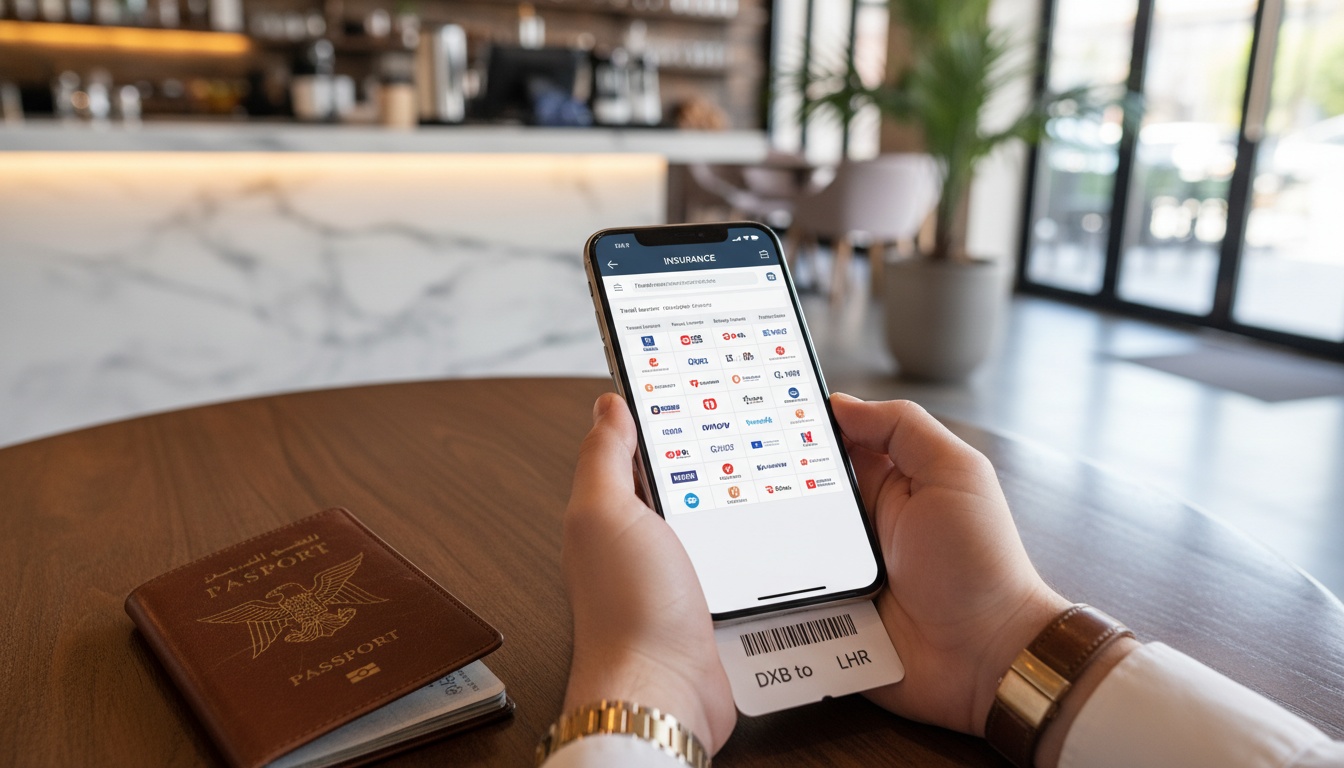
Compare & Choose on eSanad
Essential Checklist: Securing Your Eid Travel Investment Before You Fly
Protecting your non-refundable Eid 2026 bookings requires strategic planning. Follow this checklist to ensure maximum coverage:
1. Purchase Insurance Within 14 Days of Initial Deposit To unlock premium benefits like CFAR and pre-existing condition waivers, buy travel insurance within 14 days of making your first trip payment (usually flights or hotel deposits).
2. Verify Coverage Limits Match Your Booking Value If your family trip costs AED 25,000, ensure your policy's trip cancellation limit meets or exceeds this amount. Visa-linked insurance often caps cancellation coverage at AED 5,000-7,000, making it unsuitable for expensive Eid holidays.
3. Read the Product Disclosure Statement (PDS) UAE Central Bank regulations require all insurers to provide a PDS. Read the "Exclusions" section carefully. Look for exclusions related to:
- Pre-existing medical conditions
- High-risk destinations
- Sports and adventure activities
- Pandemic-related cancellations (some policies reinstated these exclusions post-2023)
4. Document Everything Keep receipts, booking confirmations, medical certificates, and written employer letters. Claims require documentation from licensed UAE providers. Verbal confirmations won't suffice.
5. Understand Airline Waivers ≠ Insurance Emirates, Etihad, and other carriers may offer rebooking for operational delays, but they won't refund your non-refundable hotel, rental car, or tour bookings. Only comprehensive travel insurance covers your entire trip.
6. Check MOFA Travel Advisories Before Booking Visit www.mofa.gov.ae to check travel warnings for your destination. Bookings to "Do Not Travel" destinations may not be covered by insurance if the warning was issued before you purchased your policy.
7. Add Medical Coverage for International Destinations Eid travelers heading to Europe, Asia, or the Americas should ensure their policy includes emergency medical and evacuation coverage—some destinations require proof of medical insurance for visa issuance.
Get a Free Quote Now
Conclusion
Bottom line: The Eid Al Fitr 2026 travel rush means non-refundable bookings are at higher risk than ever due to surge pricing, limited flexibility, and regional disruptions. Comprehensive travel insurance—purchased at the moment of booking—is the only way to protect your investment from medical emergencies, airline failures, visa denials, and other covered cancellations. Understanding the difference between standard coverage and CFAR options ensures you choose protection that matches your risk tolerance and budget.
Explore eSanad →
FAQ
Does UAE travel insurance cover flights cancelled due to regional airspace closures?
Yes, if the closure is due to a covered event (severe weather, natural disaster, or political unrest explicitly covered in your policy). However, many UAE policies exclude "acts of war" unless you add this coverage. Always check your PDS and confirm with your insurer before booking travel to high-risk regions.
Can I buy travel insurance after my flight has already been delayed or cancelled?
No. Travel insurance must be purchased before a "known event" occurs. Once an airline announces a delay or cancellation, it becomes a known event, and new policies will exclude coverage for that incident. Always buy insurance at the time of your initial booking to ensure full protection.
Will travel insurance refund my non-refundable hotel booking if I am ill before Eid?
Yes, if you have trip cancellation coverage and your illness qualifies as a covered reason (typically requiring a doctor's note from a licensed UAE physician). Pre-existing conditions are usually excluded unless you declared them and paid additional premiums or purchased coverage within 14 days of your initial trip deposit.
How does 'Cancel For Any Reason' (CFAR) differ from standard trip interruption?
CFAR allows you to cancel your trip for any reason not otherwise covered (like "change of mind") but typically reimburses only 50-75% of non-refundable costs. Standard trip interruption covers specific events (illness, death, severe weather) and reimburses 100% of eligible costs. CFAR must usually be purchased within 14-21 days of your initial deposit and costs significantly more.
What documentation is required by UAE insurers to claim for a non-refundable ticket?
You'll need: (1) Original booking confirmations and receipts, (2) Proof of payment, (3) Written explanation of the cancellation reason, (4) Supporting documents (medical certificates from UAE-licensed doctors, death certificates, employer letters, visa denial notices), and (5) Proof that the costs were non-refundable (airline/hotel cancellation policies).
Is 'Visa-Linked' travel insurance sufficient for expensive Eid holiday packages?
Usually not. Visa-linked policies often cap trip cancellation coverage at AED 5,000-7,000 and provide minimal benefits beyond emergency medical. For high-value Eid bookings exceeding AED 10,000, comprehensive standalone travel insurance with higher limits and CFAR options is recommended. Compare coverage levels on eSanad to find the right fit.
Editorial note: This article is for general information and does not constitute insurance advice. Always confirm terms with your insurer.