

Motor Insurance
Hybrid vs Electric Car Insurance Dubai: 2026 Cost Guide
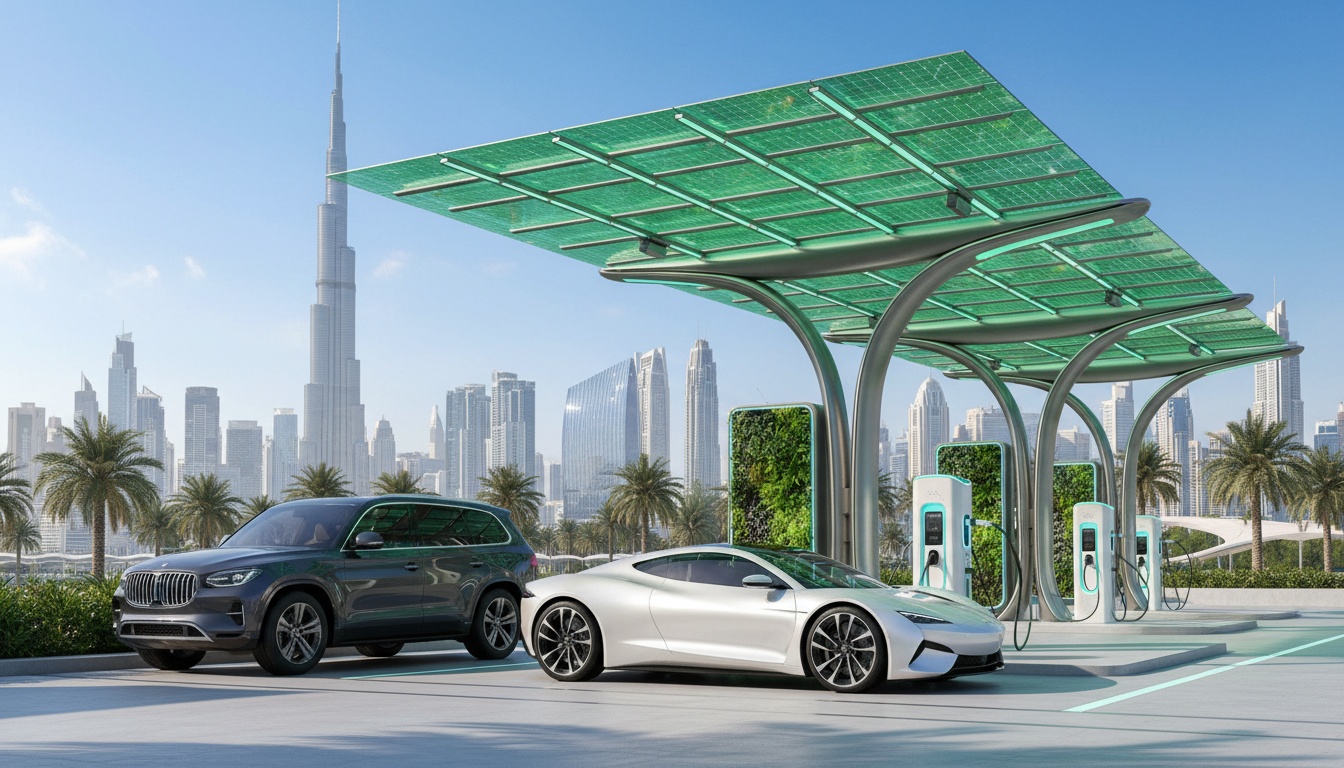
As Dubai accelerates toward its green mobility vision, UAE car buyers face a critical question: should you go hybrid or fully electric in 2026? While government incentives and lower running costs make eco-friendly vehicles attractive, insurance premiums tell a different story. This comprehensive breakdown reveals the true cost of insuring hybrid versus electric vehicles in the UAE, helping you make an informed decision before your next car purchase.
The Evolution of Green Motor Insurance in the UAE: 2026 Landscape
The UAE's automotive insurance market has transformed dramatically since the government's 2021 green mobility initiative. By 2026, over 42,000 electric vehicles and 78,000 hybrid vehicles navigate Dubai's roads, creating an entirely new insurance category that operates under different risk models than traditional petrol vehicles.
The RTA's Smart Dubai Green Mobility Initiative has successfully increased EV adoption, yet insurance premiums haven't followed the same downward trajectory as fuel costs. The reason? The Repairability Gap. Unlike conventional vehicles with standardized parts and widespread repair networks, EVs require specialized technicians, proprietary diagnostic tools, and often months-long waits for battery components.
Hybrid vehicles, particularly plug-in hybrid electric vehicles (PHEVs), occupy a middle ground. They combine traditional mechanical systems—which UAE garages have serviced for decades—with electric components. This dual nature creates both opportunities and challenges for insurers calculating risk profiles.
The surge of Chinese EV manufacturers entering the UAE market (BYD, Zeekr, MG, and even Xiaomi's electric vehicles) has created a "Budget EV" insurance tier. While these vehicles offer attractive purchase prices, insurers remain cautious about long-term parts availability and residual values, impacting premium calculations. For more insights on Chinese automotive brands, explore the top Chinese car brands in UAE in 2026.
Ready to explore green vehicle insurance?
Get Your Car Insured Instantly
Hybrid vs. Electric: A Comprehensive Cost Breakdown of Premiums
Understanding the financial reality of insuring eco-friendly vehicles requires examining actual market data from 2026. The table below reflects average premiums collected from major UAE insurers for comprehensive policies with agency repair coverage:
2026 UAE Insurance Cost Comparison: Hybrid vs. Electric vs. Petrol
| Vehicle Type | Average Annual Premium (AED) | Premium % of Car Value | Primary Cost Driver |
|---|---|---|---|
| Plug-in Hybrid (PHEV) | 2,800 - 4,500 | 1.8% - 2.2% | Mechanical Complexity |
| Battery Electric Vehicle (BEV) | 3,500 - 8,500 | 2.5% - 3.5% | Battery Replacement/Specialist Tech |
| Internal Combustion (Petrol) | 1,400 - 3,200 | 1.2% - 1.6% | Standard Repair Loads |
What drives these differences?
Electric vehicles carry the highest premiums due to battery replacement costs averaging AED 40,000-80,000 for most models. When an EV sustains collision damage, insurers must evaluate not just visible body damage but also potential battery compromise—a process requiring specialized diagnostic equipment unavailable at most non-agency repair centers.
Hybrid vehicles benefit from established repair infrastructure. Most PHEVs use smaller battery packs (8-18 kWh versus 60-100 kWh in pure EVs), reducing replacement costs and total loss risk. However, their mechanical complexity—combining traditional engines with electric motors—increases labor time for repairs, keeping premiums above petrol equivalents.
Petrol vehicles maintain the lowest premiums thanks to decades of standardized parts, competitive repair markets, and predictable depreciation curves. When comparing comprehensive vs third-party car insurance in UAE, petrol vehicles offer the widest range of affordable options.
Looking for the best rates?
Compare Plans on eSanad
Critical Insurance Factors: Battery Life, Agency Repair, and GCC Specs
Three fundamental factors determine whether you'll pay at the lower or upper end of the premium spectrum:
1. Battery Health and Total Loss Calculations
In 2026, insurers use battery state-of-health (SOH) as a primary valuation metric. If your EV's battery has degraded below 80% capacity, insurers may declare total loss even after moderate accidents, as battery replacement exceeds the vehicle's diminished market value. This differs significantly from petrol vehicles, where mechanical wear doesn't trigger automatic write-offs.
2. Agency vs. Non-Agency Repair Networks
Agency repair remains mandatory for most comprehensive EV policies. Unlike petrol vehicles where certified independent garages offer competitive alternatives, EV repairs require proprietary software access that manufacturers restrict to authorized service centers. This creates regional bottlenecks—if you own a Rivian or Polestar in Dubai, your nearest authorized repair facility might be in Abu Dhabi, extending claim resolution times.
Hybrid owners enjoy more flexibility. Most UAE insurers now accept certified hybrid technicians at non-agency facilities for mechanical repairs, though battery system work still requires agency authorization.
3. GCC Specifications: Non-Negotiable for Comprehensive Coverage
GCC-spec remains mandatory for comprehensive coverage on both hybrids and EVs. European or North American-spec electric vehicles may receive quotes, but insurers typically exclude battery coverage or limit payouts to significantly reduced amounts. The UAE Central Bank has not issued specific guidance on this practice, leaving it to individual insurer underwriting policies.
Not sure which plan is right?
Compare & Choose on eSanad
Compare & Choose on eSanad
Optimizing Your Policy: A Checklist for New EV and Hybrid Owners
Before finalizing your green vehicle insurance, ensure your policy addresses these 2026-specific considerations:
Verify Battery Coverage Terms
Confirm whether battery degradation below certain SOH thresholds triggers coverage exclusions. Some insurers void claims if batteries fall below 75% capacity.Confirm Home Charging Station Protection
Wall-box chargers (typically AED 3,000-8,000) are increasingly covered under new "Eco-friendly Riders" available from major UAE insurers. These riders extend protection to charging equipment damaged by power surges or physical impact.Understand Geographical Repair Limitations
Check which emirates host authorized repair facilities for your specific brand. Cross-emirate towing can add AED 800-1,500 to claim costs.Review Total Loss Valuation Methods
Ask whether your insurer uses "market value" (current resale price) or "agreed value" (pre-determined amount) for total loss calculations. EVs depreciate faster than petrol equivalents in years 1-3, making agreed value potentially more favorable.Assess Policy Transfer Options
If you're financing your EV, confirm whether the insurance policy can transfer to a new owner if you need to sell. Some insurers restrict policy transfers on vehicles with outstanding battery warranty claims.Verify Coverage for Experimental Tech
If your EV includes autonomous driving features or over-the-air updates, ensure your policy doesn't exclude damages resulting from software malfunctions—an emerging grey area in UAE insurance law.
For a broader perspective on evaluating your insurance needs, review the top 10 comprehensive car insurance providers in the UAE for 2026.
Don't wait — protect what matters.
Get a Free Quote Now
Get a Free Quote Now
Conclusion
Bottom line: While electric vehicles offer compelling environmental and operational benefits, their insurance premiums in 2026 remain 20-35% higher than petrol equivalents due to specialized repair requirements and battery replacement costs. Hybrid vehicles bridge this gap effectively, combining established repair networks with eco-friendly credentials at more moderate premium levels. The key to cost optimization lies in understanding battery coverage terms, confirming GCC specifications, and selecting insurers with robust EV repair networks across the UAE.
FAQ
Why is electric car insurance more expensive than hybrid insurance in Dubai?
EV insurance costs more primarily due to battery replacement expenses (AED 40,000-80,000) and limited repair networks requiring specialized technicians. Hybrids use smaller batteries and can be serviced at conventional garages for most mechanical work, reducing insurer risk and premiums.
Does the UAE Central Bank regulate EV insurance premium caps?
The UAE Central Bank provides oversight through general insurance regulations, but does not set specific premium caps for electric vehicles. Insurers calculate premiums based on their individual risk assessment models, creating variation across providers.
Will insuring a Chinese EV brand like BYD or MG cost more than a Tesla in 2026?
Not necessarily. Chinese EVs often cost less to insure due to lower vehicle values and competitive parts pricing. However, insurers may apply higher premiums if they lack sufficient claims data or question long-term parts availability. Tesla's established service network and residual value data typically result in more predictable premium calculations.
Can I get agency repair for an EV older than two years in the UAE?
Yes, but availability depends on the manufacturer's UAE presence. Established brands like Tesla, BMW, and Mercedes maintain service commitments for vehicles throughout their lifecycle. Newer Chinese brands may have limited historical support data, making agency repair availability a critical consideration before purchase.
Are home charging stations covered under my UAE home or motor insurance?
Typically, home charging stations require specific coverage through "Eco-friendly Riders" on your motor policy or as an endorsement to home insurance. Standard motor policies rarely include charging infrastructure by default. Always verify this coverage explicitly before installation.
How does the 'Total Loss' valuation differ for EVs compared to hybrids?
Insurers assess EV total loss primarily on battery health. If repair costs plus battery replacement exceed 70-80% of the vehicle's current market value, it's declared totaled. Hybrids follow traditional total loss thresholds (typically 60-70% of market value) because their smaller batteries rarely dominate the cost calculation.
Editorial note: This article is for general information and does not constitute insurance advice. Always confirm terms with your insurer.