

Travel Insurance
Japan Sakura Season 2026: Medical Costs for UAE Tourists

Planning to witness Japan's iconic cherry blossoms this spring? Before you book flights, UAE residents need to understand a critical 2026 development: Japan has tightened its medical entry requirements, and healthcare costs for tourists have surged dramatically. A single hospital stay could cost over AED 3,750 per night. Securing proper travel insurance before departure isn't optional — it's essential.
Understanding the 2026 Shift: Why Japan is Tightening Medical Entry Requirements
Japan's popularity as a tourist destination has created an unintended crisis. By late 2024, unpaid medical bills from foreign visitors exceeded 61 million yen, prompting Japanese authorities to act decisively. Starting April 2026, Japanese immigration will screen arriving tourists for records of unpaid medical debts from previous visits — and repeat offenders may face entry refusals.
This directly impacts UAE residents visiting during Sakura season (March–April), one of the busiest travel periods globally. Japan's national health insurance system does not extend to tourists, meaning non-residents pay 200–300% more than locals for identical treatments. A minor emergency room visit that costs a Japanese citizen ¥10,000 could cost a UAE tourist ¥30,000–¥50,000 (approximately AED 750–1,250).
Additionally, Japan's 2026 tourist tax and visa processing fees have increased, making the overall cost of a Sakura trip significantly higher than prior years. UAE residents should verify current visa requirements through the UAE Ministry of Foreign Affairs (mofa.gov.ae) before travel.
If you're planning adventures beyond Japan, our guide on Hiking Georgia 2026: Helicopter Rescue and UAE Insurance illustrates why emergency coverage must match your destination's specific medical infrastructure.
Breaking Down the Costs: Medical Service Fees for UAE Tourists in Japan
Understanding actual numbers helps UAE travelers appreciate the financial risk. Japan's world-class hospitals are expensive by any measure, and costs for uninsured tourists are staggering.
| Medical Scenario | Estimated Cost in Japan (JPY / AED) | Standard UAE Travel Insurance Benefit |
|---|---|---|
| Emergency Room Visit (Minor Illness) | ¥30,000–¥50,000 (AED 750–1,250) | Full Coverage (minus deductible) |
| Hospitalization (Per Night) | ¥150,000+ (AED 3,750+) | Direct Billing or Reimbursement up to $50,000+ |
| Emergency Medical Evacuation | ¥5,000,000+ (AED 125,000+) | Included in Premium Worldwide Plans |
| Specialist Consultation | ¥20,000–¥40,000 (AED 500–1,000) | Covered under outpatient benefits |
| Prescription Medication (3-day course) | ¥8,000–¥15,000 (AED 200–375) | Typically covered post-ER visit |
A five-day hospitalization in Tokyo, even for a moderate condition, could easily exceed AED 20,000 — not including evacuation costs. For families traveling with children or elderly parents, the financial exposure multiplies significantly.
It's worth noting that food-related illnesses are among the most common claims for Japan visitors. Our Food Poisoning Travel Insurance Claims UAE Guide 2026 explains exactly how to document and submit such claims efficiently.
UAE Travel Insurance vs. Out-of-Pocket Expenses: A Financial Comparison
For UAE residents, the most important distinction when selecting a Japan travel policy is geographical coverage. Your policy must explicitly state "Worldwide" coverage — not regional or GCC-only — to be recognized by Japanese medical providers and satisfy immigration requirements.
Many UAE residents mistakenly assume their employer-provided health insurance covers them internationally. In most cases, it does not extend to Japan, particularly for non-emergency treatments. A dedicated travel insurance plan from eSanad provides benefits that standard health plans simply don't offer abroad, including emergency evacuation, trip cancellation, and 24/7 medical assistance hotlines.
The financial math is straightforward:
- Annual worldwide travel insurance plan: AED 800–1,500 per year for an individual
- Single hospitalization in Japan without insurance: AED 15,000–25,000+
- Emergency evacuation to UAE without coverage: AED 125,000+
The Sakura season coincides with peak tourist traffic, meaning hospitals near popular sites in Kyoto and Tokyo face higher demand. Trip cancellation protection also becomes critical during this period, as flights and hotels book out months in advance and non-refundable bookings are common. Review our article on Flight Price Surges 2026: UAE Travel Insurance Coverage Guide for context on protecting your pre-paid travel investment.
Compare & Choose on eSanad
Essential Checklist: Preparing Your Insurance Documentation for Sakura Season 2026
Japanese immigration and medical providers increasingly request proof of insurance at the point of entry or hospital admission. Preparation is your best protection.
Before You Travel:
- Purchase a Worldwide travel insurance policy that explicitly covers medical emergencies, hospitalization, and evacuation
- Confirm your coverage limit is a minimum of USD 100,000 for medical expenses — many insurance advisors recommend higher for Japan specifically
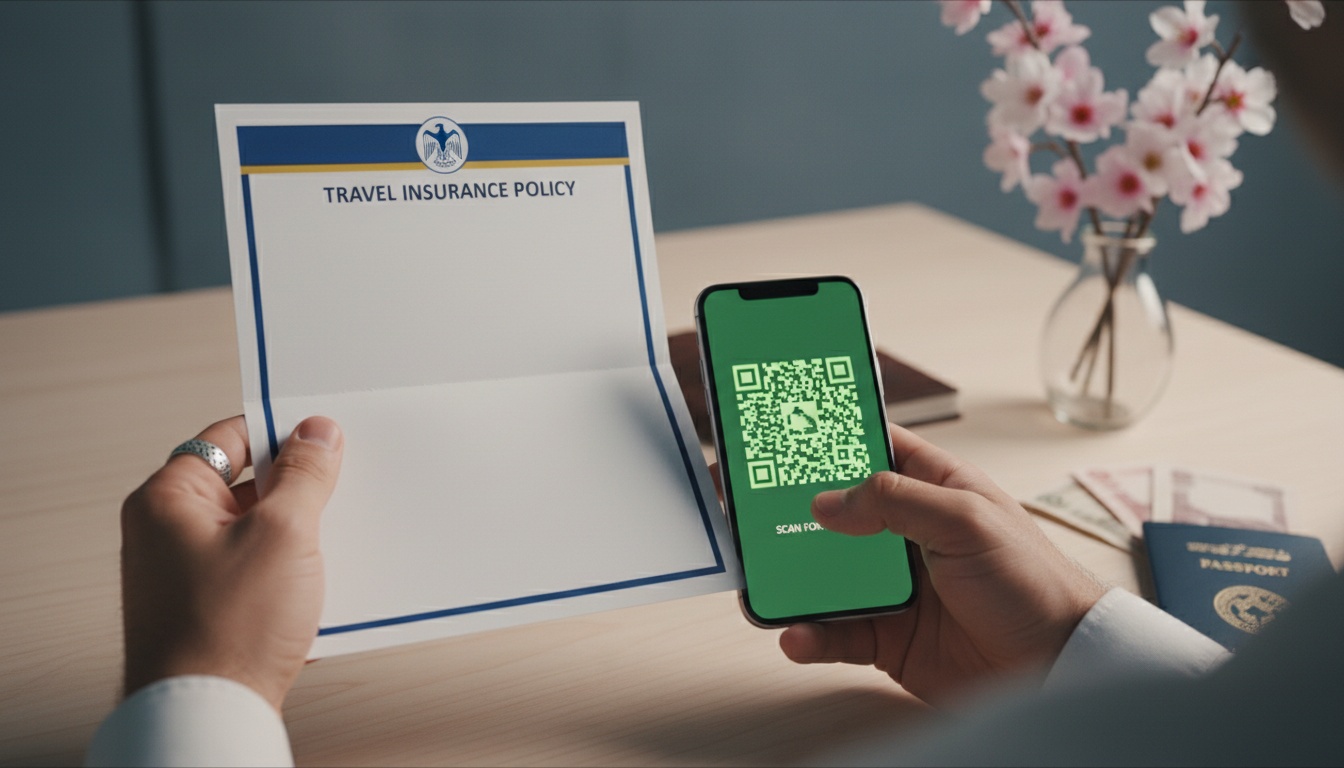
- Download a digital copy of your policy document to your phone
- Print a physical copy and, where possible, obtain a Japanese-language summary from your insurer
- Note your insurer's 24/7 emergency assistance number separately from the policy document
At the Airport and Border:
- UAE residents may be asked to demonstrate proof of travel insurance by Japanese immigration officials
- The Federal Authority for Identity, Citizenship, Customs and Port Security (icp.gov.ae) advises UAE nationals to carry all travel documentation in both digital and physical form
- Keep your policy number accessible — you may need to provide it before receiving treatment
At the Hospital:
- Present your insurance card or policy document immediately upon arrival
- Request an itemized bill in English for reimbursement claims
- Contact your insurer's assistance line before consenting to elective procedures
Get a Free Quote Now
Conclusion
Bottom line: Japan's 2026 medical screening policy and high tourist healthcare costs make travel insurance non-negotiable for UAE residents this Sakura season. An unpaid bill from a past visit can block your future entry, while a single emergency could cost tens of thousands of dirhams out-of-pocket. Secure a Worldwide travel insurance plan before departure, carry physical and digital documentation, and verify your coverage limits meet Japan's financial realities.
Short Summary: UAE tourists visiting Japan for Sakura 2026 face record medical costs and new entry rules — here's how travel insurance protects you.
Meta Description: Japan's 2026 medical entry rules and high costs demand UAE tourists buy Worldwide travel insurance. Learn what's covered and what's at risk.
Slug: japan-sakura-season-2026-medical-costs-uae-travel-insurance
Explore eSanad →
FAQ
Can unpaid medical bills in Japan result in a future visa ban for UAE residents?
Yes. Starting April 2026, Japanese immigration screens arriving tourists for records of unpaid medical debts from prior visits. UAE residents with outstanding bills on record may be refused entry or face additional scrutiny at the border.
Does my basic UAE health insurance cover me during the Sakura season in Japan?
Most employer-provided UAE health plans offer limited or no international coverage, especially for non-emergency treatments abroad. A dedicated Worldwide travel insurance policy is required to ensure full medical protection in Japan.
What is the minimum recommended medical coverage limit for Japan in 2026?
Insurance advisors generally recommend a minimum of USD 100,000 in medical coverage for Japan travel. Given that emergency evacuation alone can exceed AED 125,000, premium Worldwide plans with higher limits offer significantly better protection.
Is Worldwide travel insurance from the UAE valid for Japan's new 2026 entry rules?
Yes, provided your policy explicitly states "Worldwide" coverage and includes emergency medical expenses, hospitalization, and evacuation. Regional or GCC-only policies are not recognized by Japanese medical providers or immigration.
How do I prove insurance coverage to Japanese immigration officials upon arrival?
Carry both a printed copy and a digital copy of your full policy document. Include your policy number, insurer contact details, and coverage summary. Requesting a Japanese-language coverage letter from your insurer before departure is strongly recommended.
Editorial note: This article is for general information and does not constitute insurance advice. Always confirm terms with your insurer.