

Insurance
Chinese vs European Car Insurance Costs in UAE 2026
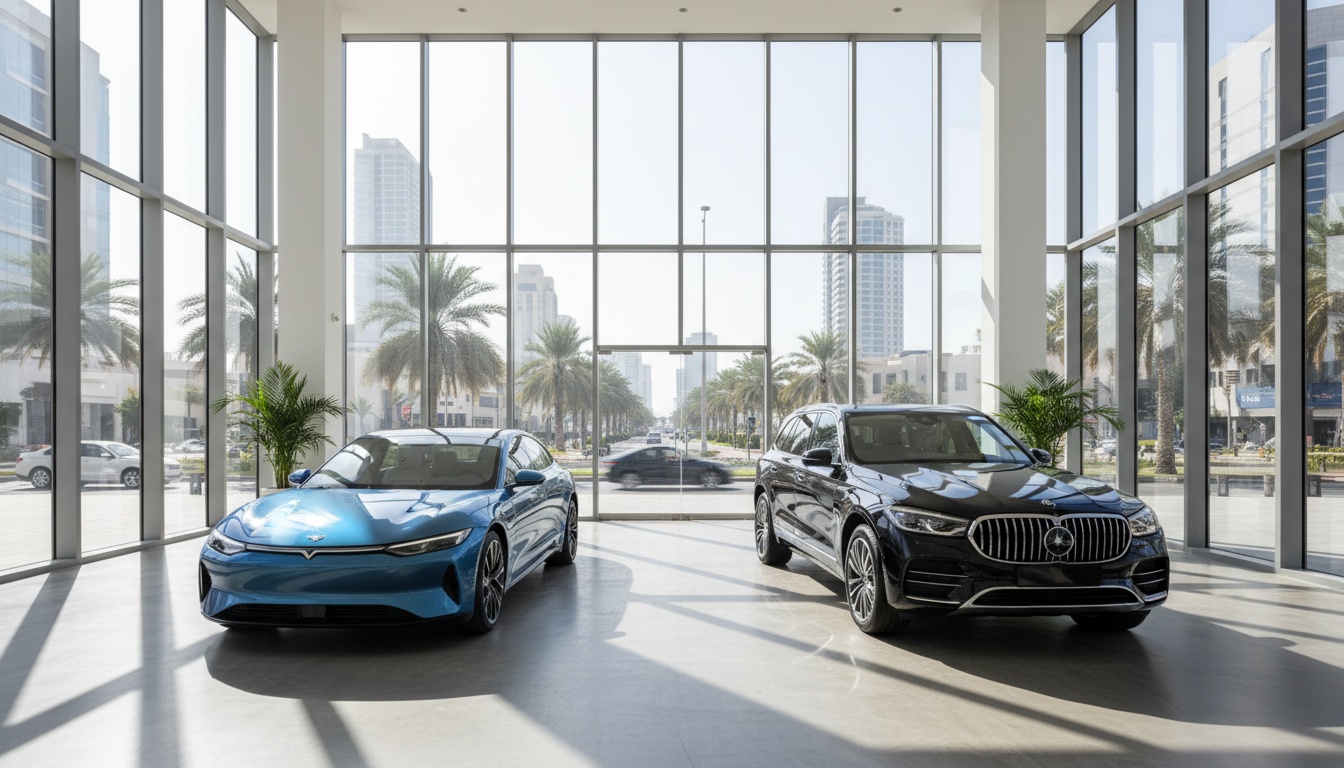
Choosing between a BYD, MG, or Geely versus a BMW, Mercedes, or Volkswagen involves more than the showroom sticker price. Your insurance premium — and the total cost of risk — can vary significantly depending on the brand. This guide breaks down motor insurance costs for Chinese and European vehicles in the UAE so you can make a fully informed decision before signing the purchase contract.
Understanding Motor Insurance Underwriting for New-to-Market Brands in the UAE
When UAE insurers price a motor policy, they rely on actuarial data — years of historical claims, repair costs, and parts availability. European brands like Mercedes and Volkswagen have operated in the region for over three decades, giving underwriters a reliable risk model. Chinese brands, despite explosive growth, are still building that data trail.
The UAE Central Bank regulates minimum motor premiums through its standard tariff framework, which means no Chinese car enjoys a "cheap" base rate simply because it has a lower purchase price. The tariff sets floors, and surcharges are applied on top based on brand risk scoring.
Key underwriting inputs insurers assess:
- Claims frequency — how often the model category generates repair claims
- Repair cost index — average workshop bill per incident
- Parts lead time — how quickly replacement components arrive in the UAE
- Resale depreciation rate — affecting total loss payout calculations
If you are considering a Chinese EV, reading the Electric Vehicle EV and Hybrid Insurance Guide gives useful context on how battery coverage interacts with standard motor policies in 2026.
2026 Premium Analysis: Chinese Brands vs. European Classics
The table below provides a practical 2026 snapshot of how key insurance variables compare across both segments in the UAE market.
2026 UAE Car Insurance Comparison: Chinese vs. European Models
| Comparison Factor | Chinese Brand (e.g., BYD/MG) | European Brand (e.g., VW/BMW) |
|---|---|---|
| Average Premium Rate (% of vehicle value) | 2.8% – 3.5% | 2.2% – 2.9% |
| Agency Repair Availability (Years) | 2–3 years standard | 4–5 years standard |
| Replacement Parts Lead Time | 7–21 days (improving with JAFZA hubs) | 2–5 days (established distribution) |
| EV Battery Specialist Coverage | Limited; tech surcharge applies | Broader network; fewer surcharges |
| Depreciation Rate (Year 1–3) | Higher (faster value drop) | Moderate and predictable |
A key 2026 development: Chinese spare parts distribution hubs opening in JAFZA are beginning to reduce lead times, which will gradually pull premiums downward. However, European brands still hold a structural advantage due to their decades-long presence across UAE authorized workshops.
Chinese EVs specifically carry what several insurers now describe as a "tech surcharge" — an additional loading applied when there are insufficient certified independent battery repair specialists in the UAE. This can add 0.3%–0.5% to the base premium rate.
Key Factors Driving the Cost Gap: Parts, Repairs, and Claims Data
Understanding the premium difference goes beyond brand prestige. Three operational realities shape the gap:
1. Parts Logistics European manufacturers like BMW and Volkswagen operate established regional parts warehouses, enabling next-day delivery for common components. Chinese OEMs are building this infrastructure, but sourcing delays still push workshop bills higher when claims occur — and insurers price that risk upfront.
2. Agency Repair Windows Most comprehensive motor policies in the UAE include agency repair for the first 2–5 years. European brands typically offer five-year agency repair terms through established dealer networks such as Al Futtaim and AW Rostamani. Chinese brands generally cap this at two to three years. After expiry, policyholders shift to non-agency repair, which can reduce market value — a factor worth reviewing in the Agency vs Non-Agency Repair guide for UAE buyers.
3. Historical Claims Data The Central Bank of the UAE motor tariff framework allows insurers to apply risk loadings based on brand claims history. European vehicles have 30+ years of UAE actuarial data, enabling competitive pricing. Chinese brands, particularly newer nameplates like Zeekr, carry "thin-file" risk loadings until sufficient local claims data accumulates.
Also consider how depreciation interacts with total loss payouts. Chinese vehicles depreciate faster in years one through three, meaning an insured declared value (IDV) can fall more sharply — reducing your payout if the car is written off. Reviewing how Chinese SUV resale values affect total loss payouts is essential before purchase.

Compare & Choose on eSanad
Insurance Checklist: What to Verify Before Buying in Dubai or Abu Dhabi
Use this checklist when comparing vehicles across both segments:
- Confirm GCC-spec certification — Non-GCC imports may be declined by UAE insurers or attract heavy surcharges
- Check agency repair duration — Ask the dealer exactly how many years agency repair applies under a comprehensive policy
- Request EV battery coverage terms — For Chinese EVs, ensure the policy explicitly covers battery replacement and thermal damage (relevant in UAE's extreme heat)
- Compare IDV depreciation schedules — Understand how fast the insured value drops annually for your chosen model
- Verify parts availability — Ask your insurer whether the brand's parts are stocked locally or require international shipping
- Confirm the Emirates Insurance Association classification of the model — some newer Chinese nameplates are still unrated
You can compare motor insurance plans on eSanad to view side-by-side quotes for both Chinese and European models across multiple UAE insurers in minutes.
Get a Free Quote Now
Conclusion
Bottom line: In 2026, Chinese cars are not automatically cheaper to insure than European vehicles in the UAE — and for EVs, they are often more expensive due to tech surcharges and limited battery repair networks. European brands benefit from established actuarial data, faster parts logistics, and longer agency repair terms that keep premiums competitive. As Chinese manufacturers expand their UAE infrastructure, the gap will narrow — but buyers today should factor the full cost of risk, not just the purchase price.
Short Summary: Compare 2026 UAE motor insurance premiums for Chinese brands like BYD and MG versus European cars like BMW and Mercedes before you buy.
Meta Description: Chinese vs European car insurance UAE 2026 — compare premiums, agency repair terms, and EV surcharges to find the best motor cover for your vehicle.
Slug: chinese-vs-european-car-insurance-uae-2026
FAQ
Why are some UAE insurers hesitant to cover certain Chinese car brands?
Insurers rely on historical claims data to price risk accurately. Newer Chinese brands lack sufficient UAE-specific actuarial records, making underwriters cautious. Limited local parts availability and fewer certified repair centres also contribute to insurer hesitancy.
Does a Chinese EV cost more to insure than a European petrol car in the UAE?
In most cases, yes. Chinese EVs attract a "tech surcharge" due to the shortage of certified battery repair specialists in the UAE. A comparable European petrol vehicle typically benefits from established repair networks and lower risk loadings.
How does the UAE Central Bank's motor tariff affect 2026 insurance prices?
The Central Bank of the UAE sets minimum premium floors for motor insurance, preventing any vehicle from being insured at artificially low rates regardless of purchase price. Insurers then apply brand-specific loadings above this floor.
Can I get agency repair for my MG or Geely after the first three years?
Standard comprehensive policies for most Chinese brands in the UAE include agency repair for two to three years. After this period, repairs default to non-agency workshops unless you purchase a policy endorsement specifically extending agency repair terms.
What is the impact of GCC-spec certification on Chinese car insurance premiums?
GCC-spec certified vehicles are recognized by UAE insurers and the RTA, enabling standard policy issuance. Non-GCC imports may be declined entirely or attract significant surcharges — sometimes 15–25% above the standard tariff rate.
Editorial note: This article is for general information and does not constitute insurance advice. Always confirm terms with your insurer.