

Travel Insurance
War Zone Travel Insurance Exclusions UAE 2026 Guide
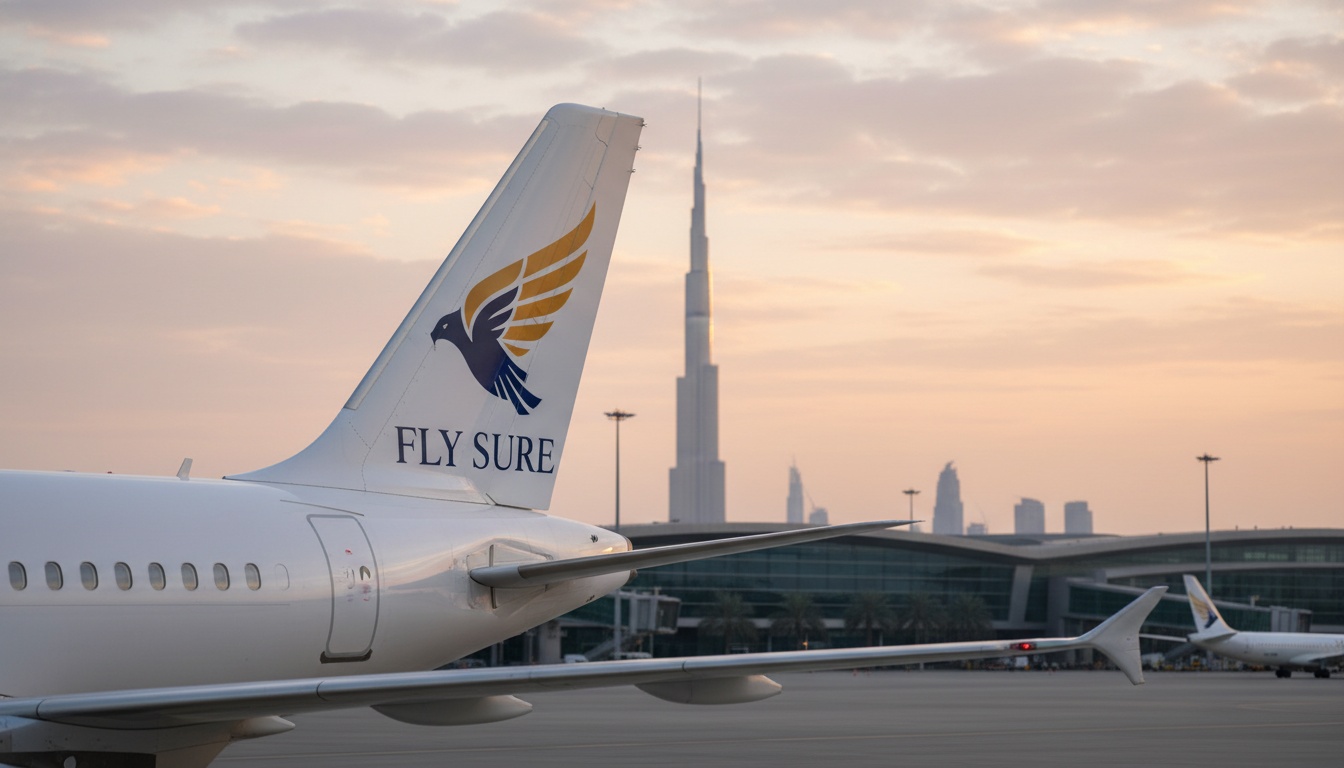
Planning international travel from the UAE in 2026 means navigating more than just flight prices and visas — regional tensions are reshaping what your travel insurance actually covers. Before you book that Umrah package, European getaway, or business trip, understanding how "Acts of War" exclusions work could save you thousands of dirhams. Explore your options at eSanad's travel insurance page before your next departure.
The Anatomy of a 'War Zone' Exclusion: What UAE Travelers Need to Know
Most UAE residents assume their travel insurance provides comprehensive protection wherever they go. The reality in 2026 is more complicated. Every standard policy contains exclusion language that can void your claim the moment a destination is classified as a conflict zone.
Key distinctions insurers apply in 2026:
- Acts of War: Formally declared or internationally recognized armed conflict between sovereign states. Claims arising directly from these events are almost universally excluded.
- Civil Commotion / Internal Unrest: Riots, protests, or localized violence within a country. Some policies offer limited cover here; many do not.
- Passive War Cover: Protection for travelers caught unexpectedly in crossfire — not those who traveled to an already-warned area.
- Active Participation Exclusion: Any traveler directly involved in a conflict forfeits all coverage entirely.
A critical 2026 development is the role of the UAE Ministry of Foreign Affairs (MoFA) travel advisories. Once MoFA issues a formal "Do Not Travel" warning for a destination, insurers treat that region as a Known Event. Coverage purchased after that advisory is issued will not apply to conflict-related claims — and in many cases, existing policies are voided for new bookings to that area.
For more on how government travel warnings interact with your policy, read Do Not Travel Warnings 2026: Is Your UAE Insurance Void?
Navigating Coverage Gaps: Trip Cancellations, Medical Evacuations, and Regional Hostilities
Understanding where your policy breaks down is as important as knowing what it covers. In 2026, the three most common claim rejections related to regional tensions fall into these categories:
1. Trip Cancellation Due to Civil Unrest Standard UAE policies typically cover cancellations caused by unforeseen events. However, once civil unrest becomes a "publicly disclosed risk" — meaning it's widely reported in news media — insurers classify it as a Known Event. Bookings made after this point carry no cancellation protection for conflict-related reasons.
2. Emergency Medical Treatment in Active Conflict Zones Emergency medical cover is suspended in areas under active hostilities. If you require hospital treatment in a zone where fighting is ongoing, your standard policy almost certainly will not pay out. Passive war cover — a specialized add-on — may reimburse treatment costs if you were caught unexpectedly, but strict conditions apply.
3. Emergency Political Evacuation Evacuation costs — whether by air ambulance or organized government airlift — are rarely covered under standard plans. The UAE's Federal Authority for Identity, Citizenship, Customs and Port Security (ICP) coordinates repatriation in extreme scenarios, but the financial cost of private evacuation can reach tens of thousands of dirhams without specialist coverage.
A particularly relevant 2026 concern involves Hajj and Umrah travelers. Regional volatility directly affects these routes. UAE residents planning pilgrimage travel should review Saudi Mandatory 90-Day Umrah Insurance 2026: Guide for UAE Expats to understand how conflict exclusions interact with mandatory pilgrimage insurance requirements.
For Schengen-bound travelers, note that visa-linked insurance has its own compliance layer — see Schengen Visa 2026: Zero Deductible Insurance Rule UAE for how these requirements interact with conflict exclusions.
Standard vs. Specialized Policies: Comparing War-Risk Extensions in the UAE Market
Coverage Comparison: Standard Travel Insurance vs. High-Risk Zone Extensions
| Feature | Standard UAE Travel Policy | Specialized War-Risk / High-Risk Cover |
|---|---|---|
| Emergency Medical Abroad (Active War Zone) | ❌ Excluded | ✅ Covered (passive war terms) |
| Trip Cancellation due to Civil Unrest | ❌ Excluded if Known Event | ✅ Broader coverage with earlier cutoffs |
| Emergency Political Evacuation Costs | ❌ Not included | ✅ Covered up to specified limit |
| "Cancel for Any Reason" (CFAR) Option | ⚠️ Rarely available in UAE market | ⚠️ Limited availability, strict eligibility |
| Airspace Closure / Flight Disruption | ⚠️ Airline delay only | ✅ Broader disruption cover |
The UAE insurance market, regulated by the Central Bank of the UAE, does not mandate war-risk extensions in standard travel products. Specialized high-risk zone policies exist but must be purchased proactively — often at the time of initial policy issuance, not after a crisis begins.
It is also worth noting that "Terrorism" and "War" are treated as distinct perils in most UAE contracts. Terrorism-related incidents may carry limited cover under some standard policies, while declared war scenarios do not. Always request policy wording in writing before purchasing.

Compare & Choose on eSanad
Risk Mitigation Checklist: Protecting Your Investment Before Booking 2026 Travel
Use this checklist before confirming any international booking in 2026:
- Check MoFA advisories first. Visit mofa.gov.ae before purchasing any policy. A current advisory changes your coverage eligibility immediately.
- Buy insurance before a Known Event. Purchase your policy as early as possible — ideally the same day you book travel.
- Request the exact exclusion wording. Ask your insurer for the precise definition of "Act of War," "Civil Commotion," and "Known Event" in your specific contract.
- Ask about passive war cover add-ons. Not all UAE insurers offer this, but eSanad's travel insurance platform allows you to compare plans that include broader conflict protections.
- Review evacuation limits. Confirm your policy's maximum evacuation benefit and whether it covers politically motivated evacuations or only medical ones.
- Protect non-refundable bookings separately. For high-value trips, consider how cancellation cover interacts with your booking terms. Read Eid Al Fitr 2026: Protecting Non-Refundable Travel Bookings for practical strategies.
- Verify cruise and maritime route coverage. 2026 maritime route disruptions have specific implications — check Dubai Cruise Missed Departure Insurance Clause 2026 Guide for relevant guidance.
Get a Free Quote Now
Conclusion
Bottom line: In 2026, the line between a "travel disruption" and an "excluded war event" is defined by Known Event cutoff dates, MoFA advisories, and the specific wording in your policy — not by how dangerous a destination feels. UAE travelers must act before a crisis becomes public knowledge, choose policies with passive war cover where available, and verify evacuation limits for every high-risk itinerary. Visit eSanad to compare, buy, and manage your travel insurance — all in one place.
Short Summary: War zone exclusions in UAE travel insurance explained for 2026 — including Known Event rules, passive war cover, and evacuation limits.
Meta Description: Understand war zone travel insurance exclusions in UAE 2026. Learn the Known Event rule, passive war cover, and how to protect your trip before tensions escalate.
Slug: war-zone-travel-insurance-exclusions-uae-2026
Explore eSanad →
FAQ
Does my Schengen visa travel insurance cover me if a conflict starts during my trip?
If the conflict was not a Known Event when you purchased your policy, you may have limited cover for emergency medical treatment under passive war clauses. However, trip curtailment and evacuation are rarely included in standard Schengen-compliant plans — check your policy wording carefully.
What is the "Known Event" rule in UAE travel insurance policies?
The Known Event rule means that once a conflict or civil unrest is publicly reported or officially acknowledged, insurers classify it as a foreseeable risk. Any policy purchased after this point will not cover losses directly linked to that event, regardless of when your travel actually occurs.
Will I be covered for emergency evacuation if regional tensions escalate in 2026?
Standard UAE travel policies generally do not include political evacuation cover. You need a specialized war-risk or high-risk zone extension to access evacuation benefits. Confirm the maximum benefit limit and whether it covers both medical and politically motivated evacuations.
Is "Terrorism" treated differently than "War" in standard UAE insurance contracts?
Yes. Most UAE policies treat terrorism and war as separate perils. Some standard plans include limited terrorism cover, particularly for emergency medical treatment, while acts of declared or internationally recognized war are almost universally excluded from all claim types.
Can I buy a war-risk add-on as a UAE resident after booking my trip?
In most cases, war-risk extensions must be purchased at the time of your initial policy issuance — not after a conflict has begun or been reported. Once an event becomes publicly known, insurers will not extend cover for it. Purchase your policy and any add-ons as early as possible after booking.
Editorial note: This article is for general information and does not constitute insurance advice. Always confirm terms with your insurer.